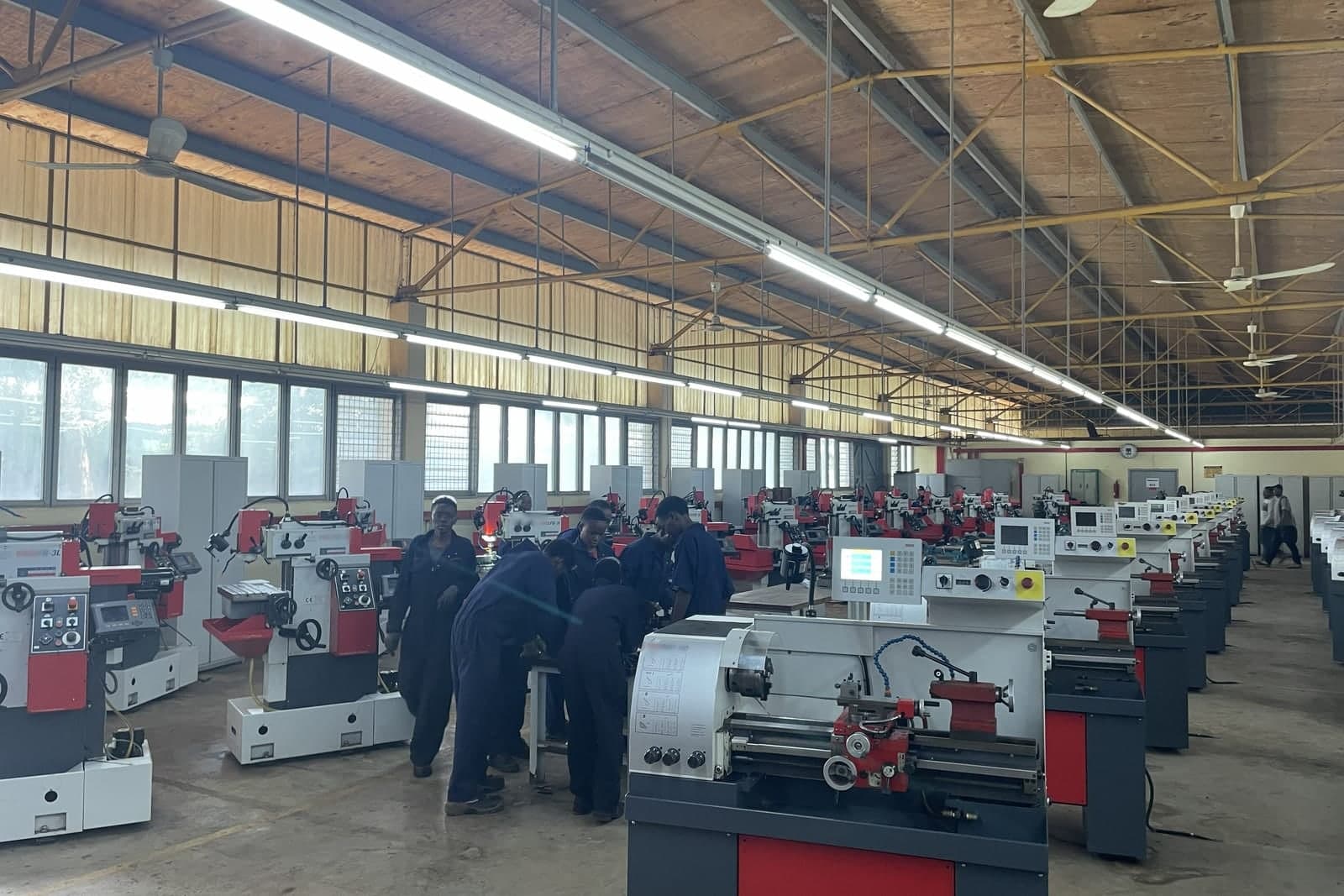
AI for manufacturers in Kansas City helps most in the office around the shop floor: turning quote requests into ready-to-price drafts, keying purchase orders into your system, keeping maintenance logs current, and chasing suppliers for ship dates. The machines and the people who run them stay exactly where they are. The paperwork that slows them down is what gets lighter.
This guide walks through four places where small and mid-sized plants often have the most repeat work, what an AI agent does in each one, and what always stays with a person.
Where does AI for manufacturers in Kansas City fit best?
AI fits best in the office around the shop floor, where quotes, order entry, maintenance logs and supplier follow-up pile up. Many plants across the metro, from the industrial parks in Olathe and Lenexa to shops on the Missouri side, share the same pattern. The floor runs well, and the office is buried.
Quotes sit for days because the estimator is also the buyer. Orders arrive as PDFs, emails and phone notes, and someone types each one in. Maintenance notes live on a clipboard. Supplier follow-up happens when someone remembers.
None of that needs a new machine. It needs the repeat steps taken off the people who already know the work. That is what an agent is for. We build agents to take repeat work off your people, not to take their place. Staffing is always your call. If the word is new to you, start with what an AI agent is.
How can AI speed up quote requests?
A quote request usually arrives as an email with a drawing, a part count and a due date. Before anyone can price it, someone has to read it, pull the material spec, check whether you have made something like it before, and list what is missing.
An agent can do that first pass:
- Read the request and the attached drawing notes.
- Pull the closest past jobs from your records so the estimator sees what you charged and how long it ran.
- List the missing details, such as tolerance, finish or quantity breaks, and draft a polite question back to the buyer.
- Build a quote draft in your format with the fields filled in.
The estimator then prices it, adjusts it and sends it. The price is always a person's call. The agent never sends a number to a customer on its own. What changes is that the estimator starts from a clean draft instead of a blank page. Our guide to job shop quoting software walks through the RFQ inbox step by step.
Can AI handle order entry?
Yes, and this is a common first step. Purchase orders come in every shape. An agent reads each one, matches the part numbers to your item list, checks the quantities and dates against what the customer usually orders, and keys a draft order into the system you already use.
Anything odd gets flagged instead of entered: a part number you do not recognize, a price that does not match the last quote, a ship date that is tighter than your normal lead time. A person reviews the flagged orders and approves the rest in a batch. That can give your team time back each week and help keep typos off the floor.
What about maintenance logs?
Maintenance records matter for safety, for audits and for knowing when a machine is about to cost you a week. They are also the first thing to slip when the shop is busy. An agent turns a tech's quick notes into clean log entries and reminds the right person before a service comes due.
An agent can keep the log current without adding work for your techs:
- A tech sends a short text or voice note after a job: which machine, what was done, what parts were used.
- The agent turns it into a clean log entry in your maintenance sheet or system.
- It tracks the schedule and reminds the right person before a service comes due.
- It drafts a parts order when stock for a common wear item runs low, for a person to approve.
The agent does not decide whether a machine is safe to run. That stays with your maintenance lead. For outside help, OSHA's On-Site Consultation Program (opens in a new tab) gives smaller businesses free, confidential help finding and fixing workplace hazards. The agent just makes sure the record is complete and the reminder shows up on time.
How does AI help with supplier emails?
Supplier follow-up is classic repeat work. Did the steel ship? When does the coating vendor expect the batch back? Why is the invoice different from the PO? Our guide to expediting purchase orders covers the full follow-up cycle. An agent watches open orders, sends polite check-ins and warns your buyer when a delivery date slips.
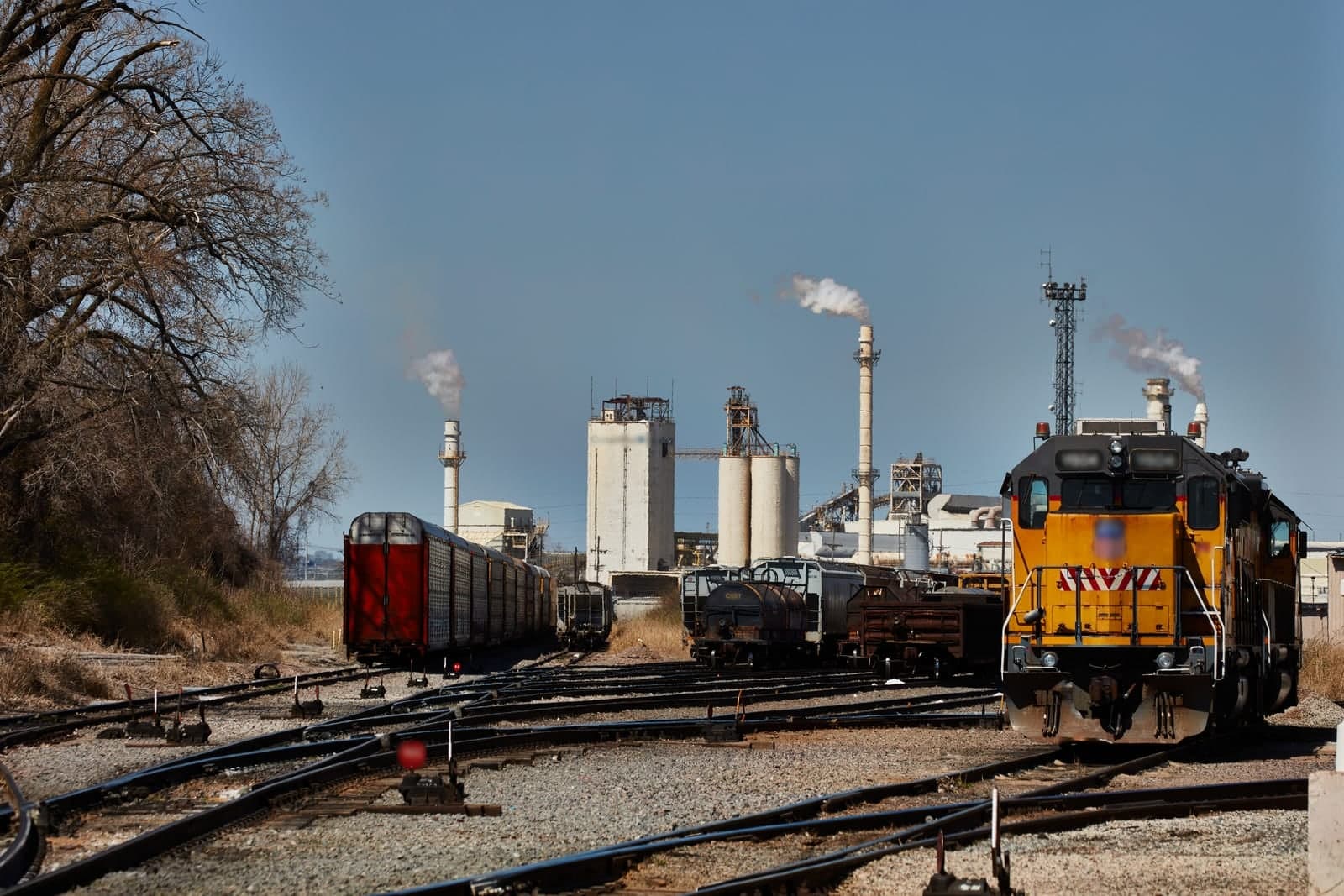
An agent can watch open purchase orders, send polite check-ins before a due date, log the replies, and warn your buyer when a delivery date slips in a way that affects a customer order. It can also compare supplier invoices to the PO and receiving notes and flag any mismatch for your bookkeeper. Kansas City sits on major rail and trucking routes, so many plants here deal with a long list of carriers and vendors. Keeping that list current is exactly the kind of steady, boring work an agent does well.
Our Ops Agent and Finance Agent cover most of this. A person still approves every payment and every change to a supplier relationship.
What stays human in a manufacturing shop?
The line is simple. People own anything that involves judgment, money or safety, from customer prices and delivery promises to payments, supplier terms, lockout decisions and quality holds. Customer complaints, hiring and anything legal stay human too, and the agent only prepares the facts each decision needs.
- Prices and quotes sent to customers.
- Promises about delivery dates.
- Payments and supplier terms.
- Safety calls and lockout decisions.
- Quality holds and customer complaints.
- Hiring and anything legal.
Agents absorb the steps around those decisions so your people can spend more time on them. Same team. Same jobs. More capacity.
How do we start without disrupting production?
Start with one workflow, usually order entry or quote intake, because the time spent is easy to see. We map how that work moves today, write a plan you approve, and build it inside the tools you already use. The SBA's guidance on AI (opens in a new tab) also suggests starting small, with a person checking what AI writes.
Before launch, inspector agents and separate AI security agents try to break it. You can read the full process on how we work.
If your systems are older or do not talk to each other, that is common in manufacturing. Sometimes a small connector is all it takes. Sometimes a custom tool makes more sense. Our Solutions page lays out the range, from a single fix to a full platform, and our guide to AI for small business covers the ready agents that sit alongside those builds. For a plant that runs several sites, see software for multi-location businesses.
More guides for manufacturers
- Job Shop Quoting Software: RFQs to Ready-to-Price Drafts: RFQ emails turned into drafts your estimator prices.
- Expediting Purchase Orders Without Chasing Every Supplier: ship dates asked for before the need date.
Frequently asked questions
How can AI help manufacturing?
In the office around the shop floor: turning quote requests into drafts, keying orders, keeping maintenance logs current and sorting supplier emails. Your people keep every decision on price, schedule and quality.
How are manufacturing companies using AI?
Many start with quote requests or order entry, because both are repeat work with clear rules. A person checks the output until it earns trust, then the next workflow follows.
Will AI change how my machines run?
No. The agents we build work in the office side of the business: email, orders, logs and schedules. They do not control equipment. Safety calls and lockout decisions stay with your maintenance lead and your people on the floor.
Is our part and customer data safe?
Your data is never sold and is shared only with the services that run your agents, and nothing you give us is used to train AI models. Each agent gets only the access its job needs, the least privilege principle NIST describes (opens in a new tab), and the agents are built so each action is logged in a record that shows any later edit. Our Security page lists the full set of practices.
Do we need a new ERP first?
Usually not. Agents work inside the systems you already have. If something is missing, we talk about it in the consult. Many plants run older systems, and a small connector is often all it takes.
Next step
Book a free workflow consult. We walk through how quotes, orders and upkeep move through your plant today, show you where the time goes, and give you a plain-English plan.
About the ScaleAlphaAi team
We are a Kansas City company that designs and builds AI agents and custom software for small businesses, trades and growing firms. We write these guides from our work with owners and office teams: what AI handles well, what stays with your people, and how to start with one workflow.
Meet the team