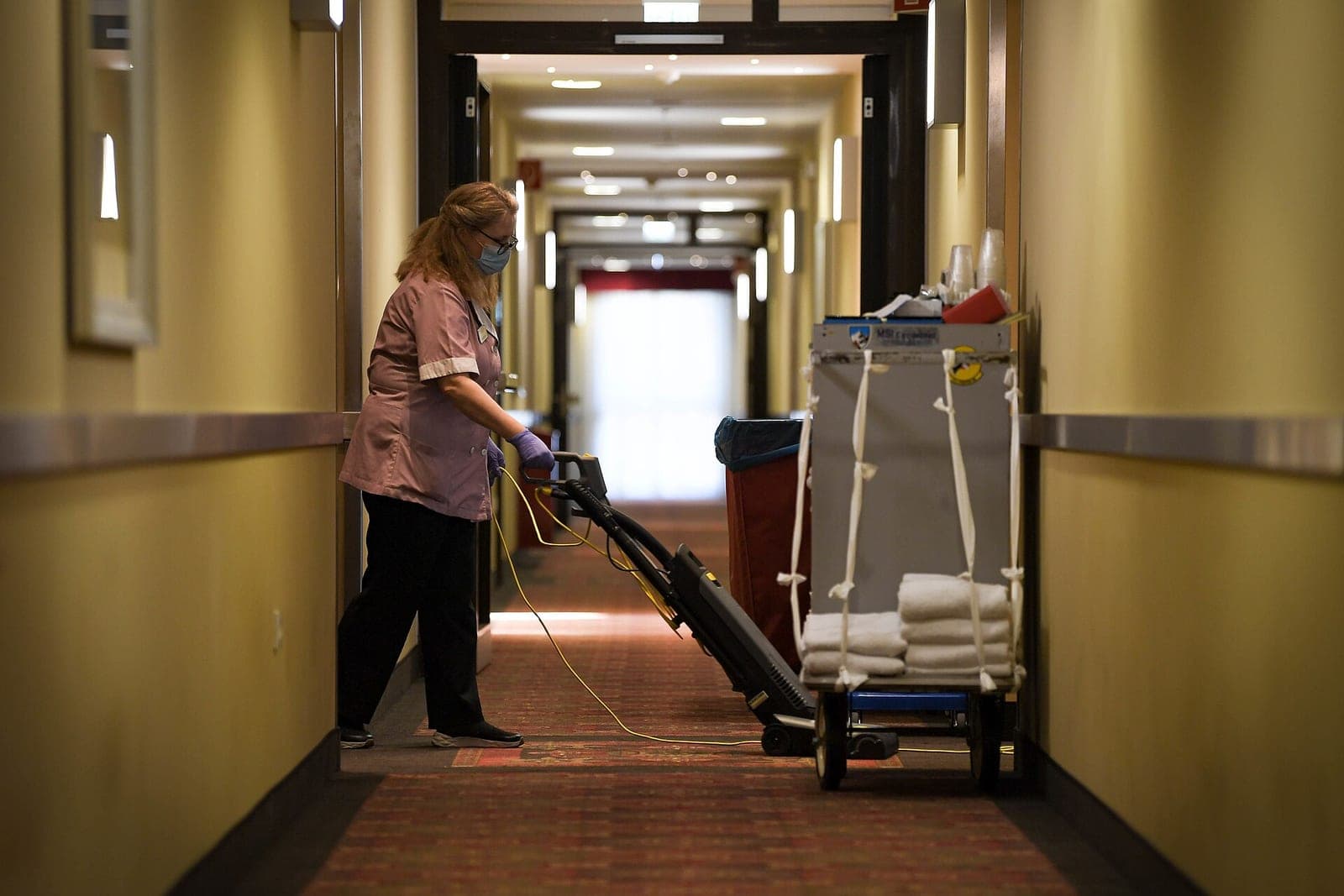
House cleaning reviews come easiest from clients who already trust you, so the best time to ask is after the second or third clean, once the routine is set and they have seen the same good work twice. Ask every client the same way, in a short, warm message with one link and never with photos from inside their home.
This post is for owners of house cleaning and maid service companies who know reviews matter but feel awkward asking people who hand over a key. It covers timing, wording, replies, privacy and what to do when a review is unhappy. For a wider look at where AI fits a cleaning business, see our post on AI for cleaning companies.
Why are house cleaning reviews different from other trades?
Because you are not fixing a pipe and leaving. Your team is in the client's bedroom every other week, sometimes when nobody is home, and trust is the whole product. Clients read reviews for trust as much as quality, the first deep clean is a poor time to ask, and privacy shapes every photo and reply.
That changes a few things about asking:
- People read reviews for trust, not just quality. "They're honest, they're careful with our things" matters as much as "the floors shine."
- The first clean is a poor time to ask. The first visit is often a deep clean, with longer hours and a learning curve. The client is still deciding.
- Privacy is part of the job. A photo of a sparkling kitchen is still a photo of someone's home.
- Your cleaners are known by name. Clients often mention them, which brings its own choices.
When should a cleaning company ask for a review?
After the routine clicks, usually after the second or third regular clean. By then the client knows what to expect and has seen it delivered more than once. Ask every recurring client at that point, send a single reminder later if needed, and then stop.
Good moments to ask:
- After the second or third recurring visit, for every recurring client.
- After a one-time deep clean or move-out, a day later, once they have walked through the space.
- Once. If they do not leave one, a single reminder later is plenty. Then stop.
Every customer gets the same review request on the same schedule. The FTC's guidance on asking for reviews (opens in a new tab) tells businesses not to ask only the customers they expect to be happy. If someone raises a problem, a person handles it, and the request still goes out as normal.
We can set up the Marketing Agent to handle this for a cleaning company: send the same short review request to every client after the second or third clean, under your company's name, and draft replies to new reviews for you to approve. It is one of the six Starter Upgrades, and it works fine on its own.

What should a review request say?
Keep it short, personal and easy. The best requests read like a quick note from the business, because the owner wrote the template. A thank-you that mentions their regular day, one sentence on why reviews help, one link and a line inviting a reply if anything was not right is enough.
A simple shape that works:
- A thank-you that mentions something real, like their regular day.
- One sentence on why reviews help a small local business.
- One link to your map listing or website.
- A line saying that if anything was not right, they can reply and the owner will look into it.
A sample: "Thanks for choosing us. We'd love an honest review: {link}. You're texting our AI assistant."
That last line in the shape tells every client how to reach you, and the review link goes out to everyone the same way. Asking for customer reviews this way feels like a favor between people who know each other, not a marketing blast. Only text people who contacted you or gave you permission, and make opting out easy.
How does a cleaning company get more reviews without being pushy?
Ask more people at the right moment, and make it one tap. Most clients who never leave a review simply never got asked at a good time. Ask every eligible client, not only the ones you think love you, never offer a reward and never ask for five stars.
Owners who search "how to get more reviews" usually need a few steady habits, not tricks:
- Ask every eligible client, not only the ones you think love you. The rules decide, not mood.
- Make the link go straight to the review box.
- Mention it in person. A cleaner who says "we'd love an honest review" makes the text land better.
- Never offer discounts, gifts or credits for reviews. Most review sites forbid it, the FTC's rule on consumer reviews (opens in a new tab) limits it, and it makes honest reviews look bought.
- Never ask for five stars. Ask for an honest review.
- Track who was asked, so nobody gets a second request a week later.
Replies, names and photos
A thoughtful reply shows the next reader how you treat people. The AI can draft each one; you approve before it posts. Thank the reviewer warmly, never confirm details about the home, and post photos only with written permission. Our guide to AI review management shows how that approval step works.
- Thank them warmly, and mention the detail they mentioned.
- Naming the team is your call. Some owners like to credit "Maria and Jen." Others keep cleaner names private for safety and to avoid trouble if a cleaner leaves. Set the rule once.
- Never confirm details about the home. No street, no "your three-bedroom," no mention of pets or schedules.
- Photos only with permission. Before-and-after shots from inside a client's home go out only when the client said yes in writing, with anything personal out of frame.
What happens when a client is unhappy?
The owner handles it, every time. A missed spot, a broken vase or a cleaner who was late goes straight to you, with the job details and the cleaner's notes. The AI never offers a re-clean, refund or credit, and that client still gets the usual review request on schedule.
What the AI does and does not do:
- It does not hold back the review request. That client gets the same request on the same schedule as everyone else, while a person handles the problem.
- It alerts you with the message and the visit history.
- It never offers a re-clean, refund or credit. You decide any of those.
- For a negative public review, it drafts a calm reply for you to edit. You decide what to say.
- Damage claims and anything about safety or a lost key go to you right away.
Same team. Same jobs. More capacity. You still own every hard conversation. The AI makes sure the easy ones happen on time.
This is an illustration, not a customer story. A couple starts biweekly cleaning. The first visit is a deep clean. No review request goes out. The second visit goes well. After the third, the AI sends the same short request every client gets, with one link. The client leaves a warm review mentioning the team. The AI drafts a reply that thanks them by first name and skips the cleaner names, per the owner's rule. The owner approves it. A week later another client reports a chipped mug. The AI sends the note to the owner, who calls the client the same day. That client's review request still goes out on the usual schedule.
Frequently asked questions
Should we ask for a review after the first clean?
Usually not. The first visit is often longer and more intense, and the client is still forming a view. Waiting for the second or third clean tends to bring warmer, more detailed reviews.
Can the AI post replies by itself?
No. A person approves every reply. The AI drafts, and nothing posts until you approve it. The SBA's guidance on AI (opens in a new tab) suggests having a person check every message and outreach campaign that AI writes.
Can we use photos from clients' homes in our marketing?
Only with the client's written permission, and with anything personal out of frame. Many cleaning owners skip inside photos and post team or supply photos instead.
Does this tie into our invoicing?
It can. The same job record that marks a clean as done can trigger the invoice and, when the time is right, the review request. Our post on the cleaning business invoice covers the billing side.
Next step
If reviews only come in when you remember to ask, book a free workflow consult. We will look at how your recurring clients are tracked, when visits are marked done, how complaints reach you now, and what your rules are for naming cleaners and using photos. We are a Kansas City metro team and can meet over coffee or on a video call.
About the ScaleAlphaAi team
We are a Kansas City company that designs and builds AI agents and custom software for small businesses, trades and growing firms. We write these guides from our work with owners and office teams: what AI handles well, what stays with your people, and how to start with one workflow.
Meet the team