HVAC quote software should let your comfort advisor or tech leave the house with a clean set of new system options on its way to the homeowner, the same day, not three days later. The best setups pull in the photos and notes from the visit, lay out good, better and best choices in plain words, and keep a patient follow-up going when the homeowner wants to think it over. People still do the load calculation and set every price.
This post is for owners of residential HVAC companies who sell new systems after a failed repair or a comfort visit. It covers what goes in a system quote, why speed matters, and what a quoting system built around your shop looks like. If quotes already go out fast but stall afterward, our post on quote follow-up automation goes deeper on that part.
Where HVAC quotes get stuck
A new system quote usually starts in one of two ways. A tech finds a cracked heat exchanger or a dead compressor on a repair call, or a homeowner books a comfort visit because one room is always hot. Either way, the person in the house knows a lot by the end of the visit.
Then the trouble starts. The notes are on a phone, the photos are in a camera roll, and the price sheet is in the office. The advisor types the proposal that night, or the next morning, or after the weekend. Meanwhile, the homeowner has called two other companies. When the weather is mild, nobody feels rushed, so the quote drifts.
What should HVAC quote software include in a system quote?
A good system quote shows the homeowner what they have, what you recommend and what each choice means for them. It should be easy to read on a phone and match what the advisor said at the kitchen table. Most add photos, plain-words findings, two or three options and a note that sizing came from a load calculation.
Most strong HVAC quotes include:
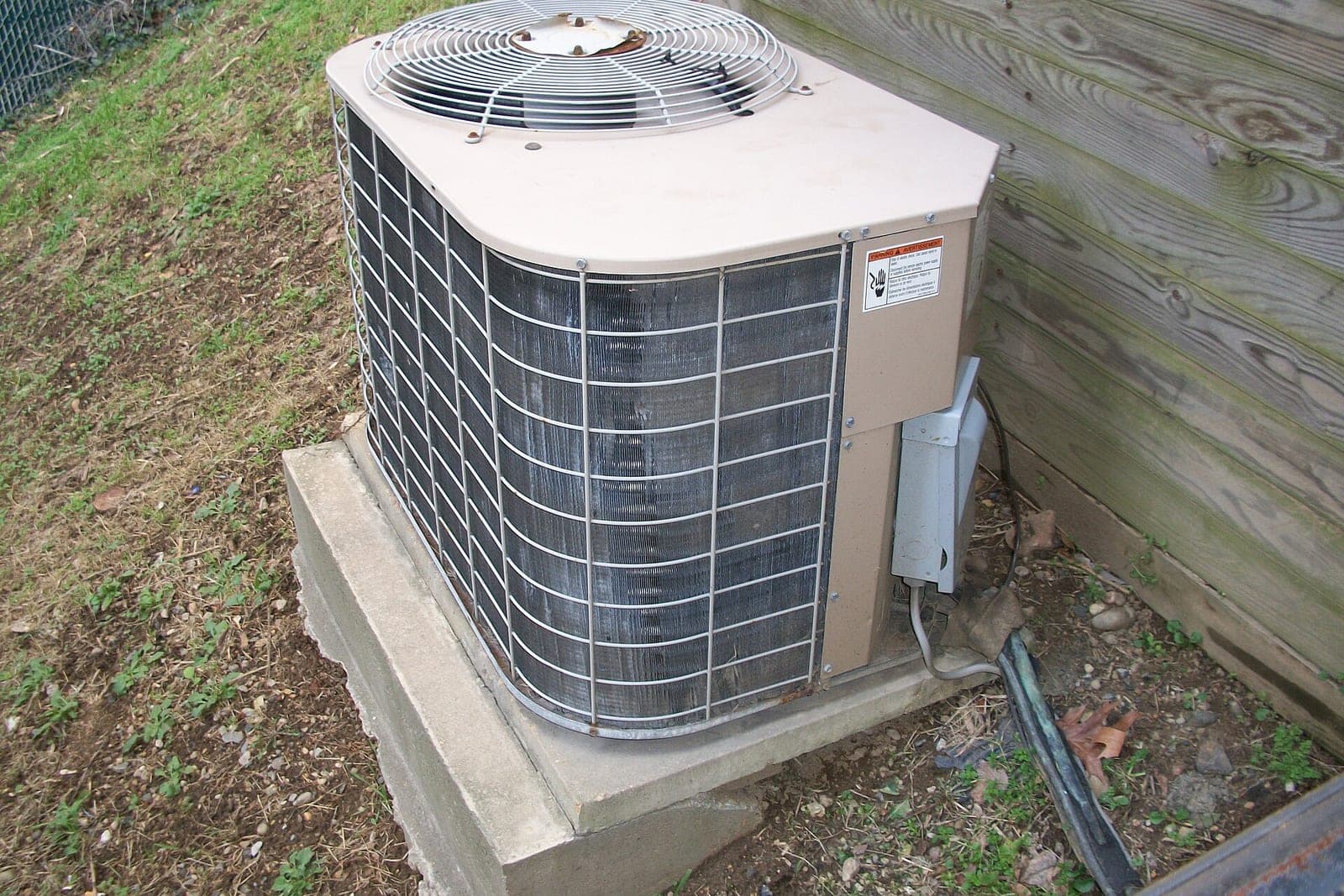
- Photos of the existing equipment. The furnace, the outdoor unit, the data plate, any rust, leaks or damage the tech found.
- What you found, in plain words. "The heat exchanger has a crack, so we shut the furnace off for safety." Not a wall of codes.
- Two or three new system options. Each one described by what it does for the home: quieter, more even temperatures, better humidity control, a longer parts warranty. No efficiency numbers the homeowner has to decode.
- What is included. Removal of the old equipment, new thermostat, permit, line set, pad, haul-away, start-up check.
- Load calculation note. A line saying the system size comes from the load calculation your tech or comfort advisor did. The software never sizes equipment.
- Next steps and how to say yes. A simple way to accept online or call the office.
Prices and any discount come from your people and your price book. The software only puts them where they belong.

Can homeowners get an HVAC quote online?
Yes, but a real system quote still needs a visit. Online forms work well for collecting the first details and booking that visit, not for pricing a system sight unseen. A good intake page asks the system's age, what is wrong, the home's size and for a couple of photos, then offers a visit time.
A homeowner searching for an HVAC quote online wants to know where to start. Our post on HVAC booking software covers that front end. After the visit, the same customer record carries straight into the quote.
Rebates and financing questions go to people
Homeowners often ask about utility rebates, tax credits and monthly payments before they decide. Those answers depend on rules and lender terms that change, so a person handles them. The quote can show a clear line inviting those questions and route them to the right staff member.
Homeowner financing stays between your office and your lender. If you are wondering how to pay for a quoting build itself, our Financing page and our post on financing for contractors explain that side.
The software never promises a rebate amount, a tax outcome or a loan approval.
Follow-up when the homeowner wants to think about it
"We will think about it" is common, especially in spring and fall when the house is comfortable. That is not a no. A patient, polite follow-up keeps your quote in front of them without pressure. A recap the next day, a check-in after a week and a seasonal note before the weather turns usually cover it.
AI can draft each message from the visit notes so it reads like your company, not a template. A person reviews the plan for these messages, and they go out under your company's name. Anything the homeowner asks about price, timing or warranty goes to a person. Only text people who contacted you or gave you permission, and make opting out easy.
Is estimating software for HVAC enough on its own?
Often it is not, because the hard part is not the math. Most estimating software for HVAC can build a price from a price book, but it rarely fits how your advisors actually sell or how your office follows up.
A packaged tool bends your sales process to fit its screens. A build bends to fit your process. On our Solutions page, a quoting and proposal engine sits in Tier 4: we would build a system that pulls your advisor's photos and notes into a branded proposal, lays out your system options from your own price book, sends it for e-signature and turns it into a job when accepted. It ties into your dispatch and accounting software, while AI drafts the write-ups and follow-ups and your team decides every price and promise.
Your data and logins stay yours. Each part gets only the access its job needs, and it is built so each action is logged. NIST's least privilege principle (opens in a new tab) is the same idea, giving each user or system only the minimum access it needs to do its job.
What stays with your people
Your people keep the sizing, the money and the safety calls. The load calculation and equipment size, every price, discount, rebate answer and financing term, and any promise about install dates or warranties come from a person. A gas smell gets one instruction, to leave the building and call 911 from outside.
- The load calculation and the choice of equipment size.
- Every price, discount, rebate answer and financing term.
- Promises about install dates and warranties.
- Safety calls, like a cracked heat exchanger or a gas smell. If a homeowner reports a gas smell, the only instruction they get is to leave the building first and call 911 from outside, and your on-call person is alerted at once. Federal pipeline safety guidance (opens in a new tab) says anyone who suspects a gas leak should leave the area on foot right away and call 911 from a safe place.
- The kitchen-table conversation itself.
Same team. Same jobs. More capacity.
One quote, start to finish
This is an illustration, not a customer story.
On a mild April afternoon, a tech finds a failed compressor on an aging system. He takes photos of the outdoor unit, the data plate and the air handler, notes the home's layout, and books a comfort advisor for the next morning. The advisor does the load calculation, talks through comfort issues with the homeowner and picks three options from the price book.
Before she reaches her next stop, the system drafts the proposal with her photos and notes. She checks it, adjusts one line and sends it. The homeowner says they will think about it. The follow-ups go out on the schedule the owner set, and when the homeowner asks about financing, the office calls back that day. They sign the following week.
Frequently asked questions
How fast should an HVAC quote go out?
Ideally the same day as the visit, while the conversation is fresh. Speed matters most when the system has failed and the house is uncomfortable.
Can the software size the new system?
No. Sizing comes from a load calculation done by your tech or comfort advisor. The software only records the result. If the homeowner asks why a size was chosen, the advisor explains it.
Can we keep using our current price book?
Usually, yes. A build can read your existing price book and keep it as the single source for every quote. When you change a price there, every new quote picks it up, and nobody retypes prices by hand.
Will homeowners be able to sign online?
Yes. Accepting a proposal and signing online is a common part of a quoting build, and your office sees it the moment it happens. Under the federal E-SIGN Act (opens in a new tab), a signature or contract generally can't be denied legal effect just because it is electronic.
What is the best HVAC quote software for small business?
The best one lets your comfort advisor send clear system options the same day, with photos and notes from the visit. Look for good, better and best options built from your own price book, follow-up on quotes that go quiet, and a link to your CRM and calendar.
Next step
If your system quotes take days to go out, book a free workflow consult. We are a Kansas City metro company; we can meet at your office or over video, whichever suits your season. We would walk through a recent quote from visit to signature, see where it slowed down, and show which build on our Solutions page would fit your shop.
About the ScaleAlphaAi team
We are a Kansas City company that designs and builds AI agents and custom software for small businesses, trades and growing firms. We write these guides from our work with owners and office teams: what AI handles well, what stays with your people, and how to start with one workflow.
Meet the team