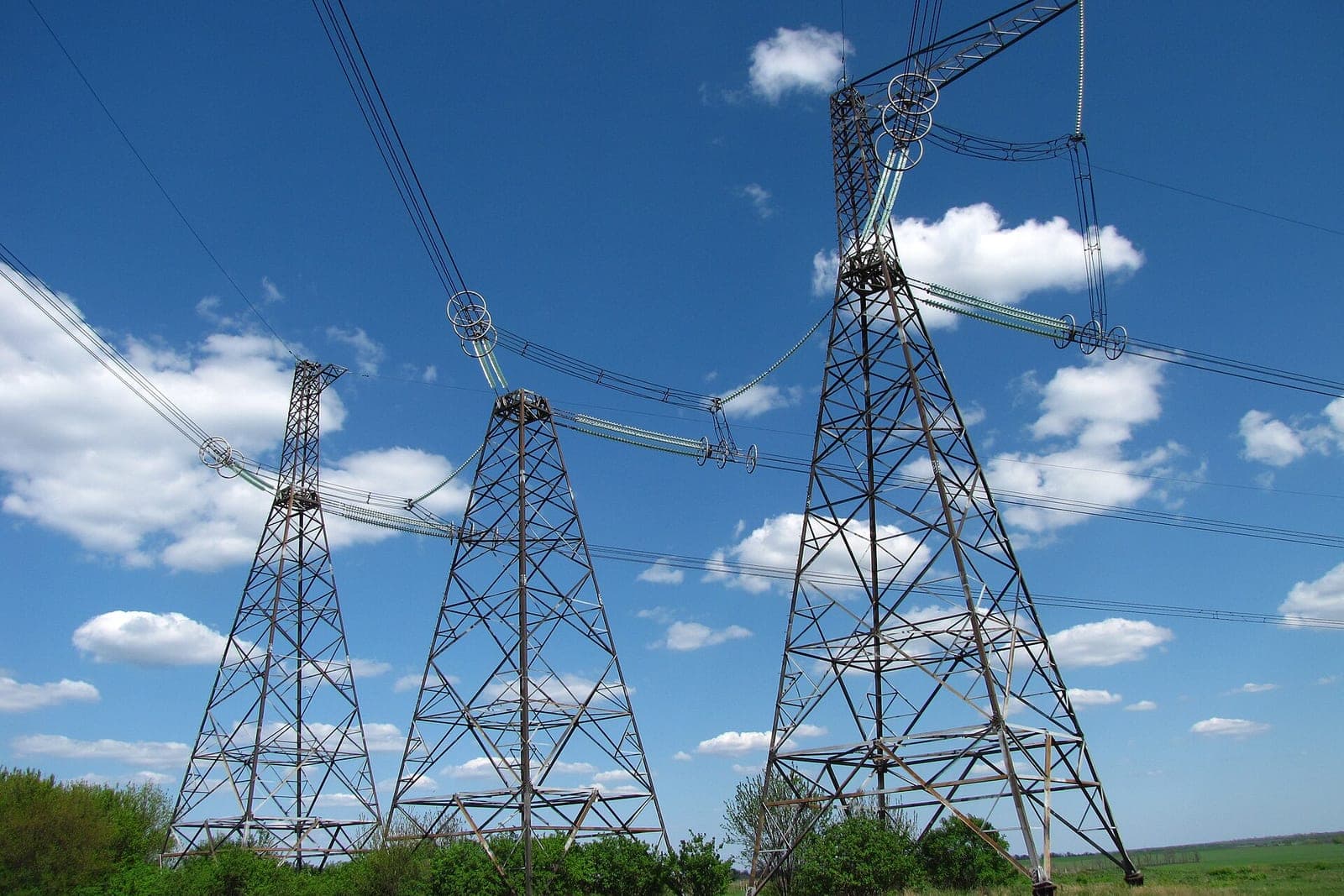
Is AI bad for the environment? It has a real footprint, because the data centers it runs in use electricity to compute and often water to cool the machines.
Energy questions bring up terms like training and inference. Our glossary for AI beginners defines both in a sentence.
Where do AI energy use and water use come from?
AI energy use comes from two jobs: building a model and answering requests with it. Both run on racks of powerful computer chips inside data centers. Those chips draw electricity and give off heat, and many buildings use water to carry that heat away.
Building a model, called training, is a long, heavy burst of computing. Answering requests afterward, called inference, is lighter each time but happens constantly. Our explainer on what AI inference is covers that second job in plain terms.
The Department of Energy's page on data centers (opens in a new tab) calls them one of the most energy-intensive building types. NIST's generative AI profile (opens in a new tab) lists heavy computing use for training and running these systems as a possible strain on ecosystems.
AI water usage happens at data centers and power plants, not in your office. Cooling systems differ, so some sites use far more water than others.
Why do the estimates vary so much?
Estimates of AI energy consumption vary because researchers measure different things. Some count only the chips, while others include cooling and the whole building. Some study one large model, others a small one. Results also shift by region, season and year, so two honest studies can land far apart.
A short answer and a long report use very different amounts of computing. Image and video tools usually work harder than text.
The plain takeaway is to be wary of any one dramatic claim. Look for what was counted before you trust a headline about the AI environmental impact.
What is getting better?
Efficiency keeps improving across chips, software and buildings. Newer chips tend to do more work for the same power, smaller models handle many everyday tasks, and data center operators keep refining how they cool equipment. Those gains help, though growing demand can absorb them.
The Department of Energy expects data center energy demand to rise along with technology use, and says there are many ways to cut it. Common steps include better airflow, smarter cooling and retiring idle servers.
Right-sizing matters too. A small model running on private hardware can handle routine sorting without a giant system behind it. Hosting choices, from a provider to your own server, are laid out in private AI for small business.
So is AI bad for the environment overall?
AI is not simply bad for the environment, and it is not free of cost either. Used for real work in measured ways, its share of a business's footprint can stay modest. Used for idle novelty or wasteful repeat runs, the cost adds up with little to show for it.
A Department of Energy report release (opens in a new tab) names data center growth and AI applications among the reasons national electricity demand is projected to grow. That is why AI data centers now draw so much public attention.
The wider question of whether AI is good or bad for society reaches past energy. Energy and water are one strand of the ethical considerations of AI in business, alongside fairness and privacy.
Sensible habits for a business
Sensible habits start with using AI where it saves real work. Pick tasks your team repeats every week, prefer right-sized tools over the biggest available, and skip idle experiments that nobody reads. Those choices keep the footprint in line with the value you get.
- Choose real jobs. Sorting the inbox or drafting quotes beats generating images for fun.
- Right-size the tool. A small model often handles routine work well.
- Avoid repeat runs. Write a clear request once instead of regenerating many times.
A local courier service uses AI to draft each week's delivery routes. The dispatcher reviews every draft route and signs off, and the tool runs only when new orders arrive.
Our six AI Agents work the same way. Each one wakes when a message, call or task arrives, rather than running all day for nothing. Money is a separate question, covered in our guide on how to budget for AI.
Frequently asked questions
Does AI use a lot of water?
Some AI does, through the data centers that host it and the plants that power them. Many sites use water to carry heat away from equipment, and the amount depends on the cooling design, the local climate and how busy the servers are. Your own office use of an AI tool adds only a sliver of that.
Does AI use a lot of electricity?
Large AI systems use a great deal of electricity in total, both to build models and to answer requests. One person's single question uses far less. The total grows with how often people use these tools, which is why measured, purposeful use matters.
How does AI affect the environment?
AI affects the environment mainly through the electricity and cooling water its data centers consume, plus the materials in the hardware. Efficiency gains help, but rising demand can offset them. Choosing worthwhile tasks and right-sized tools keeps the impact in proportion.
Next step
Book a free workflow consult and bring one weekly task you would like to hand off. We will map how it runs today and show where a right-sized assistant could help, with your team approving the results. We work from the Kansas City metro and meet owners face to face or by video call.
Our standards
- The examples in our guides are illustrations, not customer stories.
- Your AI runs on private and on-premise models, not public AI tools, and nothing you give us is used to train AI models.
- Agents are built so each action is logged in a record that shows any later edit.
- Every call and text opens with a short line saying it is the business's AI assistant, and asking for a person always works.
- Texts go only to people who contacted you or gave you permission, and every message says how to stop.
- If anyone may be hurt or in danger, the only instruction an agent gives is to call 911.
- Depending on the investment package you choose, you get either the right to use the software we build for you or full ownership of it.
- We work from the Kansas City metro and meet owners face to face or by video call.
- Same team. Same jobs. More capacity.
About the ScaleAlphaSi team
ScaleAlphaSi is a Kansas City firm specializing in Advanced AI Engineering. We design and build AI agents and custom software for small businesses, trades and growing companies. Each guide draws on our experience with owners and office teams: where AI delivers, where your people stay in charge, and how to begin with a single workflow.
Meet the team