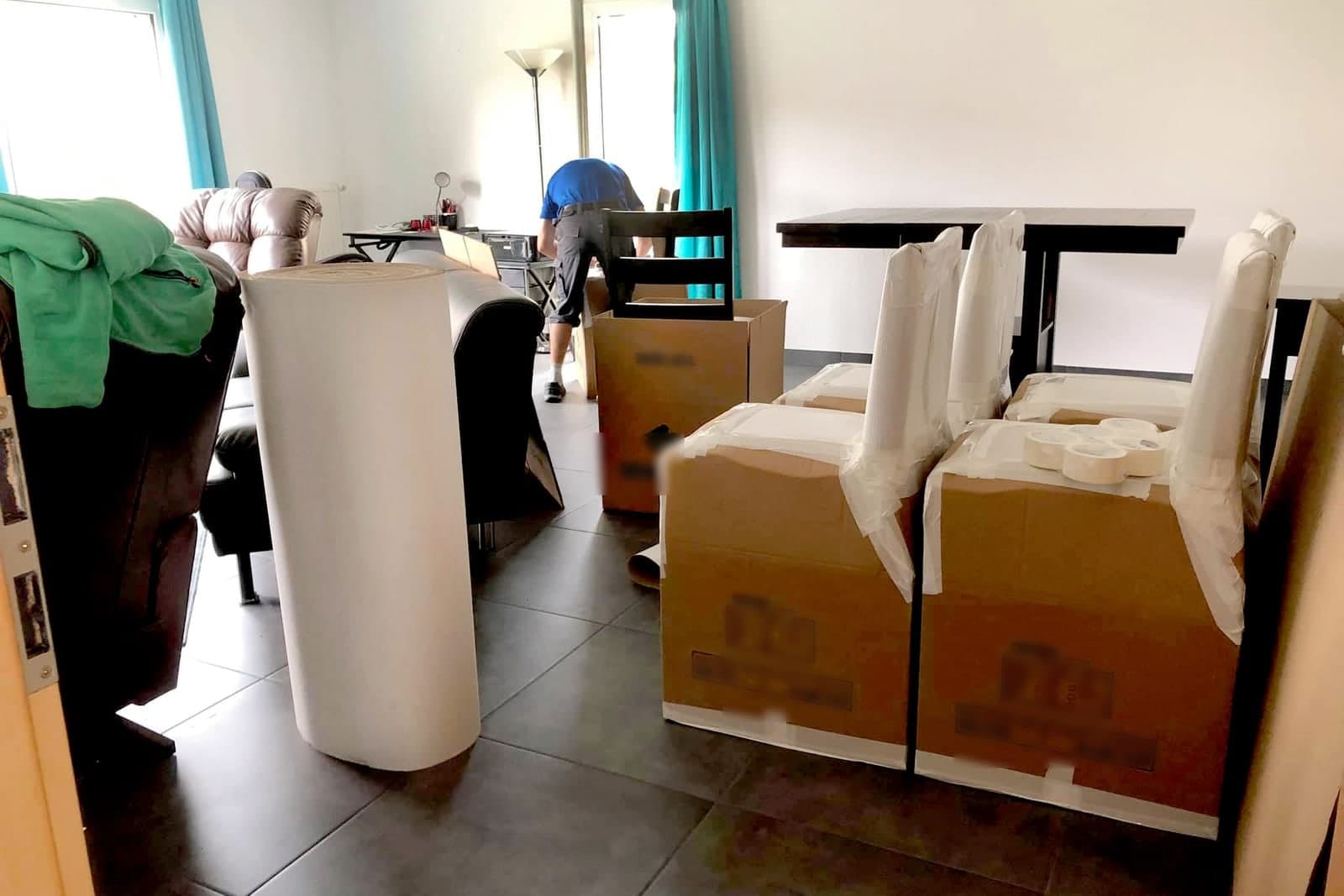
A moving company estimate is only as good as its inventory list. When the customer walks you through every room on video, and someone notes the stairs, the elevator, the long carry from the truck and the piano in the basement, the estimate matches the move. When the list is a guess, the day goes long and the bill surprises everyone.
This post is for moving company owners and estimators who want accurate quotes without driving to every home. It covers video walk-throughs, the inventory list, access details, packing and specialty items, estimate terms and follow-up. For the general follow-up playbook, see quote follow-up automation.
Why do moving company estimates miss?
They miss on the things nobody mentioned. The customer listed the furniture but forgot the garage. The new building needs an elevator reservation. The truck cannot park within a short walk of the door. The "small" bookcase is solid oak.
Every one of those changes crew size, truck size or hours. Your estimator knows to ask. The trouble is that phone calls are rushed, forms are vague, and in-home visits take a full afternoon for one quote.
Can movers give an estimate from a video walk-through?
Yes, and for most household moves it works well. The customer walks each room with a phone, opens closets and shows the garage, and your estimator builds the inventory from the video. A person still reviews the inventory before any price goes out.
There are two common ways to do it:
- Live video call. Your estimator guides the walk-through in real time and asks questions as they go.
- Recorded video. The customer records the walk on their own time and sends it. An AI can draft an inventory list from it for your estimator to check.
A recorded walk-through is easy for busy customers. A live one catches more details. Many owners offer both. Either way, a person reviews the inventory before any price goes out. That matches the SBA's guidance on AI (opens in a new tab), which suggests having a person check every message AI writes.

What belongs on the inventory list?
The inventory list should hold everything that goes on the truck, room by room, plus anything that needs special handling. That means large furniture, boxes and garage or storage contents, the access details at both ends such as stairs, elevators and long carries, and specialty items like pianos or safes.
Room by room:
- Large furniture: beds, dressers, sofas, tables, desks, bookcases
- Appliances that are going, if your crews move them
- Boxes: a count, or an estimate if the customer has not packed yet
- Garage, attic, basement and storage unit contents
Access details that change the job:
- Stairs at both ends, and how many flights
- Elevator, and whether the building needs it reserved
- Long carries from the door to where the truck can park
- Tight turns, narrow halls or doors that may need furniture taken apart
- Parking at both addresses
Specialty items:
- Pianos, safes, pool tables, large mirrors, artwork, gym equipment
- Anything fragile, valuable or very heavy
How should packing services show on the estimate?
Packing services should show as separate lines the customer can choose. Some want full packing, some want only the kitchen packed, and some will pack everything themselves. Full pack, partial pack by room, materials only and unpacking each get their own line, so nobody is surprised on move day.
List each one plainly: full pack, partial pack by room, materials only, unpacking at the new home. The customer sees what each choice adds, and nobody is surprised on move day.
What type of estimate should a moving company give?
That is the owner's decision, shaped by the rules that apply to your moves. Movers use different estimate types with different terms under federal moving rules (opens in a new tab), and those rules can differ for local moves and moves across state lines. The AI only sends the estimate your team approved.
What matters for this post: the estimate type and its terms are set by you, written plainly on every estimate, and explained by a person when a customer asks. The AI never changes terms, offers a discount or promises a final price. If a customer asks what an estimate type means for them, a person answers.
How should a moving company follow up on quotes?
A moving company should follow up on quotes with care and a deadline the customer understands. Moves have fixed dates, so a quote that sits too long can lose the crew and truck for that day. A thank-you, one check-in and a note before the date hold ends is usually enough.
We can set up the Sales Agent to collect the walk-through video, draft an inventory list for your estimator, send the moving company estimate online once a person approves it, and follow up on your schedule with a reminder of when the move date hold ends. The Sales Agent is one of six agents in our Starter Upgrades, each with one clear job. Once the move is booked, moving company scheduling covers crews and trucks.
A simple follow-up plan:
- A thank-you with the estimate and what is included.
- A check-in a few days later.
- A note before your date hold ends, with a link to book.
- Then it stops.
Only text people who contacted you or gave you permission, and make opting out easy, in line with the FCC's rules on automated texts (opens in a new tab).
What stays with your people
Prices, estimate types and terms stay with your people, along with the final inventory your estimator approves. Discounts, exceptions, claims and damage questions also go to a person, and upset customers reach someone right away. The agent collects videos and drafts lists; it never sets a price or promises a final number.
- Prices, estimate types and terms. You set them.
- The final inventory. Your estimator approves it.
- Discounts and exceptions. A person decides.
- Claims and damage questions. A person handles them.
- Upset customers. They reach a person right away.
- Anything unusual, like a move with a tight closing date or a specialty item you do not usually take.
Same team. Same jobs. More capacity.
A quote built from a video
This is an illustration, not a customer story.
A couple asks for a movers estimate through a website form on a Sunday. The Sales Agent replies right away, says it is the company's AI assistant, asks for both addresses and the move date, and sends a link to record a walk-through. That evening they send a video of a two-bedroom apartment, plus a quick clip of a storage unit.
The agent drafts an inventory: two beds, a sectional, a dining set, a desk, about forty boxes, and a heavy glass mirror. It notes a third-floor walk-up at the old place and an elevator at the new one. It asks if the new building needs the elevator reserved. They check, and it does.
Monday, the estimator reviews the list, adds a crating line for the mirror, and approves the estimate. It goes out that morning. Three days later, a short check-in mentions when the date hold ends. They book.
Frequently asked questions
Do I still need in-home estimates?
Sometimes. Large homes, office moves and moves with many specialty items often still deserve a visit. Video handles many household moves well, and frees your estimator for the jobs that need a visit.
What if the customer forgets a room on the video?
Ask a closing question: "Anything in a garage, attic, basement, shed or storage unit?" The agent can ask it every time, and your estimator can ask for one more clip.
Can the AI tell the customer the final price?
No. It sends the estimate your estimator approved, with your terms. Questions about price changes, discounts or what the terms mean go to a person.
Next step
If estimates take too long or miss on move day, book a free workflow consult. Our team is in the Kansas City metro and meets owners in person or by video. In the consult we look at how quotes start today, what your estimator asks every time, and how video walk-throughs and follow-up could fit your crews and trucks.
About the ScaleAlphaAi team
We are a Kansas City company that designs and builds AI agents and custom software for small businesses, trades and growing firms. We write these guides from our work with owners and office teams: what AI handles well, what stays with your people, and how to start with one workflow.
Meet the team