Pest control leads are won by whoever answers first with a clear option. When the first warm week brings ants into kitchens, homeowners fill out three web forms and text two numbers, and many book with the company that replies first. A quick, friendly answer with your recurring plan and your one-time visit side by side turns that rush into booked work.
This post is for pest control owners who feel the seasonal waves and know some leads slip through every spring. It covers the waves, the first reply, plan versus one-time quotes, follow-up and bringing past customers back. Our guide to AI lead qualification covers the questions to ask any lead in more depth, and AI lead generation for small business covers where new leads come from in the first place.
The three waves that fill your inbox
The three waves that fill a pest control inbox are ants in spring, wasps and stinging insects in summer, and rodents in fall. Each wave arrives as night web forms, lunchtime texts and calls while the office is busy, and the spring rush is hardest because recurring visits start then too.
Pest control has a calendar that every owner knows by heart, even if it shifts a little by region:
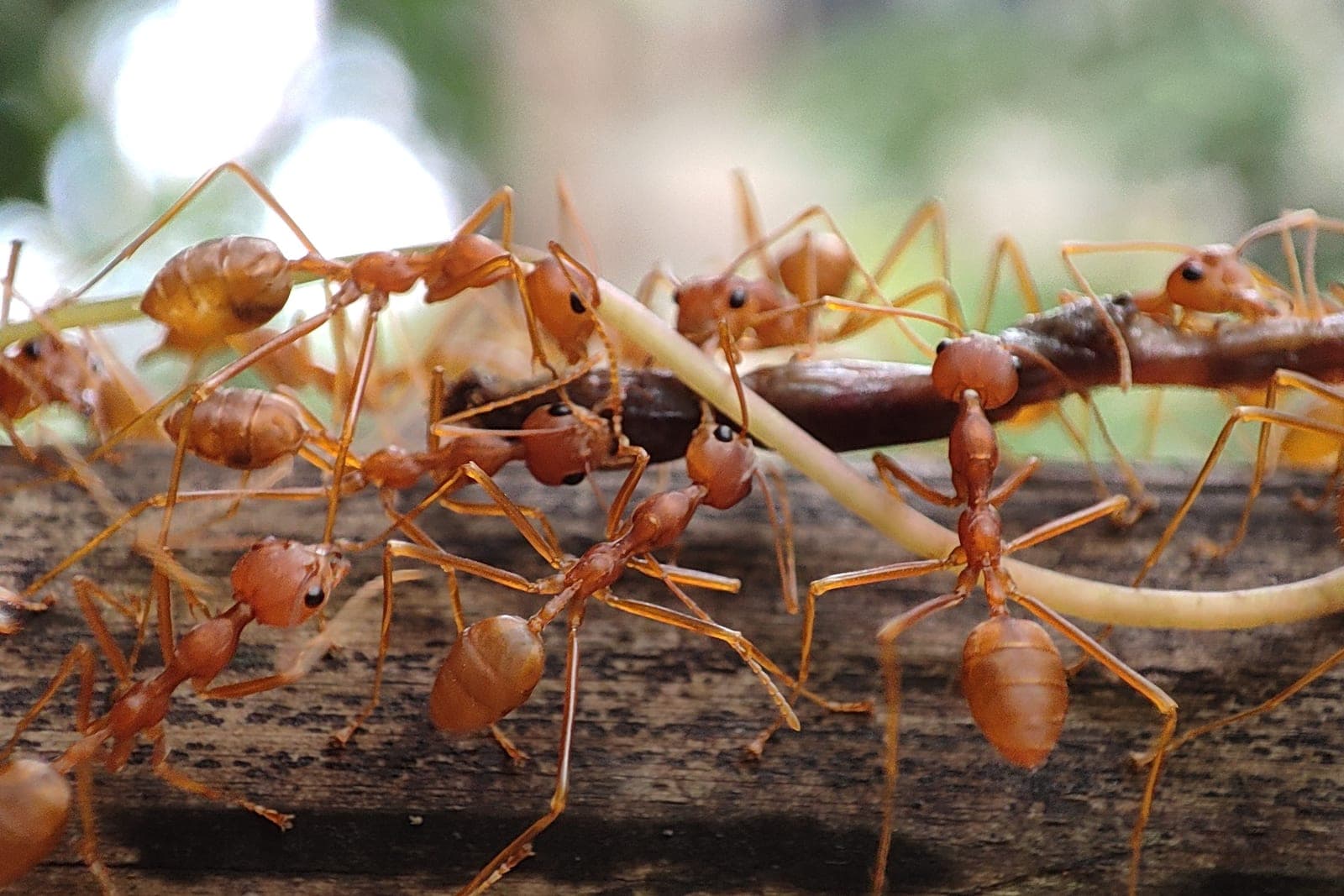
- Spring: ants. The first warm days bring trails across counters and up bathroom walls. Leads spike fast and drop off just as fast.
- Summer: wasps and stinging insects. Nests under eaves, in swing sets and in the mailbox post. These callers want someone soon, and often they have kids or a pet they worry about.
- Fall: rodents. As it cools, mice look for a warm way in. Leads come in as "I heard scratching in the attic" or "I found droppings in the pantry."
Each wave arrives the same way: web forms at night, texts during lunch, and calls while your office is already on the phone. The spring rush is the hardest, because it lands while your techs are also starting the season's recurring visits.
How fast should a pest control company answer a new lead?
A pest control company should answer a new lead right away, by text, any time of day. A homeowner with ants on the counter is filling out forms right now, and the first useful reply usually wins. A thank-you, one or two questions and a next step are enough.
The reply does not need to be a full quote. It needs to show someone is on it:
- Thank them and confirm what they wrote. "Ants in the kitchen near the sink, got it."
- Ask one or two questions. How long has it been going on? House or apartment? Any pets?
- Offer the next step. A time window for a visit, or the plan options with a link to pick one.
Only text people who contacted you or gave you permission, and make opting out easy. Every text thread opens with a short line saying it is your company's AI assistant, and asking for a person always works.
Questions about which products you use, whether something is safe for a pet or a child, or how to treat it themselves always go to a licensed technician. The AI never gives treatment or safety advice. That matters because the EPA's pesticide label rules (opens in a new tab) make labels legally enforceable, and using a product in a way that does not match its label violates federal law. If anyone may be hurt or in danger, the only instruction it gives is to call 911, and it alerts your on-call person at once.
Should pest control quotes offer a plan or a one-time visit?
Offer both, side by side, from the options you set. Most pest control quotes come down to two paths: a recurring plan with regular visits, or a one-time service for a single problem. The AI only presents the options you wrote.
A clear quote lays them side by side:
- Recurring plan. What it covers, how often the tech visits, and what happens if pests come back between visits.
- One-time visit. What the visit includes and that it does not cover future problems.
- What happens next. Pick a time, or reply with questions.
If you publish prices, the quote can show them. If you price after an inspection, it offers the inspection instead. Rodent jobs and wildlife calls often need a visit first, and the owner decides which leads get a firm number and which get an inspection.
Do I need a CRM for pest control leads?
You need one place where every lead lives, with its status and the next follow-up date. Whether that is a full CRM for pest control or the lead list inside your routing software matters less than keeping it current. Open quotes without a follow-up date are the ones that go silent.
What usually breaks is not the tool. It is the habit. In the spring rush nobody updates the status, so open quotes go silent. An agent can keep the list honest: every new lead logged, every reply noted, every open quote with a follow-up date.
We can set up the Sales Agent to reply to pest control leads by text right away, ask your intake questions about the pest and the property, lay out your recurring plan and one-time options, follow up on open quotes, and log every lead in your CRM. The Sales Agent is one of six Starter Upgrades, and it uses your questions and your prices only.
Following up on open quotes
Following up on open quotes brings back many that would otherwise go quiet, because a lot of quotes never get a yes or a no. They just stop. The ants went away for two days, or the homeowner got busy. Two short check-ins, then a stop, is enough.
A polite follow-up rhythm brings many of them back:
- A short check-in a couple of days after the quote
- A second note before the weekend, when people are home and notice the problem again
- Then it stops, and the lead is marked closed
If the customer replies with a question, it goes to your office. If they say "not now," the agent notes it and stops.
Bringing past one-time customers back in season
Past one-time customers are your best leads for next season, so bring them back before each wave starts. They already trust you. Many of them will face the same problem next year. A short note works, sent only to people who agreed in writing to sales texts.
Before each wave, an agent can send a short note to past one-time customers. Sales and seasonal texts go only to customers who said yes in writing to getting them, as the FCC's rules on marketing texts (opens in a new tab) require. Every message says how to stop, and we follow quiet hours. "Hi, it's [Company]. Ant season is starting. Want to stay ahead of it this year with a recurring plan? You're texting our AI assistant. Reply STOP to opt out." Our post on database reactivation covers how to prepare that list and what to say. Pair it with good reviews, which our post on pest control reviews covers, and the spring rush starts with warm leads instead of cold ones.
What stays with your team
Your team decides which pests and properties you take on, every price and plan change, and any question about products, safety, pets or children. Commercial accounts, unusual jobs, complaints, re-service disputes and cancellations also stay with a person, while the AI simply answers fast and keeps quotes moving.
People decide:
- Which pests and properties you take on
- Every price, discount and plan change
- Any question about products, safety, pets or children
- Commercial accounts and unusual jobs
- Upset customers, complaints and re-service disputes
- Cancellations, which a person handles with care
Same team. Same jobs. More capacity.
A spring Monday, sketched out
This is an illustration, not a customer story.
The first warm weekend hits. By Monday morning a three-truck pest control company has a stack of web forms and texts. Each one already has a reply from the agent, sent right away. Most are ants. Two are wasps under a deck. One mentions mice in the garage.
The ant leads got the plan and one-time options with a link to book. Several booked overnight. The wasp leads got a visit window. The mouse lead asked whether the product is safe for a dog, so it went to the lead technician with the full thread. Thursday, the open ant quotes get a friendly check-in. Two more book.
Frequently asked questions
Should every pest control lead get a price right away?
Only if you want it that way. Many owners publish prices for common ant and spider plans and ask for an inspection on rodents, termites and wildlife. The rules are yours.
Can the AI answer questions about what we spray?
No. Product, safety and treatment questions go to a licensed technician every time. The AI tells the customer a tech will follow up and sends the thread.
What about leads from our map listing and website chat?
They can all land in one place. Calls, texts, forms and chat messages get the same quick reply and the same follow-up. Every lead is logged with its status and next follow-up date.
How do we keep from texting people too much?
Set a short rhythm and stick to it. Stop the moment someone replies, books or says no, and make opting out easy in every message.
How do you get pest control clients?
Answer every call and form fast, especially in spring when calls pile up. Ask happy customers for reviews, keep your map listing current and follow up on quotes that went quiet. Recurring plans turn one-time clients into steady ones.
Next step
If spring leads are piling up faster than your office can answer, book a free workflow consult. We are based in the Kansas City metro and meet pest control owners in person or by video. In the consult we look at where your leads come from, how fast they get an answer today and how you quote plans versus one-time visits, then lay out a lead flow you can approve before the next wave.
About the ScaleAlphaAi team
We are a Kansas City company that designs and builds AI agents and custom software for small businesses, trades and growing firms. We write these guides from our work with owners and office teams: what AI handles well, what stays with your people, and how to start with one workflow.
Meet the team