Solar follow up works when it matches the homeowner's pace: a quick reply to the first inquiry, a nudge to send a utility bill, a booked site survey, and then patient, polite check-ins after the proposal goes out. Solar decisions take a while because the purchase is big and the questions are real. An agent can carry the steady follow-up, while your consultant answers the questions that matter.
This post is for solar installers and sales managers who lose deals not to a "no" but to silence. It covers each stage of the cycle, what to send and when, which questions always go to a person, and how to stop when someone asks you to. Our post on quote follow-up automation covers the general method. Here we stay on solar.
Why solar deals go quiet
A homeowner who asks about solar is curious, not committed. They have to gather a year of utility bills, talk it over at home, think about financing, and decide whether they trust the roof and the installer. Many are also comparing more than one company.
That takes time. Meanwhile your consultant is chasing new solar leads, running site visits and writing proposals. The prospect from last month slips down the list. When they finally decide, they call whoever followed up last.
None of that is a sales problem. It is a follow-up problem, and follow-up is repeat work.
What are the stages of a solar sale?
Most solar sales move through six stages, from the first inquiry to a decision. Each stage needs its own kind of follow-up, and mixing them up annoys people. In order, they are new inquiry, utility bill, site survey, proposal, questions and decision.
- New inquiry. Reply fast, thank them and ask one or two simple questions about the home.
- Utility bill. Most proposals need recent bills. Ask for them plainly and make it easy to send a photo or a file.
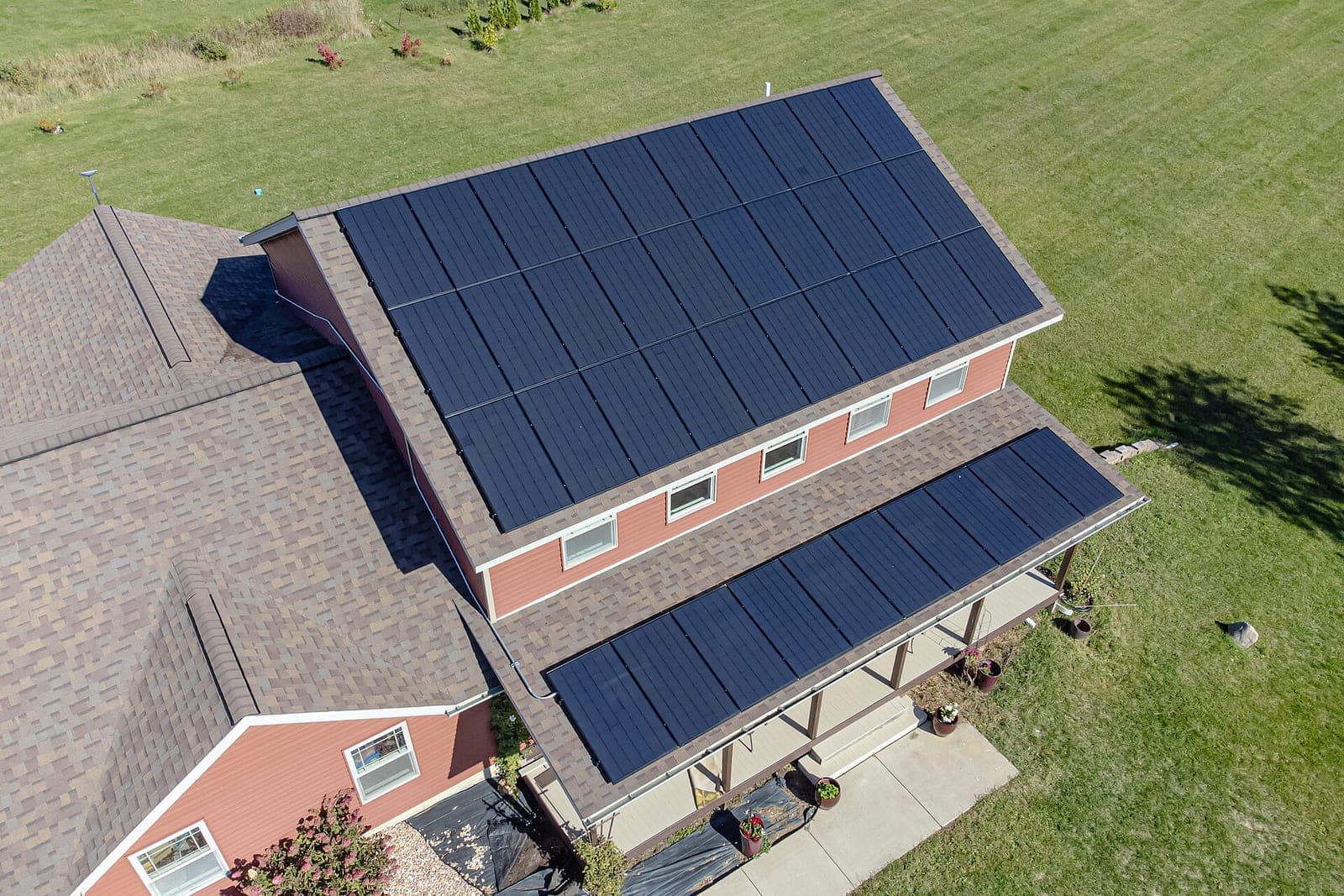
- Site survey. Book a time for someone to look at the roof, the panel and the shading. The Department of Energy's homeowner guide (opens in a new tab) notes that roof age, tree shade and the size, shape and slope of a roof all affect whether rooftop solar is a good fit.
- Proposal. Your consultant builds and presents it.
- Questions. The homeowner thinks it over and asks things.
- Decision. Signed, not now, or no.
The agent handles the nudges between stages. Your consultant owns the proposal and the questions.
Getting the utility bill without nagging
Getting the utility bill without nagging takes a short, plain ask and an easy way to reply with a photo, because the bill is where many solar leads stall. People mean to send it and forget. After a second friendly note offering help, pause until they come back.
A good first ask is short: "To size a system for your home, we need your recent electric bills. You can reply with a photo of the first page." If there is no reply, a second note a few days later can offer help: "If it's easier, we can walk you through finding it on your utility's website on a quick call."
After two asks, pause. If they come back later, pick up where they left off. Only text people who contacted you or gave you permission, and make opting out easy.
How long should solar follow-up on a proposal last?
Follow up for as long as the homeowner stays open, at a gentle pace that slows over time. Stop the moment they say no or ask you to stop. The pace slows from a day-after thank-you to a light monthly touch.
A cadence many installers can start from:
- The day after the proposal. Thank them and ask if any questions came up.
- A few days later. Share one helpful thing: a short explainer of how the install day works, or what the site survey found.
- A week or two later. A simple check-in: "Still thinking it over? Happy to answer anything."
- Then monthly, for a while. A light touch, until they decide or opt out.
Each message is short and in your company's voice. None of them pressure or invent deadlines. If a homeowner replies with a question, the cadence pauses and the consultant takes it. Sales texts like these go only to homeowners who said yes in writing to getting them. Every message says how to stop, and we follow quiet hours.
Questions that always go to a person
Tax credit and incentive questions, financing, proposal details, and warranties or dates always go to a person. Solar buyers ask hard questions, and many of them are not ones an AI should answer, so the agent stops the cadence and hands the question to the consultant.
- Tax credits and incentives. Whether any credit or incentive applies, how much it is worth, and how to claim it are tax questions. They go to a person, and often to the homeowner's own tax preparer. The IRS's page on the Residential Clean Energy Credit (opens in a new tab) says that federal credit is not available for property placed in service after December 31, 2025. The agent gives no tax advice.
- Financing. Loan terms, rates, leases and payments go to your consultant or finance partner.
- Proposal details. System size, production estimates, savings and roof concerns go to the consultant who built the proposal.
- Warranties and dates. Any promise about install dates, results or warranty terms comes from a person.
The agent's job is to notice the question, stop the cadence and hand it to the consultant with the full thread.
What should a CRM for solar company sales track?
A CRM for solar company sales should track each lead's stage, what is still missing, and the next follow-up date. Without those three things, leads fall between the cracks of a long cycle. Opt-out status and the preferred contact method belong on every record too.
Useful fields include:
- Lead source and date
- Utility bills received, yes or no
- Site survey date and findings
- Proposal sent date and version
- Open questions and who owns them
- Opt-out status and preferred contact method
We can set up the Sales Agent to reply to new solar leads quickly, ask for utility bills, book site surveys on your calendar, run a polite proposal follow-up cadence, and pass every tax, financing or proposal question to your consultant. It is one of six Starter Upgrades. Our post on AI lead qualification shows how to sort serious buyers from browsers, and solar scheduling software covers the install side.
Honoring a "no" and keeping it easy to leave
Every message should make it easy to stop. A reply like "stop" or "not interested" ends the cadence right away and marks the record. A homeowner who says "not this year" gets a note in the CRM and no more messages until the date they named, if they agreed to hear from you then.
For outbound calls, the rule is strict. Outbound calls with an AI voice fall under the FCC's strict consent rules (opens in a new tab), so we set them up only for people who agreed to hear from you. Every call and text opens with a short line saying it is the business's AI assistant, and asking for a person always works.
What your consultants keep
Your consultants keep every proposal, price and system design, plus all tax credit, incentive and financing questions. Any promise about dates, production or savings, roof concerns and site survey findings, and complaints from anyone upset also stay with them. The agent only carries the steady follow-up between stages.
- Every proposal, price and system design
- Tax credit, incentive and financing questions
- Any promise about dates, production or savings
- Roof concerns and site survey findings
- Complaints and anyone who seems upset
Same team. Same jobs. More capacity.
A quiet prospect comes back
This is an illustration, not a customer story.
A homeowner fills out a web form on a Sunday night. The Sales Agent replies right away, says it is the company's AI assistant, and asks for a recent electric bill. She sends a photo two days later. The agent books a site survey for the following week.
The consultant visits, then sends the proposal. The day after, the agent checks in. No reply. A few days later, it sends a short note on what install day looks like. Still nothing.
Two weeks later, she replies: "Does the tax credit apply to us?" The cadence stops. The consultant gets the question and the full history, and calls her. She also wants to talk to her tax preparer. The consultant notes it and sets a follow-up date she agreed to. A month later, she signs.
Frequently asked questions
Will follow-up messages annoy homeowners?
Not if they are spaced out, short and easy to stop. The cadence slows over time and ends on any "stop" or "no." Every message says how to stop, and texts respect quiet hours.
Can the agent answer questions about the proposal?
Only simple ones from your approved answers, like what happens on survey day. Anything about the system, savings or price goes to the consultant. The cadence pauses while the consultant answers, then picks back up if the homeowner wants.
Does it work with purchased solar leads?
It can follow up only with people who agreed in writing to hear from you. Leads without written consent should not get automated sales texts or AI calls.
How do you follow up politely?
Keep it short, friendly and easy to answer: say who you are, mention what you sent and ask one simple question. Space messages out, and stop as soon as they say no.
Next step
If your solar proposals go out and then go quiet, book a free workflow consult. Our team works out of the Kansas City metro and meets installers in person or by video. We would look at where your leads stall, how you collect bills and book surveys, and what a respectful follow-up cadence could look like for your company.
About the ScaleAlphaAi team
We are a Kansas City company that designs and builds AI agents and custom software for small businesses, trades and growing firms. We write these guides from our work with owners and office teams: what AI handles well, what stays with your people, and how to start with one workflow.
Meet the team