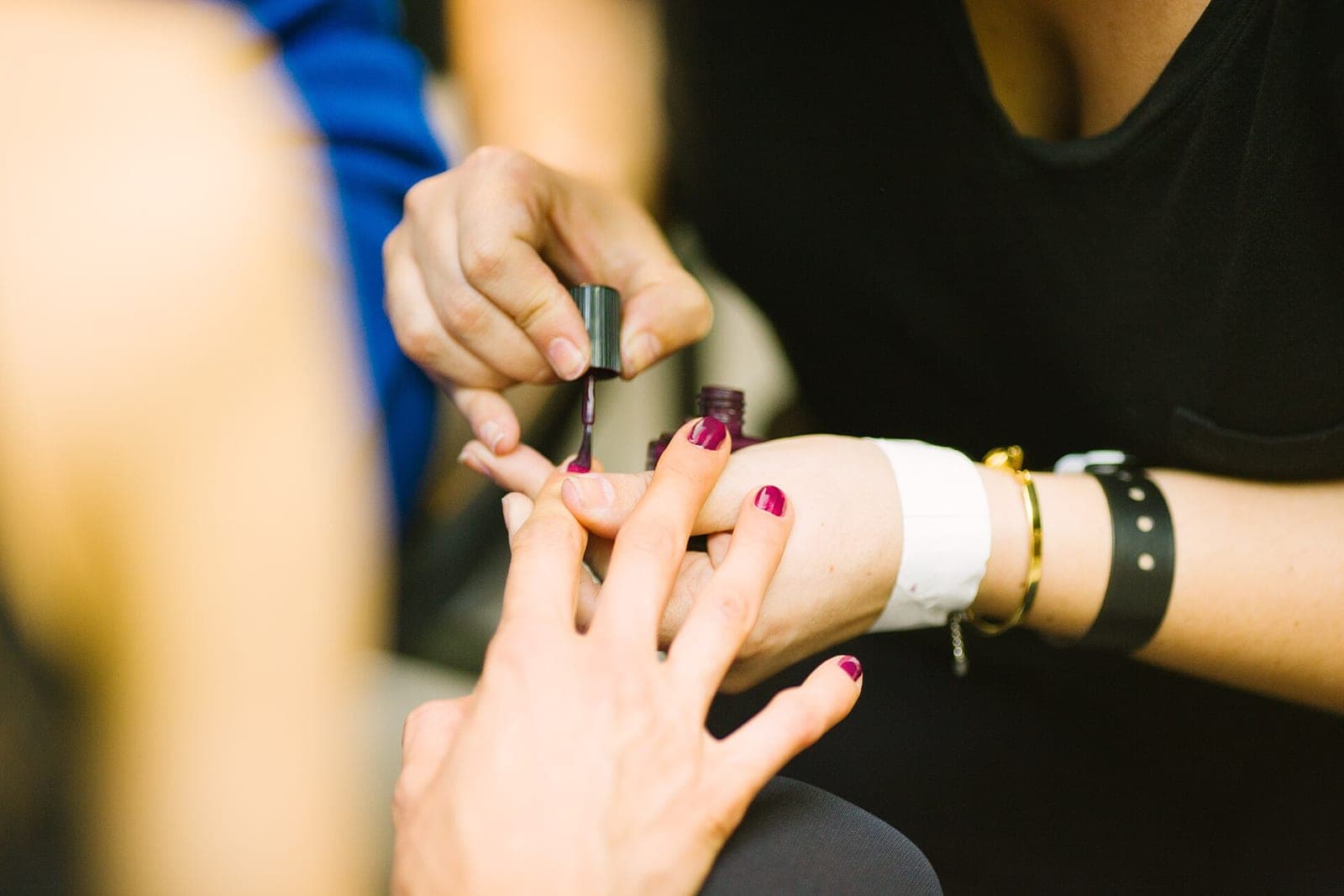
An AI receptionist for hair salons, spas and barbershops answers calls, texts and messages while every pair of hands in the shop is busy. It books, rebooks and confirms clients on your real calendar, following your service menu and each stylist's or therapist's rules. Money questions, complaints and anything unusual go to a person.
This post is for owners and front-desk leads at Kansas City salons, day spas, nail studios and barbershops, from Brookside and Waldo to the Northland and Overland Park. It covers calls missed mid-service, rebooking, cancellations and no-shows, gift card questions and messages from your social pages. For front-desk coverage in general, see our post on AI receptionists in Kansas City.
Why do salon calls ring out mid-service?
Because the people who answer the phone are the same people holding the shears, the color brush or the massage oil. Stepping away from a client to grab a call feels rude, so the phone rings out. The rush also lands on Saturdays and after-work hours, when every chair is already full.
The rush hits at the worst times. Saturday mornings. The hour after work. The weeks before holidays and weddings. A front-desk person, if you have one, is checking out a client while two lines ring. A barber with a full chair and a line of walk-ins cannot stop to talk about Thursday.
Each call that rings out is a client who may book somewhere else. Some will send a message to your social page instead, then wait hours for an answer.
An AI assistant covers those moments. It answers in your shop's name, books on your calendar and lets your team stay with the client in the chair.
What can AI booking handle for a salon or spa?
It can book, move and confirm appointments, answer the questions you hear all day, and keep the calendar full from a waitlist. It works on calls, texts, website chat and messages from your social pages. Every booking follows your service menu and each stylist's rules.
- New bookings. It matches each service to the right length, so a beard trim and a full highlight never get the same slot.
- The right person. "With Jess, please" or "anyone open Saturday." It knows who does what and who works which days.
- Service gaps. If you allow it, a quick service can go into the time while a color processes.
- Rebooking. When a client is due, it offers their usual stylist and time.
- Gift cards. It explains how to buy one and what they cover, from your approved answers.
- Everyday questions. Parking, how early to arrive, what to expect at a first massage, and whether you take walk-ins.
Rebooking texts follow the FCC's rules on automated texts (opens in a new tab): only text people who contacted you or gave you permission, and make opting out easy. Missouri's No-Call law (opens in a new tab) counts sales texts as telephone solicitations, not just voice calls.
This is the front-line job our Customer Agent does. The calendar rules behind it are the same ones in our guide to AI appointment scheduling. Booking is a natural first step in AI for small business, because a full book is easy to see. We can set up the Customer Agent to answer your phone calls, reply to texts and website chat, book appointments on your real calendar and alert your team right away about urgent calls.
How does it handle cancellations and no-shows?
It makes cancelling easy, so clients tell you instead of just not showing up. Then it offers the open time to clients who want to come in sooner. Two-way reminders let a client reply to cancel, and the assistant fills the gap from your waitlist in the order you set.
Two-way reminders do most of the work. A client who cannot make it replies to the reminder, and the assistant offers new times right there. Our post on automated appointment reminders covers timing and wording.
For the open slot, the assistant works through your waitlist in the order you set. A barbershop might text regulars who like that hour. A spa might start with clients who asked for that therapist.
When someone books, the assistant can share your cancellation policy as you wrote it. Charging a card, waiving a fee or making an exception stays with the owner or manager. Repeat no-shows get flagged to you, so a person decides what happens next.
What changes for day spas, nail studios and barbershops?
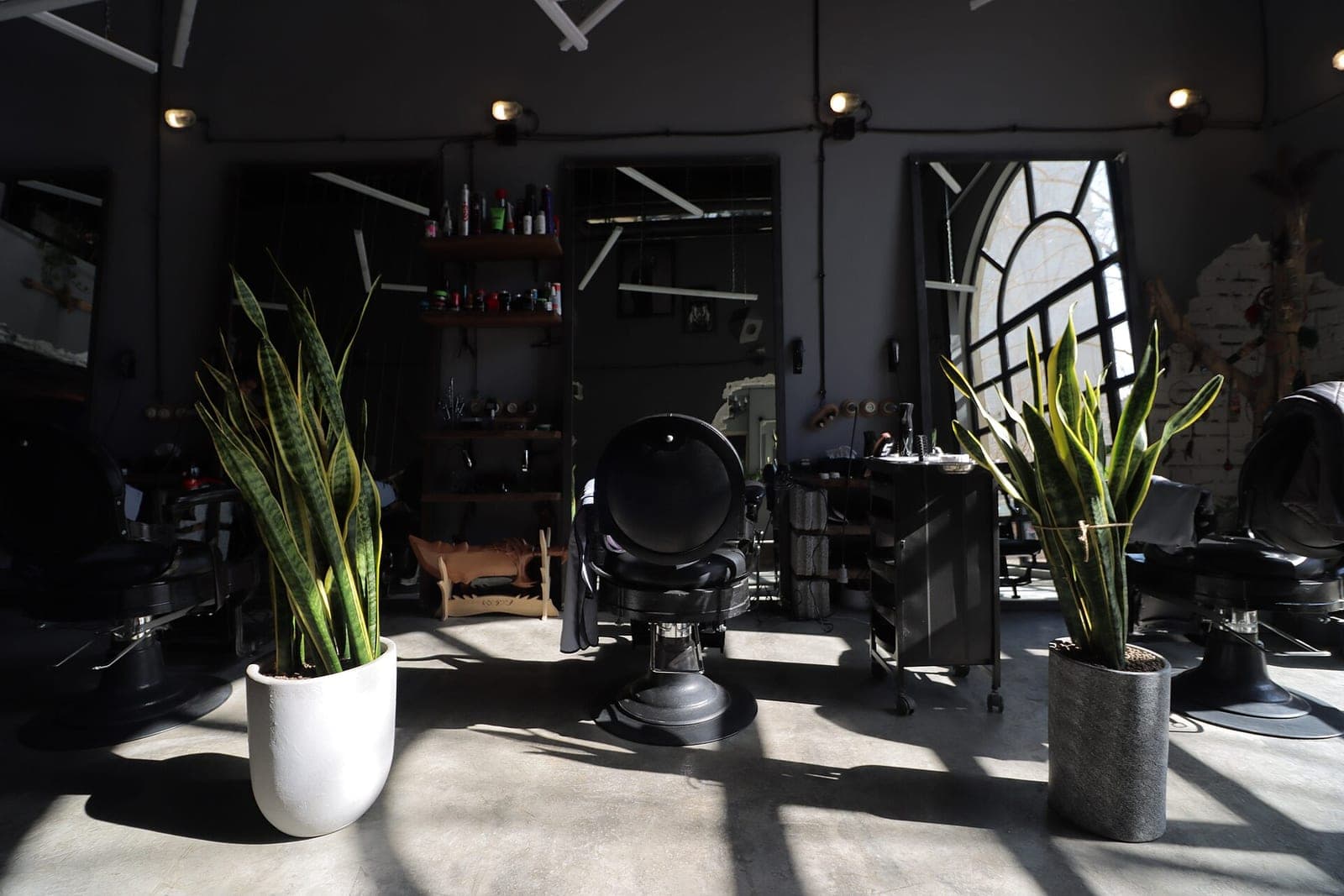
Spas book rooms as well as people, and barbershops often mix bookings with walk-ins. The assistant needs clear rules for both. Nail studios stack services, like a soak-off and a new set, so the assistant books the right chair for the full length of the visit.
- Day spas. A couples massage books two therapists into one room together. A facial room needs setup time between guests. Clients in a treatment room should never hear a phone, so a quiet front matters.
- Nail studios. Services stack, like a soak-off and a new set, and pedicure chairs fill before manicure tables do. The assistant books the chair and the time together.
- Barbershops. Regulars often come on a set rhythm, so the assistant can hold a standing spot. If you keep a walk-in list, it can add names and tell callers what is open on the book.
What should stay with your team?
Anything that needs a stylist's eye, a manager's judgment or a talk about money. The assistant books and answers, and your people handle the rest. Color corrections, skin and health questions at a spa, refunds and upset clients all go straight to a person.
- Color corrections and big changes. It can book a consultation, but whether a look is possible is the stylist's call.
- Health and skin questions at a spa, such as allergies, pregnancy or medications
- Prices for custom work, discounts, refunds and gift card balance problems
- Complaints and upset clients
- Anyone who asks for a person
Every call and text opens with a short line saying it is the business's AI assistant, and asking for a person always works. Same team. Same jobs. More capacity.
A Saturday at a Waldo barbershop
This is an illustration, not a customer story. A barbershop in Waldo has four chairs and a full Saturday.
By mid-morning, every barber is cutting. Three calls come in close together. The assistant books two clients into afternoon openings and adds the third to the list for an earlier spot.
A message arrives from the shop's social page asking about a gift card for a dad's birthday. The assistant explains how to buy one. When the sender asks why an old card shows the wrong balance, it passes that to the owner with the details.
After lunch, a client cancels by replying to his reminder. The assistant texts the first name on the list, who takes the chair. Nobody put down the clippers to answer the phone.
Can an AI receptionist for a hair salon take calls while you're with a client?
Yes. An AI receptionist for a hair salon answers the phone while your stylists are foiling, cutting or blow-drying, and books each caller with the right stylist for the right service. It is built to follow your salon's booking rules, so a quick call does not turn into the wrong appointment.
Hair calls are trickier than most. A caller who wants a trim is easy. A caller who wants to go from dark brown to blonde needs a color consult first, so the receptionist books the consult instead. It knows a root touch-up and a balayage need very different chair time. It also knows which stylists do extensions or curly cuts.
Maybe your salon asks new color clients for a patch test before the first visit. Then it tells callers so and books the test. A request for a specific stylist gets that stylist's next opening, or a second choice if the caller would rather come sooner.
Then there is the regular calling from the car, running late. The receptionist takes the message and alerts her stylist right away. The stylist decides whether to shorten the service or move it.
Some questions go to the stylist or salon manager with notes. Will this color work? Was last week's cut done wrong? Any scalp or health worry gets a callback from a person, never an answer from the AI. Callers are told at the start that an AI is answering.
We can set up the Customer Agent, our AI receptionist, to field your salon phone while every chair is full, booking consults, patch tests and stylist requests by your rules.
Frequently asked questions
Can clients book with a specific stylist or barber?
Yes. The assistant knows who offers each service and who works which days. If that person is booked, it offers their next opening or another stylist, whichever the client prefers.
Can it answer messages from our social pages?
Yes, when those messages can be routed to the assistant. It answers with real openings and books the visit. Anything it should not handle goes to your team in the same thread.
Can it book a bridal party or other group?
It collects the details: the date, the number of people, the services and the start time. A person then plans the day, sets any deposit and confirms it, because group bookings need judgment.
Does it work for a one-chair studio?
Yes. A solo stylist or suite renter may notice the difference most, because there is no front desk at all. The assistant covers the phone and messages while you work, and you read a short summary between clients.
Next step
Book a free workflow consult. We will look at the hours your phone goes unanswered, how rebooking and cancellations work today, and which messages pile up on your social pages. Then we will show how a booking assistant would fit your shop, whether you are in the Crossroads, in Lee's Summit or anywhere in between. We meet in person across the metro, or by video between clients.
About the ScaleAlphaAi team
We are a Kansas City company that designs and builds AI agents and custom software for small businesses, trades and growing firms. We write these guides from our work with owners and office teams: what AI handles well, what stays with your people, and how to start with one workflow.
Meet the team