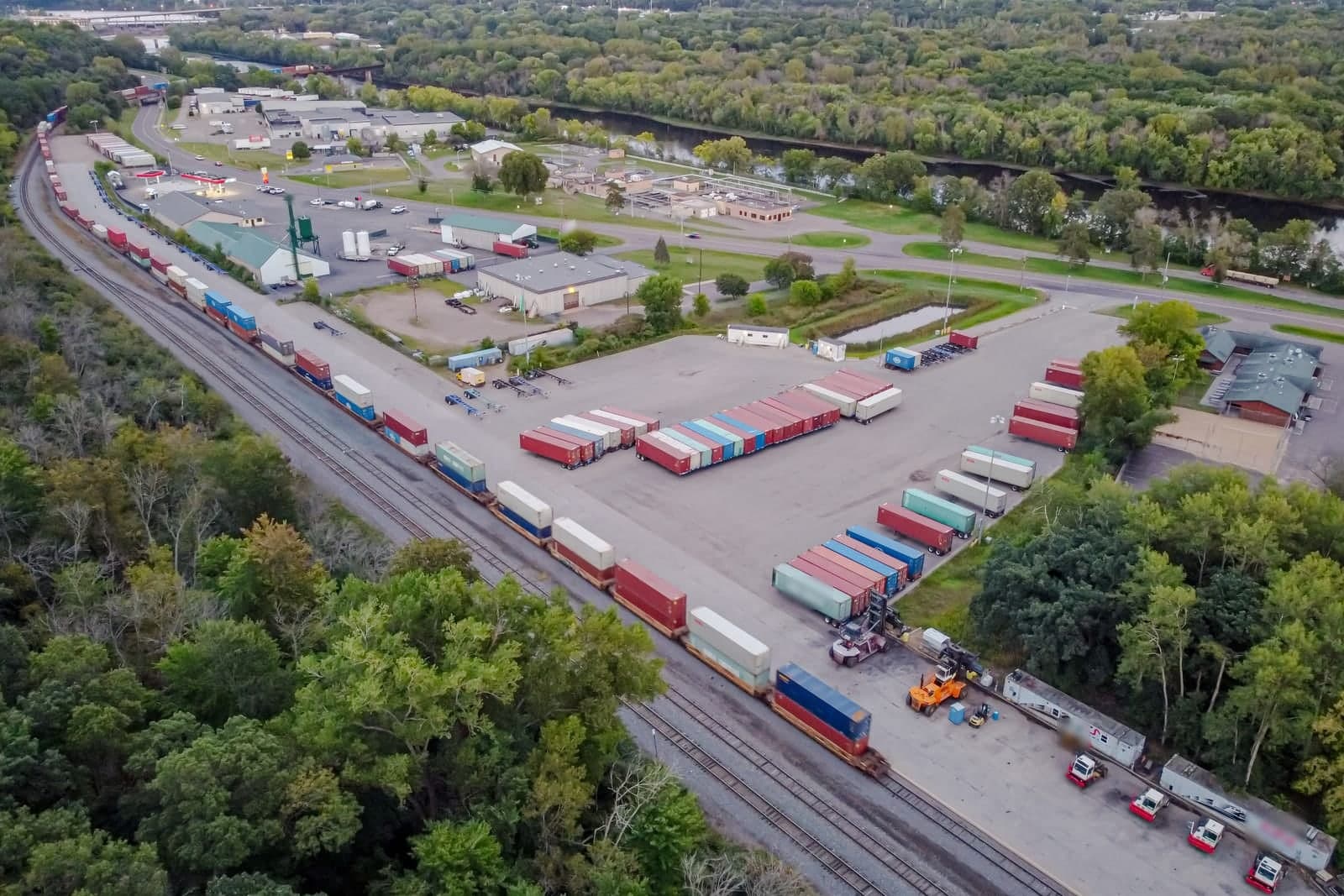
AI for logistics companies in Kansas City earns its keep on three jobs: sending dispatch and status updates, sorting load paperwork, and answering the endless "where is my shipment?" question. An agent does the reading, matching and messaging. Your dispatchers keep the calls that need judgment: rates, reroutes, claims and anything with a driver's safety on the line.
Kansas City has been a rail and trucking crossroads for a long time. Interstates and rail lines meet here, and warehouses fill both sides of the state line. That means a lot of freight, and a lot of messages about freight. This guide shows where AI helps carriers, brokers and warehouse operators in the metro, and where it should stay out.
Why do logistics offices drown in repeat work?
Every load creates a trail of small tasks. Confirm the pickup. Send the rate confirmation. Collect the bill of lading. Answer the shipper who wants an update. Chase the proof of delivery. Match it to the invoice. Repeat for every load, every day.
Most of those steps follow the same pattern each time. They do not need a dispatcher's experience. They need someone to read a document, check it against another one, and send a short message. That is the kind of work an agent absorbs well. The SBA's guidance on AI (opens in a new tab) makes the same point about repeat tasks such as sorting email and calendar reminders.
How can AI handle dispatch updates?
AI handles dispatch updates by reading driver check-ins and tracking data, updating the load record and sending short status messages to shippers and receivers. A dispatcher's phone and inbox never stop, so the agent also flags a load the moment it looks late. It never reroutes a truck or promises a new window.
- Read driver check-ins and tracking updates as they come in.
- Update the load record in the system you already use.
- Send short, clear status messages to shippers and receivers at the points they care about: picked up, in transit, delayed, delivered.
- Flag a load the moment it looks late, so a dispatcher can call the customer before the customer calls you.
The agent does not reroute a truck or promise a new delivery window. It tells a dispatcher what changed and drafts the message. The dispatcher decides what to say and sends it, or approves the agent's draft with one tap.
Can AI sort load paperwork?
Yes. Paperwork is where a lot of logistics money waits. A missing proof of delivery holds up an invoice. A bill of lading with the wrong count turns into a claim later. An agent collects documents per load, reads the key fields and flags any mismatch before your billing person builds the invoice.
An agent can:
- Collect documents from email, driver photos and portals into one place per load.
- Read each document and pull out the key fields: load number, pieces, weight, signatures, dates.
- Compare the bill of lading, the rate confirmation and the proof of delivery, and flag any mismatch.
- Build the invoice packet once everything lines up, for your billing person to review and send.
This is the same idea we cover in document automation for small business, applied to freight. Your billing team spends its time on the exceptions instead of on every single load.
How does AI answer customer status questions?
"Where is my shipment?" is the most common question in logistics, and it is almost always the same lookup. An agent can answer it by text, email or website chat at any hour. It checks the load record, gives the current status in plain words, and offers to have a person call if anything looks wrong.
It is built to answer only from your load records. When the answer isn't there, or the tracking data is stale or the load is flagged, the agent says a person will follow up and hands the thread to your team with the details already gathered. Our Customer Agent is built for exactly this kind of front-line question with a clean handoff.
What stays with your dispatchers and managers?
Rates and accessorial charges, new delivery promises, reroutes and driver assignments, freight claims and safety concerns stay with your dispatchers and managers. Logistics runs on judgment calls, and those stay human. Carrier contracts, payments and anything legal go to a person too.
- Rates, quotes and accessorial charges.
- Promises about new delivery times.
- Reroutes, load swaps and driver assignments.
- Freight claims, damage and shortage disputes.
- Anything about a crash, an injury or a safety concern.
- Carrier contracts, payments and anything legal.
The agent's job is to make sure the person making those calls has the facts in front of them, fast. Same team. Same jobs. More capacity.
What does AI look like for a warehouse or 3PL?
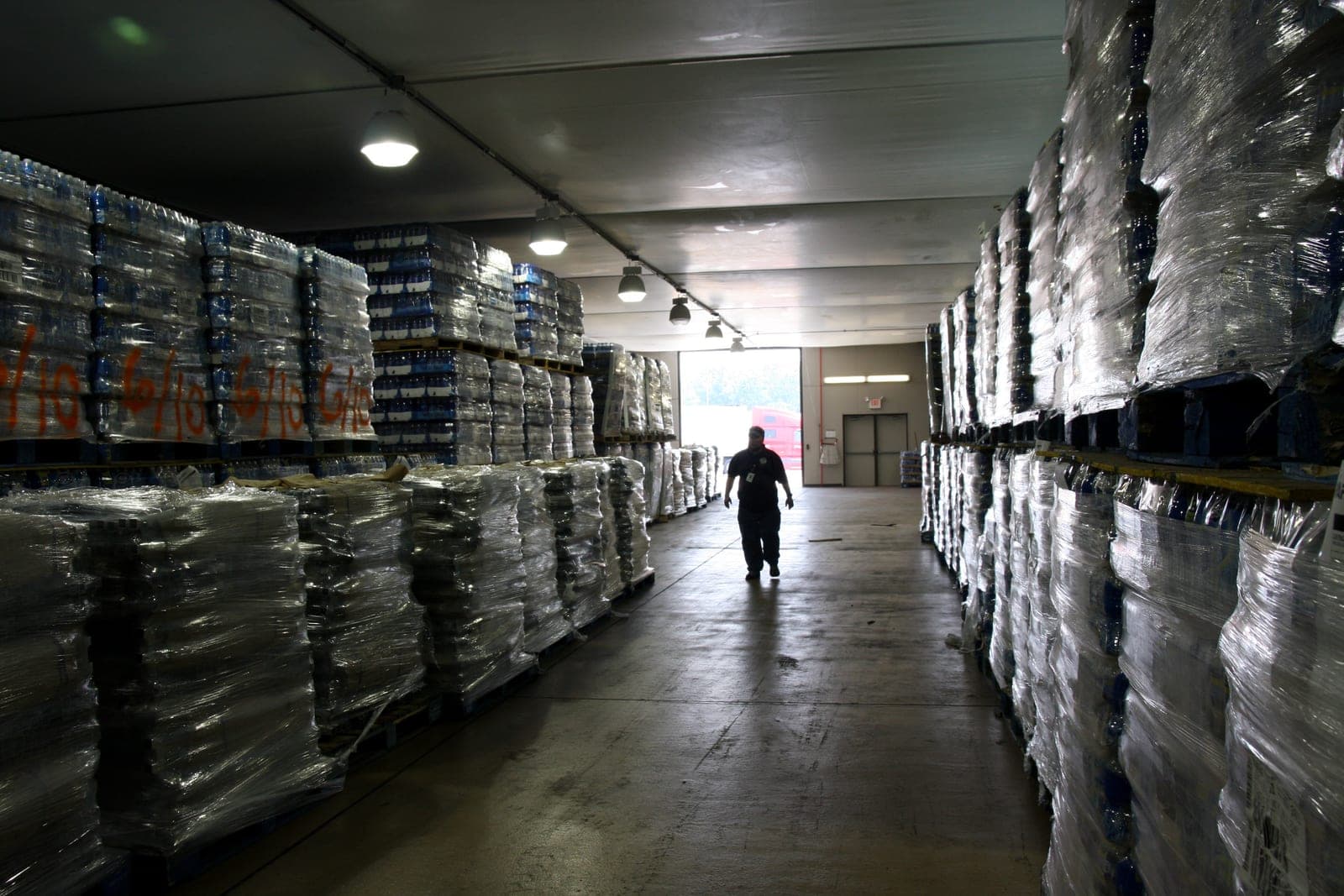
Warehouses in Kansas City, Kansas, Lenexa and the Northland have their own version of the same problem. Appointment requests, receiving notes, inventory questions from clients, and daily reports. An agent can book dock appointments into open slots, send receiving summaries to clients, answer "do you have it in stock?" from your records, and draft the end-of-day report.
Our Ops Agent covers scheduling and daily reports. For a broker or warehouse that needs a client portal or a custom load board, that is a build. Our Solutions page shows what full web applications look like. Freight companies with trucks on the road may also find route optimization software useful.
Where to start with AI for logistics companies in Kansas City
Pick the one workflow that eats the most dispatcher time, usually status updates or POD collection. We map it, write a plan you approve, and build it inside the tools you already use. Before launch, inspector agents and separate AI security agents try to break it.
The agent is built so each action is logged in a record that shows any later edit, so you can see what it did and why. Our guide to AI for small business shows where this fits among the other first steps.

More guides on crews and trucks
- Moving Company Scheduling: Crews, Trucks and Month-End Rushes: crews, trucks and month-end rushes.
- Junk Removal Software: Trucks, Dump Runs and Donation Stops: trucks, dump runs and donation stops.
- Staffing Agency Scheduling Software: Fill Open Shifts Fast: for the staffing partners who fill your warehouse shifts.
Frequently asked questions
How do you use AI in logistics?
Start with the repeat office work: dispatch and status updates, sorting load paperwork and answering "where is my shipment?" questions. Dispatchers keep every decision about loads, drivers and rates.
How is AI being used in logistics?
Mostly to cut the calls and paperwork around each load. It sends updates, files paperwork and answers routine status questions, and it flags anything unusual to a dispatcher.
Will an agent talk to my drivers?
It can read driver check-ins and send simple reminders, like a request for a delivery photo. Anything about routing, safety or pay goes to a dispatcher.
Does it work with our TMS?
Agents work inside the tools you already use. In the consult we look at your systems and tell you plainly what connects and what would need a small build.
Is shipper data kept private?
Yes. Your data is never sold and is shared only with the services that run your agents, and nothing you give us is used to train AI models. Read our security practices.
Next step
Book a free workflow consult. We trace how one load moves through your office, show you where the time goes, and give you a plain-English plan.
About the ScaleAlphaAi team
We are a Kansas City company that designs and builds AI agents and custom software for small businesses, trades and growing firms. We write these guides from our work with owners and office teams: what AI handles well, what stays with your people, and how to start with one workflow.
Meet the team