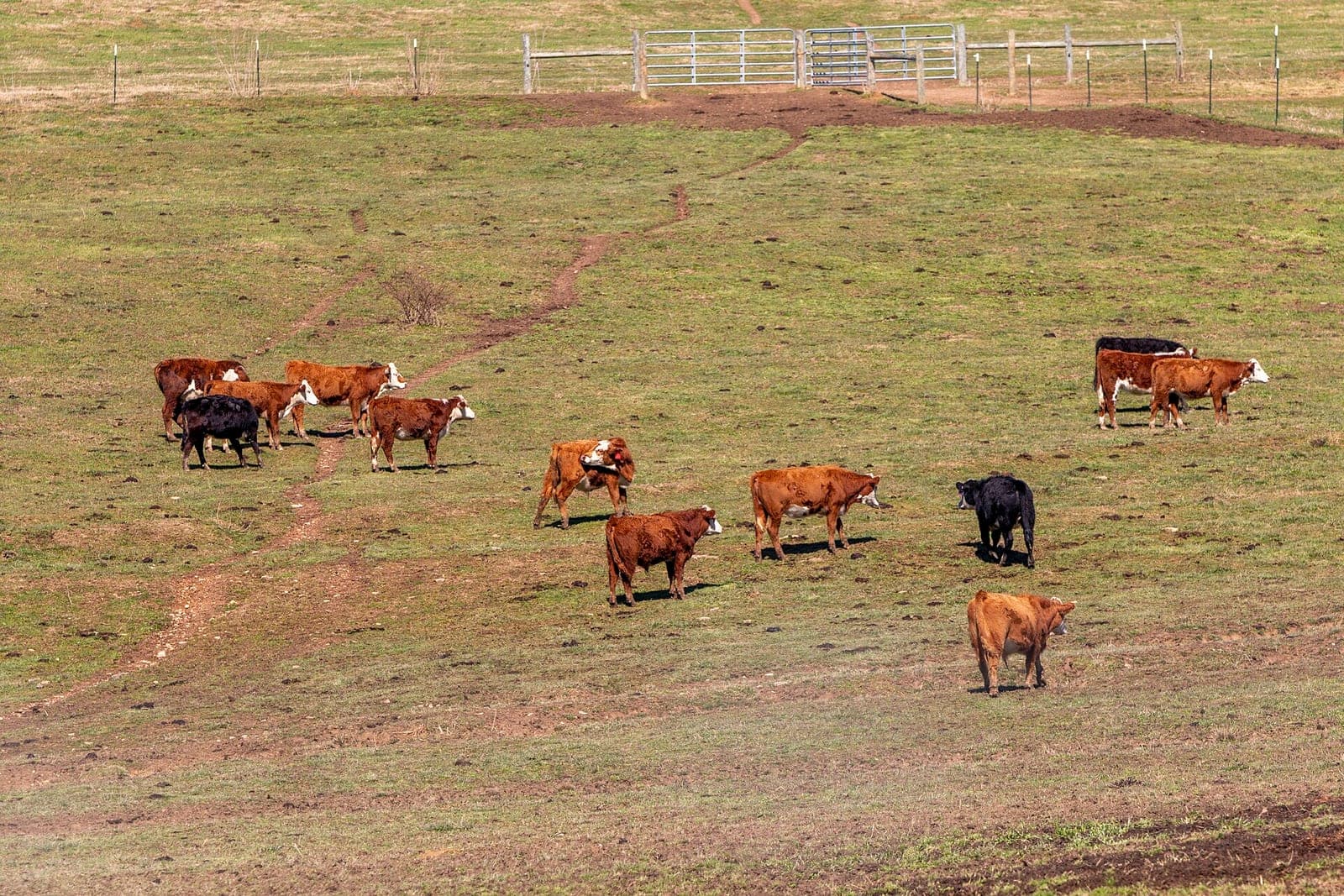
Cattle record keeping software should let a cow-calf ranch write things down where they happen: in the pasture at calving, at the chute on working day and at the scale. On many ranches, calving notes live in a pocket book, weights sit on scale tickets and treatments are scrawled on the barn wall. At sale time, someone rebuilds the season at the kitchen table.
This guide is for cow-calf and stocker operations and family cattle farms, and it shows the app we would build for them. For the wider picture, see AI for small business and our overview of custom software for small business.
What should cattle record keeping software track?
Cattle record keeping software should track each animal by its tag, from birth to sale. That means the dam and sire, the birth date, the pasture it is in, every weight with its date and every treatment with who gave it. Calving notes, pasture moves and the sale-day list all draw from that same record.
A good record for each animal holds:
- Identity. The tag, the dam and sire, the birth date and any notes on the calf at birth.
- Location. The pasture it is in now and the date of each move.
- Weights. Each weight from the scale, with the date it was taken.
- Treatments. What was given, by whom, and the withdrawal end date a person entered.
- Papers. Feed directives and the vet's written instructions, stored with the group they cover.
Where an animal has been matters well beyond the ranch. USDA describes animal disease traceability (opens in a new tab) as knowing where sick and at-risk animals are, where they have been and when, so officials can respond fast. Pasture moves and tag numbers on each record make that history easy to pull. Official ID rules come from USDA and your state veterinarian, and the newer electronic tag rule is in effect but being challenged in court, so check your state's rules before you buy tags.
Why do pocket books and spreadsheets fall short at calving?
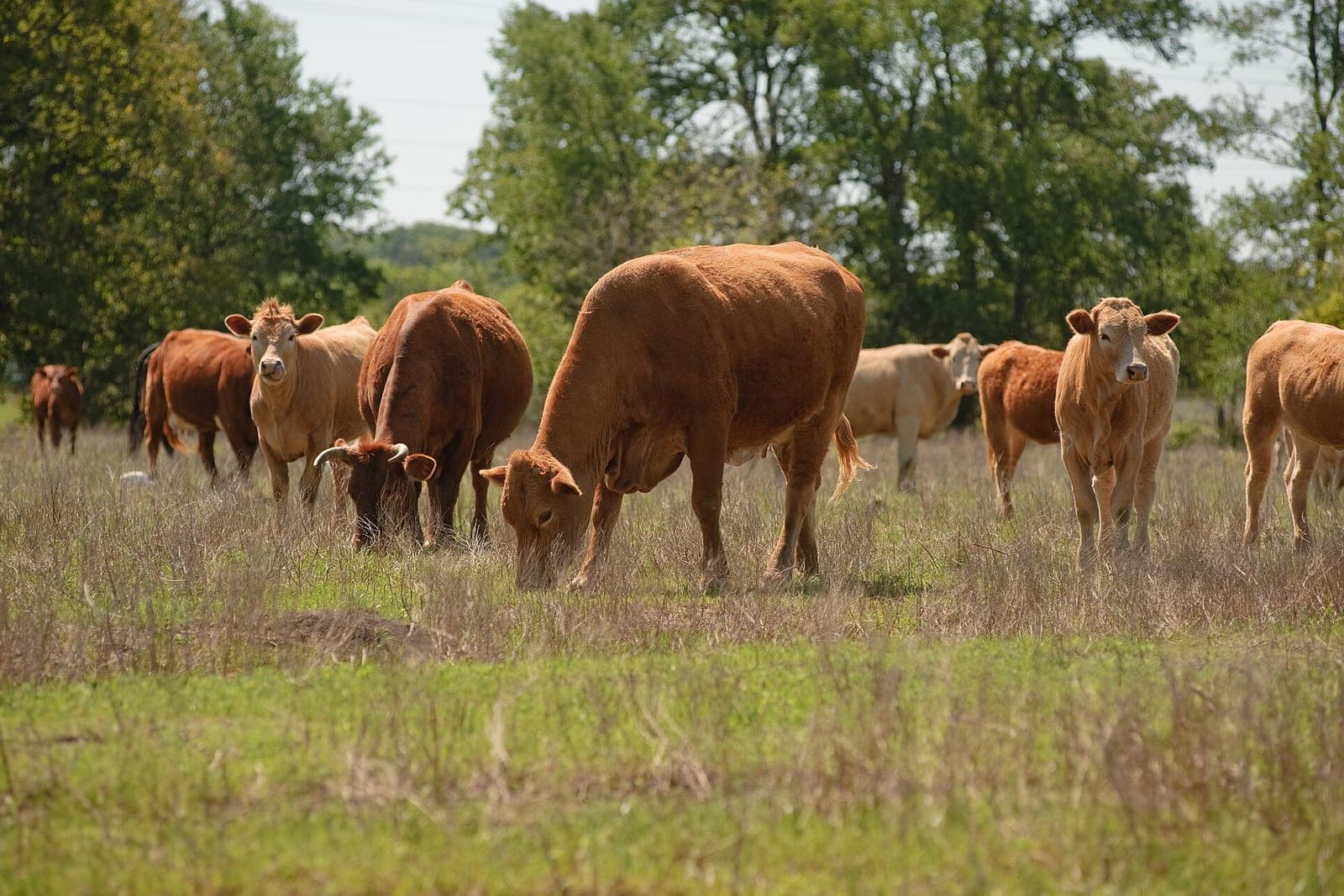
Pocket books and spreadsheets fall short because calving happens at night, in the cold, far from a desk. A pocket book gets wet or lost, a spreadsheet waits on the office computer, and the scale ticket sits in a truck. By sale time the notes are scattered across three places and two people's memories.
The usual tools each leave a gap:
- Pocket books. Quick in the pasture, but nothing ties a calf back to its dam's history.
- Spreadsheets. Fine at the desk, useless at the chute with no signal.
- General farm apps. Built for crops or dairies, they hide the calving log under screens you never need.
- Scale tickets. The weight is right, but someone still has to match it to a tag by hand.
Boxed cattle management software closes some gaps. It rarely follows your pasture names, your working days or the way you sell. Spray logs for pasture and hay ground are a separate job, covered in pesticide application record keeping software.
What we build: tags, calving, weights and treatments
We build one phone-first app where every animal's tag, calving notes, weights, treatments and pasture moves live together. It works in the pasture with no signal and catches up once the phone reaches the house. The Ops Agent drafts the week's follow-up list from the dates people entered, and the rancher approves it.
Animal records by tag
Search a tag and see the dam and sire, birth date, pasture and every weight and treatment on one screen. This is the cattle herd management software core, and every other screen feeds it.
The calving log
At a birth, the rancher taps the dam's tag, adds the calf's tag, the date and a short note, and saves. The phone holds the entry with no signal and syncs later.
Weights from the scale
Weights go in by tag and date at the scale, typed or read from the scale's export. Each animal's weight history shows on its record.
Treatment records
Each treatment record names the product, the animal, the treatment date, the person who gave it and the withdrawal end date. The FDA's guidance on livestock treatment records (opens in a new tab) encourages producers to note the drug, the animal, who gave it and when the withdrawal period ends. A person enters that date from the label or the vet's written instructions, and the app only stores it and flags the animal until the date passes. It never sets a dose or a withdrawal period.
Feed directives and papers
When the vet issues a feed directive, the copy goes on the documents tab for the group it covers. The veterinary feed directive rule (opens in a new tab) says the vet, the feed distributor and the rancher each keep a copy, and the rancher's may be electronic. The app keeps it for the period the rule sets.
Pasture moves and the sale-day list
The rancher logs each move by group or by tag. Before a sale, the Ops Agent drafts a list of tags and recent weights, flags any animal still inside a withdrawal date, and the rancher checks and approves it.
We build this as one of our small-business tools, with a simple login for each hand and a link to the spreadsheet or accounting tool you use now. The package you invest in decides the terms: the right to use the app, or full ownership of it.
This is an illustration, not a customer story. Keaton runs a cow-calf ranch with his sister on rented and family ground. On a cold March night he clips a number on a new calf, taps the dam's tag and saves the entry with no signal. Back at the house the phone syncs. On Monday the Ops Agent drafts a follow-up list that includes a heifer the vet asked to recheck, and Keaton approves it before the week starts.
How does the build run?
The pilot is one calving season or one working season with your crew at the chute. Before that, you approve a written spec of your tags, pastures, record fields and lists. During the season we adjust the screens with the people using them and connect your scale export and spreadsheet once the records match.
The pilot tests the app in real cold, in the dark and in dead zones.
Before the season wraps up, we prove these at the chute and in the office:
- A calving entry saved with no signal syncs once the phone reaches a connection.
- A treatment cannot save without the product, the animal, the person and a withdrawal end date.
- An animal inside a withdrawal date shows on the sale-day list with a flag.
- Scale weights land on the right tag with the right date.
- Every edit to a record shows who made it and when.
Crews that clock in from the field face the same signal problem, as our guide to a time clock app with geofencing shows. Food makers who track lots and recalls need something else, covered in food traceability software.
What stays with the rancher and the vet?
The vet decides every treatment, and the app records the vet's instructions. The rancher decides which animals to keep, sell or move, when to call the vet and what each list says. The app stores dates and flags animals, and the AI drafts lists, but neither one makes a health or sale decision.
- Treatments. The vet decides what to give and for how long; the record holds the written instructions.
- Withdrawal dates. A person enters them from the label or the vet, never the app.
- Sale and culling choices. The rancher decides, using records the app keeps.
- Official ID and papers. Your state veterinarian and USDA set those rules. The app stores copies, and it does not make the ranch licensed or approved by any agency.
Same team. Same jobs. More capacity.
Frequently asked questions
How do ranchers keep track of cattle?
Ranchers track cattle by ear tag, writing down each calf's dam, birth date and pasture, then adding weights and treatments over time. Many still use pocket books and spreadsheets. A cattle record keeping app lets them enter notes in the pasture and holds the history on each tag.
How do you keep a cattle record book?
Give each animal its own line or page by tag number. Write the dam, sire and birth date, then add every weight, treatment, pasture move and sale with the date. Note who gave each treatment and when its withdrawal period ends, and keep feed directives with the group they cover.
What is herd management?
Herd management is the work of running a group of animals well across the year: breeding, calving, feeding, health, moves between pastures and sales. Good records tie those steps together so the rancher can see each animal's history and plan the next season with livestock record keeping software or a book.
What is cattle management?
Cattle management covers the daily and seasonal care of beef cattle, from calving and grazing to working days, vet visits and marketing. On a family operation it also means the paperwork. Ranch management software helps by keeping tags, weights, treatments and moves in one place the crew can reach.
Next step
Book a free workflow consult and bring last season's calving book, a few scale tickets and your treatment notes. We will trace a handful of calves from birth to sale and show where a record had to be rebuilt by hand. We work from the Kansas City metro and meet owners face to face or by video call.
Our standards
- The examples in our guides are illustrations, not customer stories.
- Your AI runs on private and on-premise models, not public AI tools, and nothing you give us is used to train AI models.
- Agents are built so each action is logged in a record that shows any later edit.
- Every call and text opens with a short line saying it is the business's AI assistant, and asking for a person always works.
- Texts go only to people who contacted you or gave you permission, and every message says how to stop.
- If anyone may be hurt or in danger, the only instruction an agent gives is to call 911.
- Depending on the investment package you choose, you get either the right to use the software we build for you or full ownership of it.
- We work from the Kansas City metro and meet owners face to face or by video call.
- Same team. Same jobs. More capacity.
About the ScaleAlphaSi team
ScaleAlphaSi is a Kansas City firm specializing in Advanced AI Engineering. We design and build AI agents and custom software for small businesses, trades and growing companies. Each guide draws on our experience with owners and office teams: where AI delivers, where your people stay in charge, and how to begin with a single workflow.
Meet the team