

Your real estate sphere of influence is everyone who already knows and trusts you: past clients, friends, neighbors and the vendors you send business to. These are the people who send repeat and referral business, yet they are the easiest to forget when the phone is busy with new leads. A light, personal plan for the year keeps you in their minds without turning you into a newsletter.
This guide is for agents who want to stay in touch with their sphere but never find the time. It covers who belongs on the list, a simple year of touches, what a good note says, and where AI helps draft and schedule while you keep the voice. Our AI for small business guide explains the basics, and our real estate AI guide shows where past-client notes sit next to lead follow-up and deal tracking.
Who belongs on your real estate sphere of influence list?
Your real estate sphere of influence list belongs to anyone who would take your call and might send a friend your way. Start with past clients, then add friends and family, neighbors and community contacts, and the vendors you trust and refer. Keep it in your CRM with each person's contact preferences.
A real estate sphere of influence list usually has four groups:
- Past clients, with their closing date, the home's address and anything personal they shared with you, like a new baby or a move for work.
- Friends and family, who already know what you do but may not think of you when a coworker asks.
- Neighbors and community contacts, from your block, your clubs or your gym.
- Vendors and partners, like the inspectors, lenders and contractors you trust and refer.
Keep the list in your CRM, not on your phone. Note how each person wants to hear from you, and whether they said yes to texts. Only people who agreed get texts, and every email has a clear way to unsubscribe, as the FTC's CAN-SPAM rules (opens in a new tab) require of marketing email.
How to keep your real estate sphere of influence warm all year
Plan a handful of touches that feel personal, then let software handle the timing. The goal is a few welcome notes a year, not a weekly blast. Home anniversaries, a seasonal note or two, life-change check-ins and same-day referral thank-yous cover most of a year.
A simple year looks like this:
- Home anniversaries. On the date they got the keys, a short note: "Hard to believe it's been a year in the new place."
- A seasonal note or two. Something useful for homeowners, like a reminder before winter or an invite to a client event.
- Life-change check-ins. When a client tells you their family is growing or a job is moving, a personal note from you. These come from what clients tell you, never from scraping public records or social posts.
- Referral thank-yous, the same day. When someone sends you a friend, thank them that day, by name.
Many agents hope for a past client follow-up script. A note that sounds like you works better, because one that mentions their porch or their dog beats any template. Staying in touch with past clients comes down to this: fewer notes, each one worth reading.
This is different from a one-time win-back push. If you have a stack of old leads that went cold, our guide to database reactivation covers that campaign. Your sphere needs a steady relationship, not a campaign.
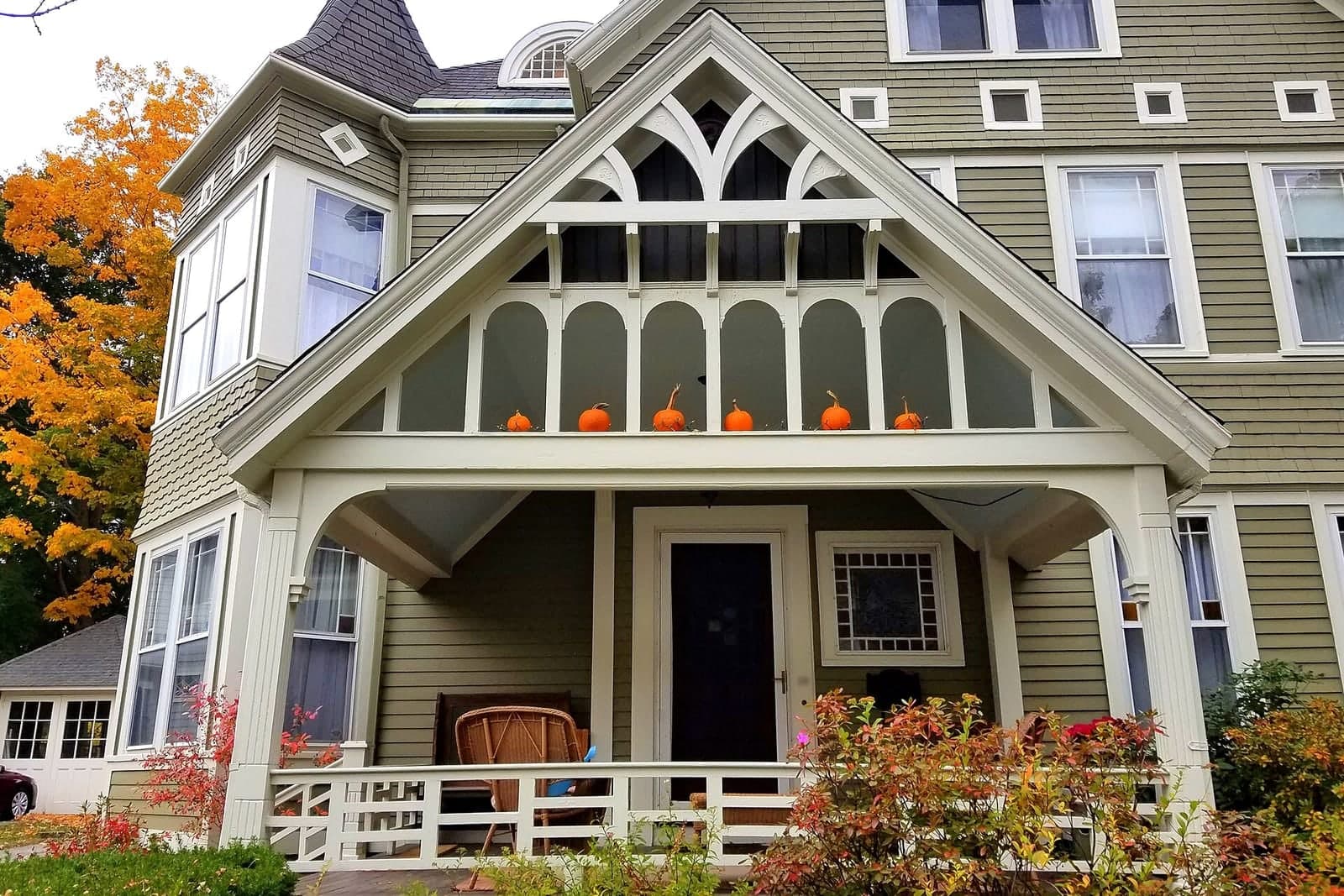
What should real estate letters to past clients say?
Keep each letter short, personal and about them. Mention something specific, offer one useful thing, and close with an open door rather than a pitch. Leave out market statistics, value talk and any pressure to sell or refer, and sign your name only to a note you have read.
Here is a sample home-anniversary note:
"Hi Ines and Theo, it was a year ago today that you got the keys to the house on Elm. I hope the garden came in the way you planned. If you ever need a name for a roofer or a painter, I am happy to share mine. Have a great fall. – Colleen"
A few rules for real estate letters to past clients:
- No market statistics and no "your home is worth" lines. Value conversations are yours, by phone or in person.
- No pressure to sell or refer. A thank-you is enough.
- Sign a note with your own name only after you have read and approved it. Quick replies the AI sends, like confirming a time, say they come from your AI assistant.
A first-snow note for Kansas City homeowners
Kansas City winters arrive fast. One week it is sweater weather, and the next the gutters are full of leaves and the first snow is in the forecast. That makes a great reason to write. Furnace filters, gutters and the water shutoff make a timely, useful note.
A note before the first snow might remind past clients to change the furnace filter, clear the gutters and know where the water shutoff is. Add a short list of local trades you trust: a furnace company, a gutter cleaner, a handyman. Make it your own list, built from people you have worked with, and never a paid placement. Say so in the note.
It is useful, it is local, and it has nothing to do with selling. People remember the agent who helped them get through winter. If a client replies with a question about their home's price, the AI never answers it. It sends the question to you, and you call them back.
Where does AI help, and where do you step in?
The AI does the remembering and the first drafts. You set the voice once, review anything personal, and approve each note before it goes out. Notes about a hard time, value questions, closing money and upset replies always stay with you, not the software.
We can set up the Marketing Agent to track your clients' home anniversaries, draft your seasonal notes in your voice, and line them up in your CRM for a quick yes from you each week. You can see what it does next to the other five on our Starter Upgrades page. For the email side, our guide to AI email marketing explains how drafts and approvals work.
What always stays with you:
- Any note that mentions a death, a divorce, an illness or a hard time. You write those yourself.
- Value conversations and questions about selling, which the AI books as a call.
- Anything about money at a closing. If a past client buys again, remind them yourself that scammers fake wiring emails, and that they should phone the title company at a known number before sending funds. The AI never touches wiring details.
- Replies to anyone who seems upset or confused.
Text only the people who reached out to you or said yes, and honor every opt-out right away. Marketing texts go only to people who agreed in writing, and nothing goes out during quiet hours. FCC rules on telemarketing (opens in a new tab) also bar sales calls to a home late at night and early in the morning.
Your clients' details stay private. The AI can read your contact list and calendar for this job only, and each note it drafts or sends is saved in a log where any later edit shows. It runs on private and on-premise models, not public AI tools; your list never trains AI models, and your clients' data is never sold. The SBA's guidance on AI (opens in a new tab) warns small businesses not to feed sensitive data into AI tools. People stay in charge; the AI just keeps the calendar honest.
A worked example: a year of notes in one afternoon
This is an illustration, not a customer story. Colleen sells homes for Larkfield Realty and has a sphere of past clients, friends and vendors she has not written to in a while.
She spends one afternoon cleaning up her list and marking who agreed to texts. The AI drafts a year of anniversary notes and two seasonal emails, and Colleen edits the voice until it sounds like her. Each Monday, she gets a short list of notes due that week and approves them in a few clicks. When a past client sends her a friend, the AI flags it right away, and Colleen writes the thank-you herself that evening. New leads go into her real estate follow up system, and her sphere stays in her real estate CRM.
Frequently asked questions
What is sphere of influence in real estate?
It is the group of people who already know you: past clients, friends, family, neighbors and trusted vendors. They are the most likely source of referrals and repeat business, which is why agents keep in touch with them on purpose.
How do you stay in touch with past clients in real estate?
Send a few personal notes a year: home anniversaries, a seasonal tip, and a quick thank-you whenever they send a referral. Keep them short and about the client. Software can remind you and draft the notes, and you approve each one.
How do you work your sphere of influence in real estate?
Build the list, note how each person likes to hear from you, and plan a light year of touches. Be useful, not salesy. When someone mentions a friend who is moving, thank them that day and ask whether the friend would like to hear from you.
What should a letter to past clients say?
Mention something specific to them, offer one helpful thing, and leave the door open. Skip market numbers and value talk; save those for a real conversation.
Next step
Book a free workflow consult. Bring your past client list, however messy. We will look at who is on it, how often you reach them today, and what a calm year of personal notes, drafted by the Marketing Agent and approved by you, could look like.
About the ScaleAlphaAi team
We are a Kansas City company that designs and builds AI agents and custom software for small businesses, trades and growing firms. We write these guides from our work with owners and office teams: what AI handles well, what stays with your people, and how to start with one workflow.
Meet the team

