
AI for property management in Kansas City helps most with the three things that never stop: maintenance requests, tenant questions and owner reports. An agent can sort and route every request, answer routine tenant messages at any hour, and draft the monthly owner report from your records. Your managers keep every decision about money, leases, vendors and tenant disputes.
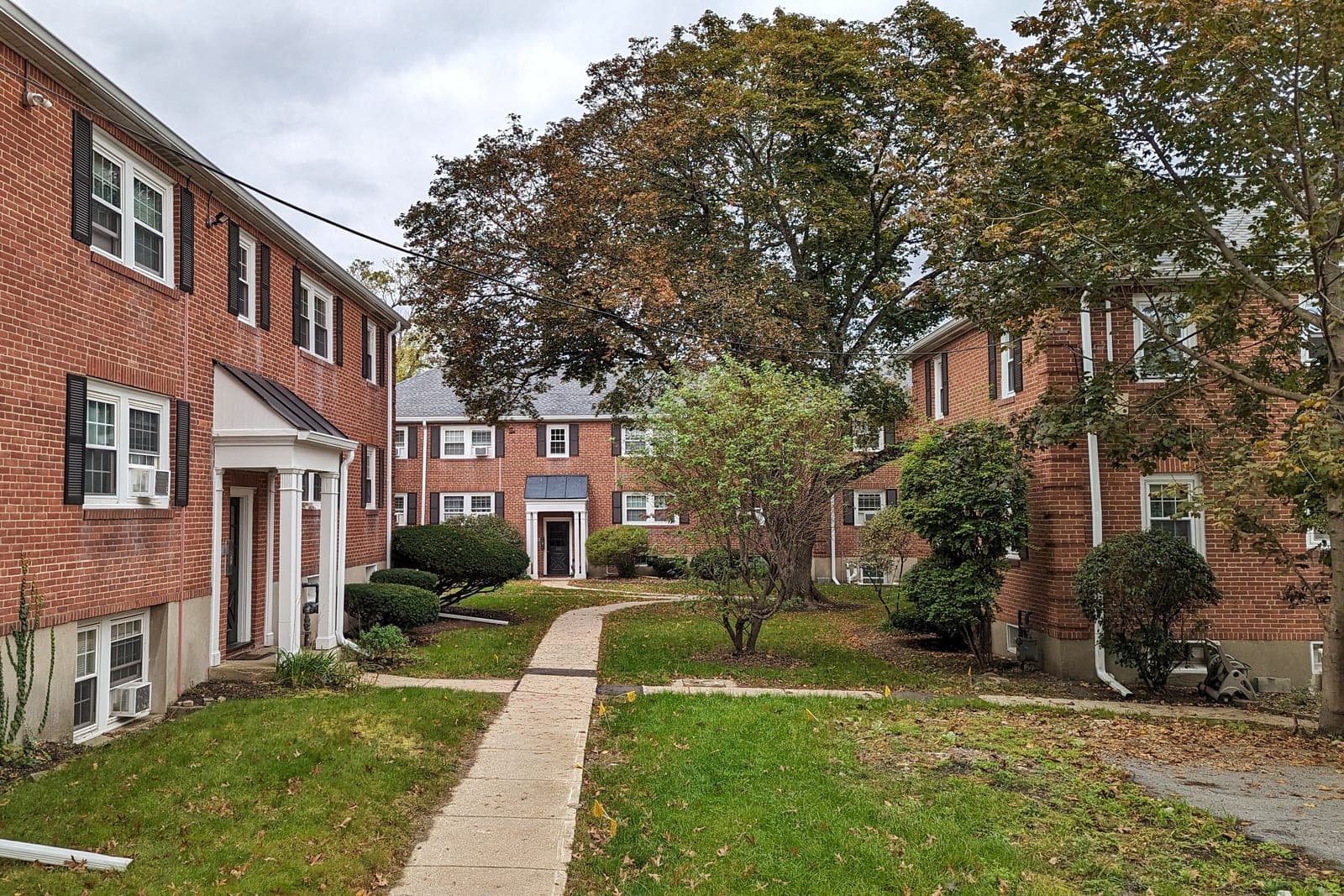
The metro has a little of everything: older brick buildings in Midtown and Kansas City, Kansas, newer complexes across Johnson County, single-family rentals in Independence and the Northland. Whatever your portfolio looks like, the office work follows the same pattern. This guide walks through it.
Why is property management so heavy on repeat work?
Every unit creates a steady flow of small tasks. A tenant reports a leaky faucet. Another asks when rent is due. A third wants to know if they can paint a bedroom. An owner wants to know why their unit is still vacant. A vendor needs the gate code.
Each message is small. Together, they bury a team. And most of them have a known answer or a known next step. That is the kind of work an agent absorbs, so your managers can focus on the conversations that need them.
How can AI handle maintenance requests?
AI handles maintenance requests by collecting the details and photos, sorting each one by your urgency rules, opening the work order and keeping the tenant updated. Maintenance is where tenants judge you, and where most of the back-and-forth happens. A person still approves vendor dispatch and any cost above your limits.
- Collect the request by text, email or your tenant portal, and ask for a photo and the details a tech needs.
- Sort it by urgency using the rules you set. No heat in January or water coming through a ceiling alerts the on-call manager right away, with no waiting.
- Create the work order in the system you already use and suggest the right vendor from your approved list.
- Keep the tenant updated: received, scheduled, tech on the way, done.
- Ask the tenant to confirm the fix, and flag any job that has been open too long.
A person approves vendor dispatch and any cost above your limits. The agent never authorizes spending on its own. Anything involving a flood, a safety risk or an injury skips the queue, and a person is alerted right away. If anyone may be hurt or in danger, the only instruction it gives is to call 911, and it alerts your on-call person at once. For a gas smell, it tells them to leave the building first and call 911 from outside, as federal pipeline safety guidance (opens in a new tab) advises, and it alerts your on-call person at once. Only text people who contacted you or gave you permission, since the FCC's rules on automated texts (opens in a new tab) require consent, and make opting out easy. Our Ops Agent is built for this kind of scheduling and follow-through. For a related look at service work, see maintenance plan software.
Can AI answer tenant questions?
Yes, for the routine ones, such as rent due dates, trash and recycling, key fobs, pet policies and how to give notice. The agent answers from the rules you wrote, any time of day. Lease changes, fee disputes, neighbor complaints and anything legal go to a manager with a short summary.
- When is rent due, and how can I pay?
- Where do I put my trash and recycling?
- How do I reserve the clubhouse or get a new key fob?
- Can I have a pet, and what is the policy?
- How do I give notice?
An agent answers from your lease terms and building rules, in plain words, at any hour. It points tenants to the right form or portal page. When a question touches a lease change, a late fee dispute, a neighbor complaint or anything legal, it passes the thread to a manager with a short summary. Our Customer Agent handles this front-line work with a clean handoff.
How does AI help with owner reports?
Owners want to know how their property is doing. Putting that report together each month means pulling rent rolls, maintenance costs, vacancy notes and open issues from different places. An agent pulls the numbers and drafts the report in your format, and a manager reviews, adds context and signs off before an owner sees it.
An agent can pull the numbers from your accounting and maintenance records, write a short plain-English summary of the month, list the work orders completed and any open items, and draft the report in your format. A manager reviews it, adds context, and sends it. A person signs off on every report and every financial figure before an owner sees it. Our Finance Agent does this kind of prep work, and a person stays on every number.
What about leasing and showings?
Leasing has its own repeat work. An agent can answer questions about available units, share the details you approved, book showings into open times, send reminders, and follow up after a tour. It can also remind tenants about renewals and collect the paperwork.
Screening decisions, lease terms and fair housing questions always stay with a person. The Fair Housing Act (opens in a new tab) bars discrimination in housing because of race or color, religion, sex, national origin, familial status or disability. The agent treats every inquiry the same way, using the answers you wrote, and hands anything unusual to your leasing team.
What stays with your managers?
Rent, fees and deposits, lease terms and notices, tenant screening, vendor spending above your limits and owner payments all stay with your managers. Property management involves people's homes, so these decisions stay human. Safety issues and angry tenants reach a person right away.
- Rent amounts, fees, deposits and refunds.
- Lease terms, renewals, notices and evictions.
- Tenant screening and anything about fair housing.
- Vendor selection and any spending above your limits.
- Emergencies, safety issues, injuries and angry tenants.
- Owner payments and every financial report.
Same team. Same jobs. More capacity. Your managers spend less time typing the same answer and more time solving real problems.
Where to begin with AI for property management in Kansas City
Start with the workflow that creates the most calls, usually maintenance intake. We map how requests move today, write a plan you approve, and build it inside the tools you already use. Before launch, inspector agents and separate AI security agents try to break it.
The agents are built so each action is logged in a record that shows any later edit. If you need a tenant or owner portal of your own, that is a build, and our Solutions page shows the range of options. Our guide to AI for small business covers the ready agents that come before a build.

What does an AI receptionist for property management do overnight?
Overnight, an AI receptionist for property management is built to pick up tenant calls day and night, sort maintenance by urgency using your rules and wake your on-call person only when it should. Everything else is logged and waiting for your managers in the morning.
Every call and text opens with a short line saying it is the company's AI assistant, and asking for a person always works.
Picture one night of calls.
Late in the evening, a tenant calls about a dripping kitchen faucet. The AI takes the unit, the problem and the best time for entry, opens the request and tells the tenant when the office will follow up. Nobody gets woken up.
After midnight, another tenant reports water coming through the bathroom ceiling from the unit above. Your rules call that an emergency, so the AI pages your on-call maintenance contact right away with a summary and tells the tenant a callback is coming. If anyone may be hurt or in danger, the only instruction it gives is to call 911, and it alerts your on-call person at once. If a caller smells gas, it tells them to leave the building first and call 911 from outside, and it alerts your on-call person at once.
Early the next morning, someone driving past a vacancy calls about the sign. The AI shares the unit details you approved and books a showing.
Then an owner calls about an invoice. Owner calls never stay with the AI. It takes a message for their property manager and flags it as the first callback of the day.
We can configure the Customer Agent to handle your after-hours line, page on-call only for true emergencies and leave your managers a sorted list each morning.
More guides for property managers
- Answering Service for Property Management: Tenants, Owners, Leads: tenants, owners and leads on one line.
- Lead Generation for Property Management: Win More Owner Leads: winning more owner leads.
Frequently asked questions
How can AI help in property management?
It handles the three things that never stop: sorting maintenance requests, answering routine tenant questions and drafting owner reports. Managers make every call on repairs, money and leases.
Does it work with our property management software?
Agents work inside the tools you already use. In the consult we look at your systems and tell you plainly what connects and what would need a small build.
Can tenants still reach a person?
Yes. Any tenant who asks for a person gets a page to your team and a quick callback. Emergencies page your on-call manager right away.
Is tenant data kept private?
Yes. Tenant data is never sold and is shared only with the services that run your agents, and nothing you give us is used to train AI models. Each agent gets only the access its job needs. Read our security practices.
Next step
Book a free workflow consult. We look at how requests, questions and reports move through your office, show you where the time goes, and give you a plain-English plan.
About the ScaleAlphaAi team
We are a Kansas City company that designs and builds AI agents and custom software for small businesses, trades and growing firms. We write these guides from our work with owners and office teams: what AI handles well, what stays with your people, and how to start with one workflow.
Meet the team