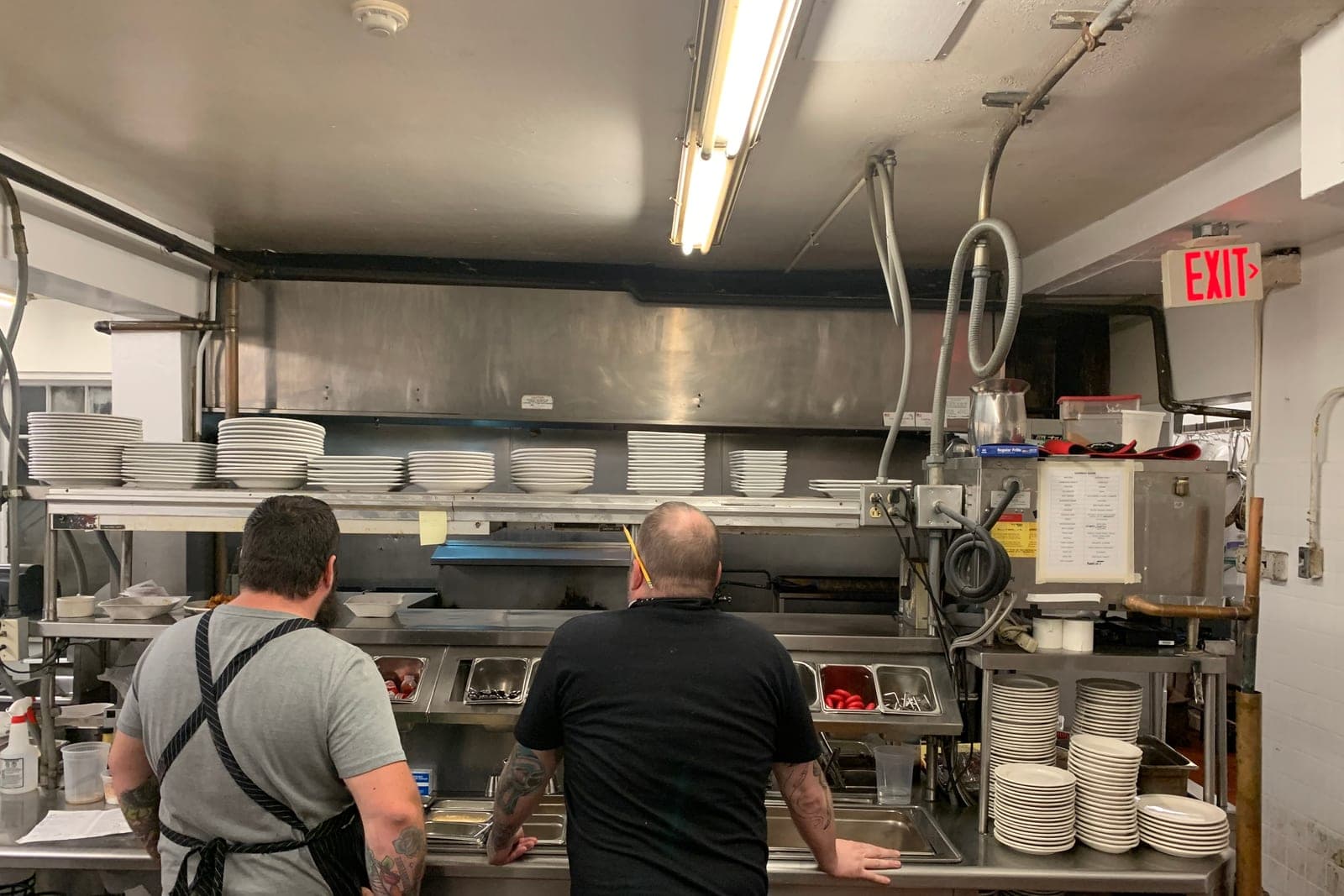
AI for restaurants in Kansas City is most useful away from the line: answering reservation requests, catching catering inquiries before they go cold, drafting replies to online reviews, and sending shift reminders to staff. The food, the guests in the room and every decision about money stay with you and your managers. The agent picks up the messages that pile up while everyone is busy cooking and serving.
This guide covers the four jobs that eat the most manager time in a busy restaurant, what an agent does with each, and what it should never touch.
Why do restaurant owners lose so much time to messages?
The phone rings in the middle of the dinner rush. A catering request lands in the inbox on a Friday night. Two new reviews go up over the weekend. A server texts at noon asking who is covering the closing shift. Every one of those deserves an answer, and every one shows up at the worst possible time.
The answers are mostly the same each time. What time do you have Saturday? Can you do lunch for forty on a Tuesday? Do you have a gluten-free menu? That makes them a good fit for an agent, which never gets pulled away to expo a ticket.
How can AI handle reservation requests?
AI handles reservation requests by checking your booking system, offering open times, booking the table and sending a confirmation and a reminder. Many guests still call or message instead of booking online, and an agent can answer by text, website chat or your social inbox at any hour. Large parties go to a manager.
- Check your booking system for open times and offer them.
- Book the table and send a confirmation.
- Answer common questions about parking, patio seating, the kids menu or allergens, using answers you approved.
- Send a reminder the day before, and free the table if the guest cancels.
Large parties, special requests and anything about a guest's health go to a manager. If a guest asks whether a dish is safe for a serious allergy, the agent shares the menu notes you wrote and passes the thread to a person. It never makes that call on its own. The FDA's food allergy guidance (opens in a new tab) notes that reactions range from mild symptoms to severe, life-threatening ones. Only text people who contacted you or gave you permission, since the FCC's rules on automated texts (opens in a new tab) require consent, and make opting out easy.
Can AI follow up on catering inquiries?
Catering is often the highest-value work a restaurant does, and the easiest to lose. A request comes in, nobody answers for two days, and the customer books someone else. If catering is your whole business, our guides to a catering CRM and AI for wedding vendors and event venues go deeper.
An agent is set up to reply quickly to catering inquiries:
- Thank the customer and ask the right questions: date, number of guests, location, budget range, dietary needs.
- Share your catering menu and the details you approved.
- Build a draft order sheet for your catering manager.
- Follow up politely if the customer goes quiet.
The quote and the final price always come from a person. The agent gathers the details and keeps the conversation warm. Your manager decides what to charge and what you can promise. Our Sales Agent is built for this kind of follow-up, and you can read more in AI lead follow-up in Kansas City.
Should AI reply to online reviews?
AI should draft review replies, and a person should approve them. Replies are public, and they go out under your name. The agent drafts warm replies in your tone, and complaints about food safety or angry guests go straight to a person with no draft.
Here is how that works in practice. The agent reads each new review, drafts a short, warm reply in your tone, and sends it to the owner or manager for a quick look. Five-star reviews get a thank-you. Mixed reviews get an acknowledgment and an invitation to come back. Anything about food safety, an injury, a staff member by name or an angry guest goes straight to a person with no draft at all. Our Marketing Agent handles review drafts and keeps a person on every public reply. For example replies by complaint type, see how to respond to negative restaurant reviews.
How does AI help with staff scheduling reminders?
The schedule is your manager's job. The reminders around it do not have to be. An agent can send each team member their weekly shifts, remind them the day before and collect swap requests, while the manager approves every swap and schedule change.
An agent can send each team member their shifts for the week, remind them the day before, collect swap requests in one place, and tell the manager when a shift is still open. It does not approve swaps or change the schedule. It just makes sure nobody says they did not know. That frees managers from the group-text shuffle and gives them more time on the floor.
What stays with the owner and managers?
Prices, catering quotes, promises to guests, allergy answers beyond your notes, angry guests and every staffing decision stay with the owner and managers. Restaurants run on hospitality and judgment, and those calls need a person who knows the room. The agent only takes the repeat messages.
- Prices, catering quotes and discounts.
- Promises to a guest about a special event or a fix for a bad night.
- Allergy and food safety answers beyond the notes you wrote.
- Angry guests, injury reports and anything about health inspections.
- Hiring, pay, schedules and staff issues.
- Every public post that is not a pre-approved answer.
Same team. Same jobs. More capacity. The agent takes the repeat messages so your people can take care of the guests in front of them.
Does AI for restaurants in Kansas City fit a single spot or a group?
Both. A single neighborhood spot in Lee's Summit or the River Market area usually starts with reservations and catering follow-up. A group with locations in Overland Park and across the metro often adds review drafts and a shared inbox across sites. Either way, it starts with one agent.
For groups, see software for multi-location businesses. The Starter Upgrades page shows the six ready agents and how they work inside the tools you already use. Our guide to AI for small business explains how owners pick the first one.

AI receptionist for restaurants: reservations, hours and catering calls
An AI receptionist for restaurants is built to pick up the host-stand phone during service, so nobody leaves a table to answer it. It books tables, answers the questions guests ask every night and alerts a manager about anything that needs judgment.
Here are the calls it can take in the middle of a Friday rush.
- Reservations and changes. "Table for four at seven?" It checks open times and books the table. It can also move or cancel a booking.
- Large parties. It takes the date, party size and occasion. A manager confirms.
- Hours, parking and the menu. Holiday hours, where to park, whether the patio is open, what is on the kids menu.
- Allergen and dietary questions. It answers only from the notes you approved. If the guest is unsure or the allergy is serious, a manager calls back before anything is promised.
- Catering calls. It collects the event date, guest count and location. Then it sends the details to your catering lead the same day.
To-go orders by phone are their own job; see our guide to a restaurant phone ordering system.
Some calls always go to a person. That means a guest upset about last night's meal, a refund or comp request, vendor and press calls, and any question your notes do not cover. The manager on duty gets a short summary right away, so the guest never repeats the story.
We can set up the Customer Agent, our AI receptionist, to work your restaurant's phone line, book tables in your reservation book and send the catering lead every event inquiry with the details filled in. Every call and text opens with a short line saying it is the restaurant's AI assistant, and asking for a person always works.
More guides for restaurants
- Restaurant Phone Ordering System: AI Takes the To-Go Calls: to-go calls answered during the rush.
- How to Respond to Negative Restaurant Reviews, With Examples: calm replies, with a manager approving each one.
- Catering CRM: From First Inquiry to Final Head Count: every catered event as one record.
- Catering Proposals: Faster Quotes From Your Own Menu: quotes built from your own menu.
Frequently asked questions
How can AI help restaurants?
Mostly away from the line: answering reservation requests, following up on catering inquiries, drafting review replies and sending shift reminders. Owners and managers approve anything that matters.
How are restaurants using AI?
Many start with reservations or catering follow-up, because both bring in money and follow clear rules. Groups often add review drafts and a shared inbox across locations.
Will guests know they are talking to AI?
Yes. Every call and text opens with a short line saying it is the restaurant's AI assistant, and asking for a person always works. If a guest would rather talk to a person, the manager on duty gets a short summary right away.
Does it work with our reservation and POS systems?
Agents work inside the tools you already use. In the consult we check your systems and tell you plainly what connects. If a system cannot connect, we say so before you spend anything.
What if the agent gets an order wrong?
The agent does not take payments or final catering orders. A person confirms those. Calls are recorded and transcribed so our team can follow up, which federal law on call recording (opens in a new tab) generally allows when one party consents, and the agent is built so each action is logged, so you can see what it said and did.
Next step
Book a free workflow consult. We look at where your messages come from, show you which ones go unanswered, and give you a plain-English plan.
About the ScaleAlphaAi team
We are a Kansas City company that designs and builds AI agents and custom software for small businesses, trades and growing firms. We write these guides from our work with owners and office teams: what AI handles well, what stays with your people, and how to start with one workflow.
Meet the team