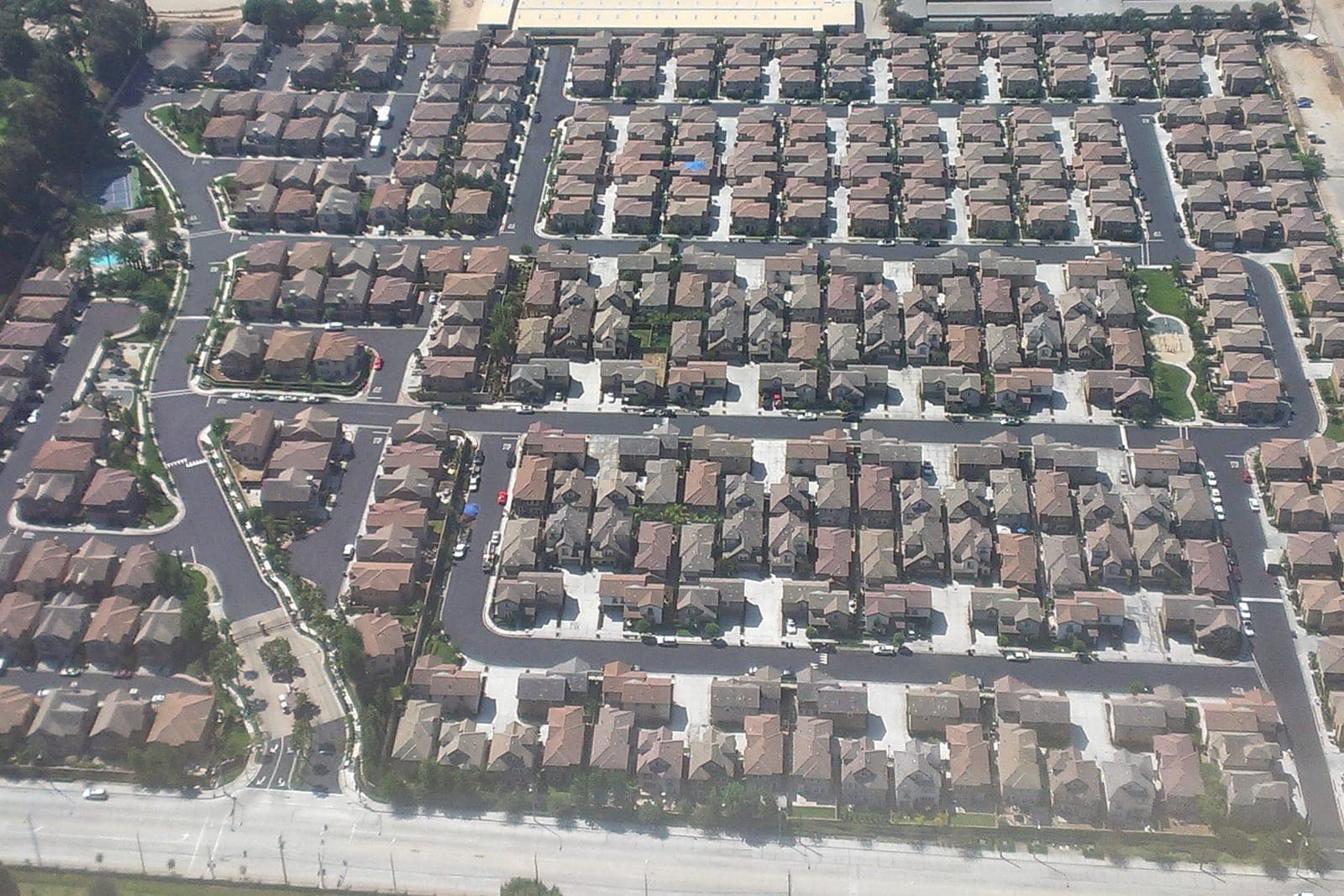
HOA violation tracking software keeps a community's violation record by address: the drive-by photo with its time and location, every letter sent, the owner's reply and how the matter closed. When we build one for your association, it follows the steps in your own declaration and bylaws, so the manager and the board read the same history.
This guide is for community association managers, HOA boards and self-managed associations choosing a tracking tool. It builds on our guides to AI for small business and AI for property management in Kansas City. For the inside of rental units, see inspection software for property managers.
What should HOA violation tracking software record?
HOA violation tracking software should record each violation as its own entry in the home's file: the address, the rule involved, the photo with its time and location, who saw it, each letter sent, the owner's reply and the cure date. Closed matters stay on file, so the board can see a pattern before it votes.
Each file holds:
- The address and the owner of record. When a home sells, the file stays with the address and the new owner's history starts on the sale date.
- The rule. Picked from your own rule list, such as trash bins left out, an unapproved shed or a boat in the driveway.
- The evidence. Photos taken from the street, each carrying its time and location.
- Letters and dates. Every notice, the day it went out, how it was sent and the deadline it gave.
- Owner replies. A call, an email or a letter, logged with the date.
- The outcome. Fixed, extended, sent to the board or closed.
Approvals belong in the same file. Kansas's record keeping rule (opens in a new tab) asks associations covered by its common-interest owners act to keep records such as board minutes and decisions on owners' design approval requests, and to let owners examine and copy them. With approvals on file, a manager can check before a letter goes out about a fence the board already approved. Our guide to fence estimating software covers that approval from the builder's side.
Why do spreadsheets and general HOA tools leave gaps?
Spreadsheets and general HOA tools leave gaps because violations happen in the street while the record lives in an office. A spreadsheet keeps one row per letter, not one file per home. A large management suite can hide violations under accounting screens that a drive-by inspector never needs.
Even a package sold as HOA compliance software may be built for dues and accounting first. The gaps look like this:
- Photos in a camera roll. Nothing ties the picture to an address until someone matches it.
- Letters from a word template. Dates are typed in, and nobody knows which version went out.
- No history by address. Last year's notice about the same shed sits in another file.
- Uneven steps. One manager sends a friendly reminder first, and another skips it.
Trade associations need the dues side without the violations; see chamber of commerce management software.
Common areas run on their own track. Your landscaper's visit reports, the kind our guide to landscape maintenance plans describes, feed the board's work list instead.

What does a custom HOA violation app include?
A custom HOA violation app includes a phone screen for the drive-by, a letter queue on your schedule and a file for every address, built as one of our full web applications. It follows your rule list and your notice steps, so every home in the community is handled the same way.
- Drive-by photo with location. A passenger or a parked inspector takes the photo, and the phone's location suggests the nearest address. The inspector confirms the home and picks the rule.
- Letters on a schedule. Your notice steps, each with its own wait and deadline. When a deadline passes with no fix logged, the next letter is drafted into a queue, and a manager reads and approves it before it goes out.
- History by address. One timeline per home: violations, photos, letters, replies, approvals and outcomes.
- A board view. Open matters by street and by rule, and the ones waiting on a board decision.
The Admin Agent can draft the next letter from your template for the manager to approve, and it never sends one on its own.
You pick the plan: the right to use the HOA violation software we build, or full ownership of it. Owner records stay with the association either way.
How do we build and test it with one community?
We start from a written spec built on your declaration, bylaws, rule list and letter templates, then pilot the app in one community. Your manager and a board member read the spec first. That way the steps match your documents before a single letter leaves the new system.
The pilot community has to show all of this before handover:
- A photo taken at the curb lands on the right address with the right time.
- A passed deadline drafts the next letter, and nothing goes out until a manager approves it.
- A home that changed hands shows the new owner, and older letters keep their original names and dates.
- A community whose documents call for a hearing gets that step before any fine notice.
- The board report matches the open files line for line.
It connects to the management system you already use, so owner names and addresses live in one place.
This is an illustration, not a customer story. Corinne, the volunteer secretary of a self-managed association, gets a complaint about a backyard shed. The address file shows the board approved that shed last spring, so no letter goes out and she sends the neighbor a friendly reply.
What stays with the board and the manager?
The board and the manager keep every decision that matters: whether something is a violation, whether to act, how long an owner gets, whether to hold a hearing and any fine. The app drafts letters and keeps records. It never decides a case, and it never contacts an owner without a person's approval.
The app keeps your steps consistent and on file, but it does not decide whether they meet your documents or state law. Your board and its attorney decide that, along with collections and anything headed to court.
Same team. Same jobs. More capacity.
HOA rules on each side of the state line
Kansas City associations sit under two states' laws, and neither one writes your violation steps for you. Your declaration and bylaws set the day-to-day process, so read them first. Then check which state law applies to your kind of community, because Kansas and Missouri treat associations differently.
Kansas. Kansas's common-interest owners act covers only communities above a size threshold set in the law. Where it applies, Kansas's rule on board discretion (opens in a new tab) lets a board decide whether to take enforcement action, as long as it is not arbitrary or capricious. The act does not spell out a hearing before fines, so your documents set that step.
Missouri. Missouri's condominium law (opens in a new tab) lets a condo association fine an owner only after notice and an opportunity to be heard. That rule is for condos. A Missouri HOA that is not a condo follows its own declaration and bylaws.
Frequently asked questions
How do you handle HOA violations?
You handle HOA violations by following your governing documents the same way for every home. Confirm and photograph the problem, send the notice your documents call for, give the owner time to fix it, log the reply, then close the file or send it to the board.
What can an HOA do about violations?
An HOA can do what its declaration, bylaws and state law allow. That usually starts with a written notice and a deadline, and may include fines or a hearing. In Missouri, a condo association may fine an owner only after notice and a chance to be heard.
How do you enforce HOA rules?
You enforce HOA rules by applying the same written steps to every owner and keeping a record that shows you did. Nobody gets singled out or skips a step. Dated photos, approved letters and board votes on file make enforcement easy to explain.
How do you write an HOA violation letter?
You write an HOA violation letter in plain, polite words that name the address, the rule, what was seen and when, what the owner needs to do, the deadline and how to reply or ask for more time. Attach the photo and keep a copy in the home's file.
What happens if you violate HOA rules?
If you break an HOA rule, you usually get a written notice first, with a date to fix the problem. If it stays unfixed, the association may take further steps its documents allow, such as a fine after any required hearing. The exact path depends on your documents and state law.
Are HOA violations public record?
No, not usually in the way court or county records are. Violation notices are the association's own records. In Kansas communities covered by the common-interest owners act, owners can examine and copy many association records, though the act lets an association hold back some, such as other owners' unit files and pending legal disputes.
Next step
Book a free workflow consult and bring your rule list and a recent violation letter. We will map your notice steps, show how a drive-by flows into an address file, and mark where a board vote belongs. We work from the Kansas City metro and meet owners face to face or by video call.
Our standards
- The examples in our guides are illustrations, not customer stories.
- Your AI runs on private and on-premise models, not public AI tools, and nothing you give us is used to train AI models.
- Agents are built so each action is logged in a record that shows any later edit.
- Every call and text opens with a short line saying it is the business's AI assistant, and asking for a person always works.
- Texts go only to people who contacted you or gave you permission, and every message says how to stop.
- If anyone may be hurt or in danger, the only instruction an agent gives is to call 911.
- Depending on the investment package you choose, you get either the right to use the software we build for you or full ownership of it.
- We work from the Kansas City metro and meet owners face to face or by video call.
- Same team. Same jobs. More capacity.
About the ScaleAlphaSi team
ScaleAlphaSi is a Kansas City firm specializing in Advanced AI Engineering. We design and build AI agents and custom software for small businesses, trades and growing companies. Each guide draws on our experience with owners and office teams: where AI delivers, where your people stay in charge, and how to begin with a single workflow.
Meet the team