Parts ordering software for auto repair shops sends one parts request for a repair order to every vendor the shop uses, then lines up each reply's price, brand and arrival date in one table. The service writer picks the vendor and places the order. Nobody has to call down the list to build a single estimate.
This guide is for independent repair shops and body shops. Our guide to AI for auto repair shops in Kansas City covers the front counter, from booking to status texts. For a wider look at where agents and custom software fit, see AI for small business.
What should parts ordering software track?
Parts ordering software should track every part a repair order needs, every vendor's answer for that part and the purchase your service writer finally makes. When the request, the replies and the choice sit on one screen, the writer compares quotes instead of collecting them. The repair order then shows exactly what was bought.
For each repair order, the table holds:
- The vehicle. Year, model, engine and VIN, so every vendor quotes for the same car.
- The part lines. Each part from the tech's notes, with a part number where there is one.
- Each vendor's reply. Price, brand, original or aftermarket, warranty, core charge and arrival time.
- The pick. Which vendor the writer chose, who chose it and when.
- The arrival. When the part was checked in, and whether it matched what was ordered.
Why does one estimate take so many parts calls?
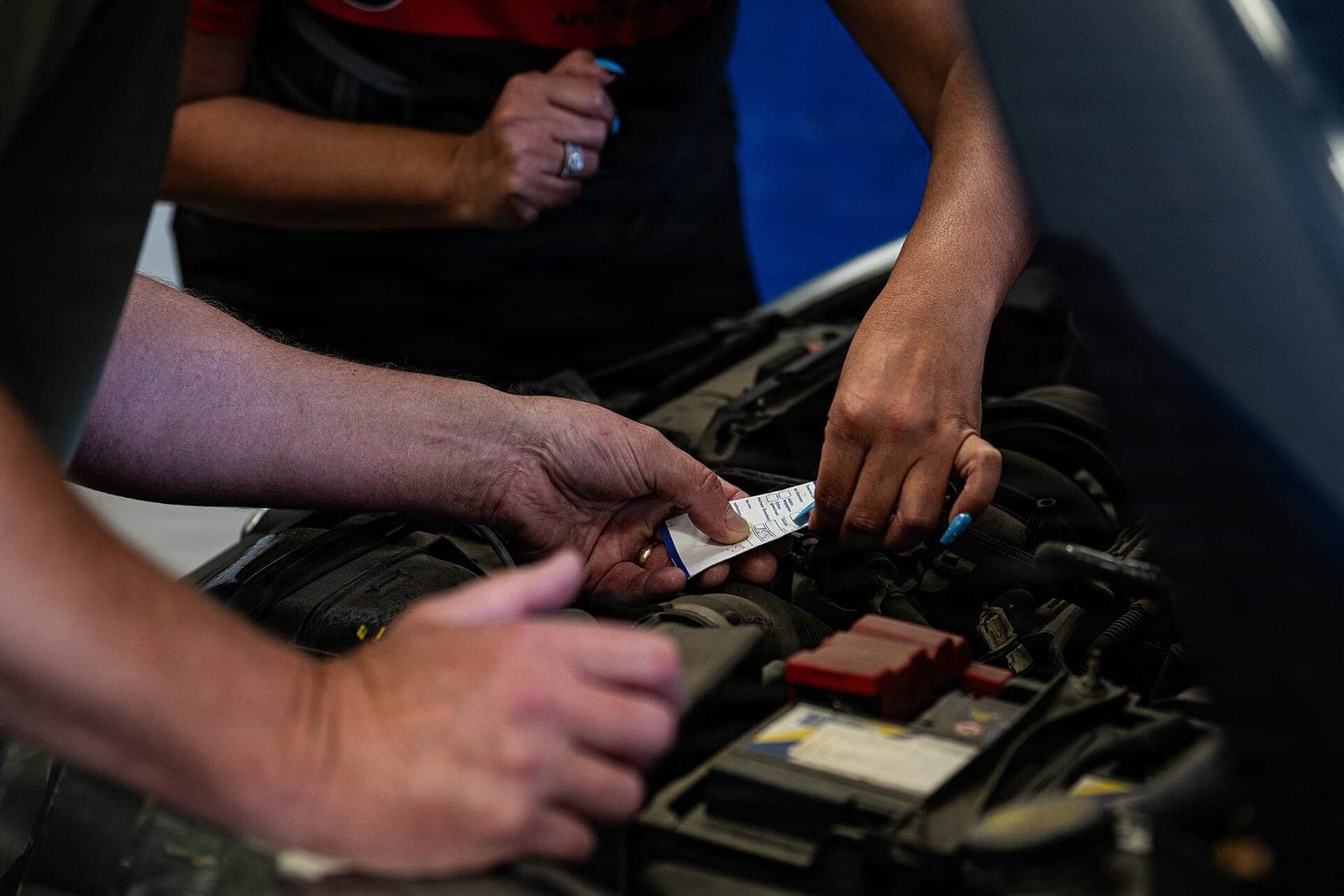
One estimate takes so many parts calls because every vendor keeps its own counter, website and stock. A writer pricing a water pump may try a parts store, a warehouse distributor and a dealer parts counter, one at a time. Each answer lands on a sticky note while the next customer waits at the counter.
Trade articles from a few years back described the same scene: service writers making call after call to vendors for a single estimate. The phone time is only part of the cost. The quotes vanish once the order is placed, so nobody can see later what the other vendors offered.
Ready-made automotive parts ordering software tends to leave four gaps:
- Some vendors, not all. A built-in ordering screen may reach only the vendors that connect to it. The rest still mean a phone call.
- One site at a time. A vendor's website shows its own price and stock, never a rival's.
- No record on the repair order. What was quoted, by whom, and why one vendor won are gone by the end of the day.
- No clean export. Owners want each vendor's prices, late arrivals and returns in one report.
What would we build for your parts counter?
We would build a parts ordering system around your vendors and your repair orders, so one request goes out and every reply comes back to the same table. Your service writers, techs and owner each get a login and see only what their job needs. The writer picks, and the order is logged on the repair order.
That is one of our full web applications, built on these screens:
- Parts request. Made from the repair order, with the VIN and the tech's part lines already filled in.
- Vendor send. One request goes to each vendor, by email or through the vendor's own ordering site where it allows a connection. When a vendor only quotes by phone, your parts person types the answer into the same table.
- Side-by-side table. Price, brand, original or aftermarket, warranty and arrival time for each line, vendor by vendor.
- Pick and order. The writer selects a vendor and confirms the purchase, and the repair order records who bought what, from whom and when.
- Check-in. When the part arrives, a scan or a tap marks it received and wrong parts get flagged for return.
The Ops Agent reads each vendor reply and lines it up in the table. It flags conflicts, such as a part listed for a different engine, an arrival after the customer's pickup time or a price that changed since the quote. It also marks the lowest-priced part that still arrives in time. It never orders on its own; your service writer orders every part.
The picked price flows into the auto repair shop estimate your writer sends, and the arrival time goes to your bay schedule, so a car waits on the lot instead of on a lift.
We offer two kinds of plans: the right to use the parts app we build, or full ownership of it, depending on the investment package you choose. Your repair orders, vendor list and price history stay yours under either one.
How do we build and test it?
The build starts with a written spec of your vendors, how each one takes a request, the fields your writers compare and who may place an order. You approve it before anything is built. Then one service writer runs it on real repair orders with a few vendors while the rest of the counter keeps working the old way.
The app connects to the shop management system you already run, so repair orders and part lines are typed once, where your system allows it. Appliance shops face the same wait on parts, and our guide to appliance repair scheduling software shows how the second visit gets booked once a part lands.
Checks before we hand it over
- One request reaches every vendor on the list, and each reply lands on the right line.
- A reply for the wrong engine or model shows as a conflict, not as an option.
- No order goes out without a named person's pick.
- Every order shows on its repair order with the vendor, the time and the person.
- A checked-in part that does not match the order is flagged before it reaches the bay.
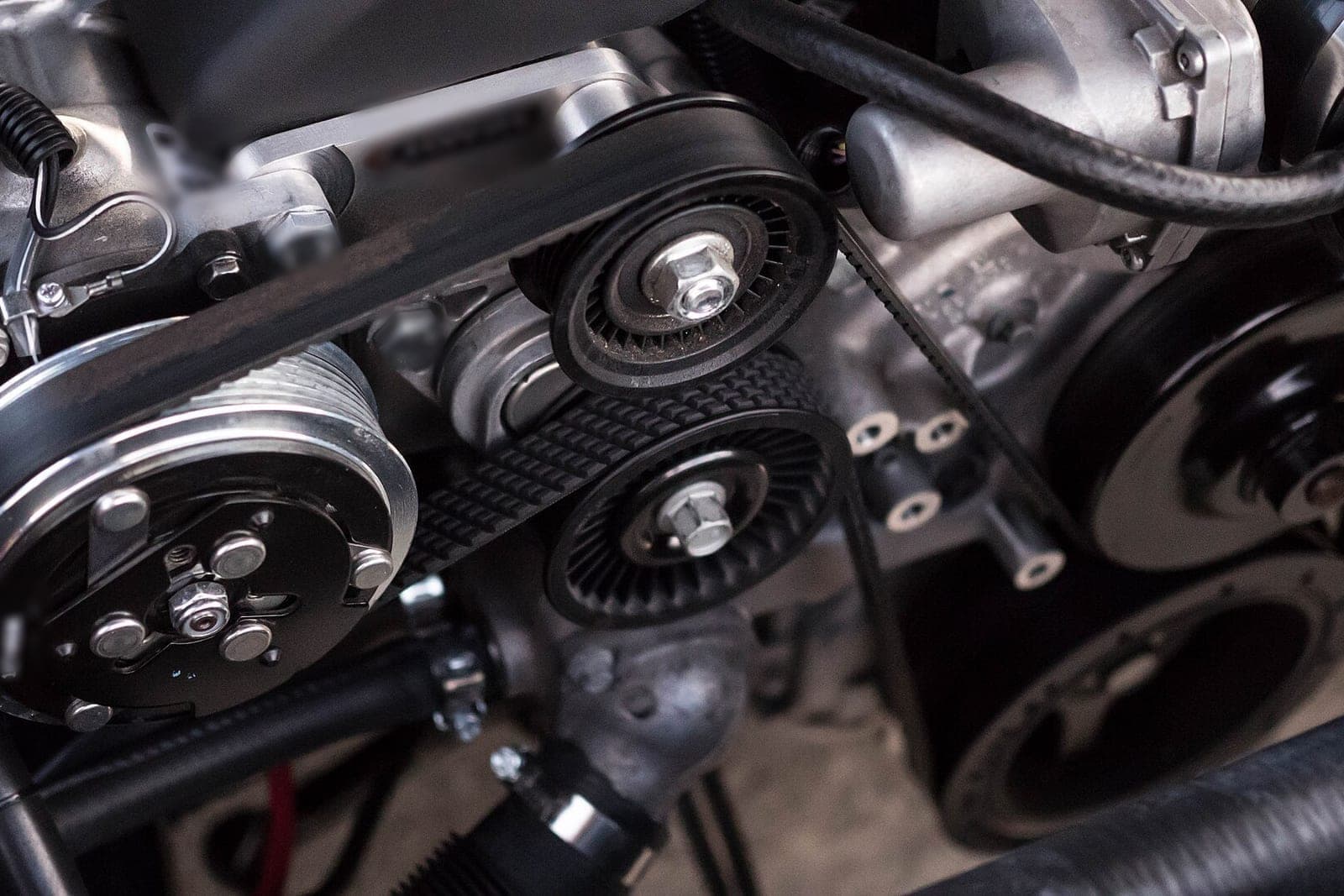
This is an illustration, not a customer story. Vance writes service at an independent shop that sees a lot of pickups. A truck comes in with a squealing belt and a weeping water pump. Vance sends one request to his usual vendors. The Ops Agent lines up the replies, flags that one vendor quoted a pump for a different engine, and marks the lowest-priced pump that still arrives by afternoon. Vance picks a pricier one with a longer warranty, because the customer tows a trailer, and orders it himself.
What stays with your service writer?
Your service writer keeps every choice that touches the customer's car and money. That means which vendor, which brand, original or aftermarket, and what the estimate says. The app gathers the quotes and the Ops Agent flags problems, but the writer weighs fit, warranty and timing against what the customer told them at the counter.
The FTC's auto repair basics (opens in a new tab) tell drivers that a written estimate should name the repair, the parts needed and the expected labor charge. The same FTC page notes that a state may require shops to say when non-original parts are used. The app marks each line's type, and your writer follows your own state's rule.
Under the FTC's guide to auto warranties (opens in a new tab), using aftermarket or recycled parts does not void a vehicle's warranty. The maker or dealer can still deny coverage for damage it proves such a part caused. Your writer, not the app, talks that through with the customer. In paint and body work, auto body shop management software holds the car off the paint schedule until every ordered piece is checked in.
- Fit calls. Whether a part is right for this car is the tech's and the writer's call.
- Price on the estimate. Your writer sets what the customer pays.
- Returns and cores. Who sends back what, and when, stays with your parts person.
Same team. Same jobs. More capacity.
Frequently asked questions
Where do mechanics order parts from?
Mechanics order parts from a mix of vendors, such as local parts stores, warehouse distributors, dealer parts counters for original parts and online catalogs. Many shops keep accounts with several of them and check each one for price and arrival time, which is the step parts ordering software gathers into one table.
How do you compare auto parts prices?
Compare auto parts prices by asking each vendor about the same part number for the same vehicle, then lining up price, brand, warranty, core charge and arrival time side by side. The lowest price can lose to a part that arrives before the customer needs the car back.
What is parts procurement?
Parts procurement is the work of finding, pricing, ordering and receiving the parts a job needs. In a repair shop, that means checking fit for the vehicle, getting quotes from vendors, choosing one, placing the order, logging it on the repair order and checking the part in when it arrives.
Can you look up parts by VIN number?
Yes. Many parts catalogs and vendor sites let a shop search by VIN, which pins down the year, model, engine and trim. A VIN search narrows the choices, but the tech still checks the old part against the new one, since options and mid-year changes can differ.
Next step
Book a free workflow consult and bring a repair order or two from a busy day. We will list the vendors you use and how each one quotes, and sketch the table your writers would compare. We work from the Kansas City metro and meet owners face to face or by video call.
Our standards
- The examples in our guides are illustrations, not customer stories.
- Your AI runs on private and on-premise models, not public AI tools, and nothing you give us is used to train AI models.
- Agents are built so each action is logged in a record that shows any later edit.
- Every call and text opens with a short line saying it is the business's AI assistant, and asking for a person always works.
- Texts go only to people who contacted you or gave you permission, and every message says how to stop.
- If anyone may be hurt or in danger, the only instruction an agent gives is to call 911.
- Depending on the investment package you choose, you get either the right to use the software we build for you or full ownership of it.
- We work from the Kansas City metro and meet owners face to face or by video call.
- Same team. Same jobs. More capacity.
About the ScaleAlphaSi team
ScaleAlphaSi is a Kansas City firm specializing in Advanced AI Engineering. We design and build AI agents and custom software for small businesses, trades and growing companies. Each guide draws on our experience with owners and office teams: where AI delivers, where your people stay in charge, and how to begin with a single workflow.
Meet the team