A roofing maintenance program works when every visit happens on schedule and every report reaches the property manager clean and on time. That means spring and fall inspections booked months ahead, after-storm checks sent out the same week, and a photo report per roof section that turns findings into repair quotes. The roofer judges the roof. The scheduling and paperwork can run without anyone chasing them.
This post is for commercial roofing contractors who look after office buildings, retail strips, warehouses and apartment complexes. It covers what goes into a program, how visits get scheduled, what a good report looks like and where repair work comes from. Our general guide to maintenance plan software covers plans across all trades.
Why maintenance programs slip
Maintenance programs slip because the busy season crowds out the scheduling and paperwork around each visit. Most commercial roofers sell them with good intentions. Then repair work, storm calls and new installs fill the calendar, and the fall inspections on a whole list of buildings drift into December.
The roofer knows those visits matter. The property manager is counting on them. But nobody has time to call each site contact, line up access, assign a crew and build the report afterward. So the visit waits, and so does the next one.
The work itself is not the problem. The scheduling and the paperwork around it are.
What does a commercial roof maintenance program include?
A commercial roof maintenance program includes a set number of inspections each year, after-storm checks, a written report with photos, and minor upkeep like clearing drains. Anything bigger becomes a separate repair quote. Notes on flashing, sealant and rooftop equipment go in the report too.
A typical program covers:
- Spring and fall inspections. A walk of every roof section, looking at the membrane, seams, flashing, penetrations and edges.
- After-storm checks. A visit after hail or high wind, before the property manager has to ask.
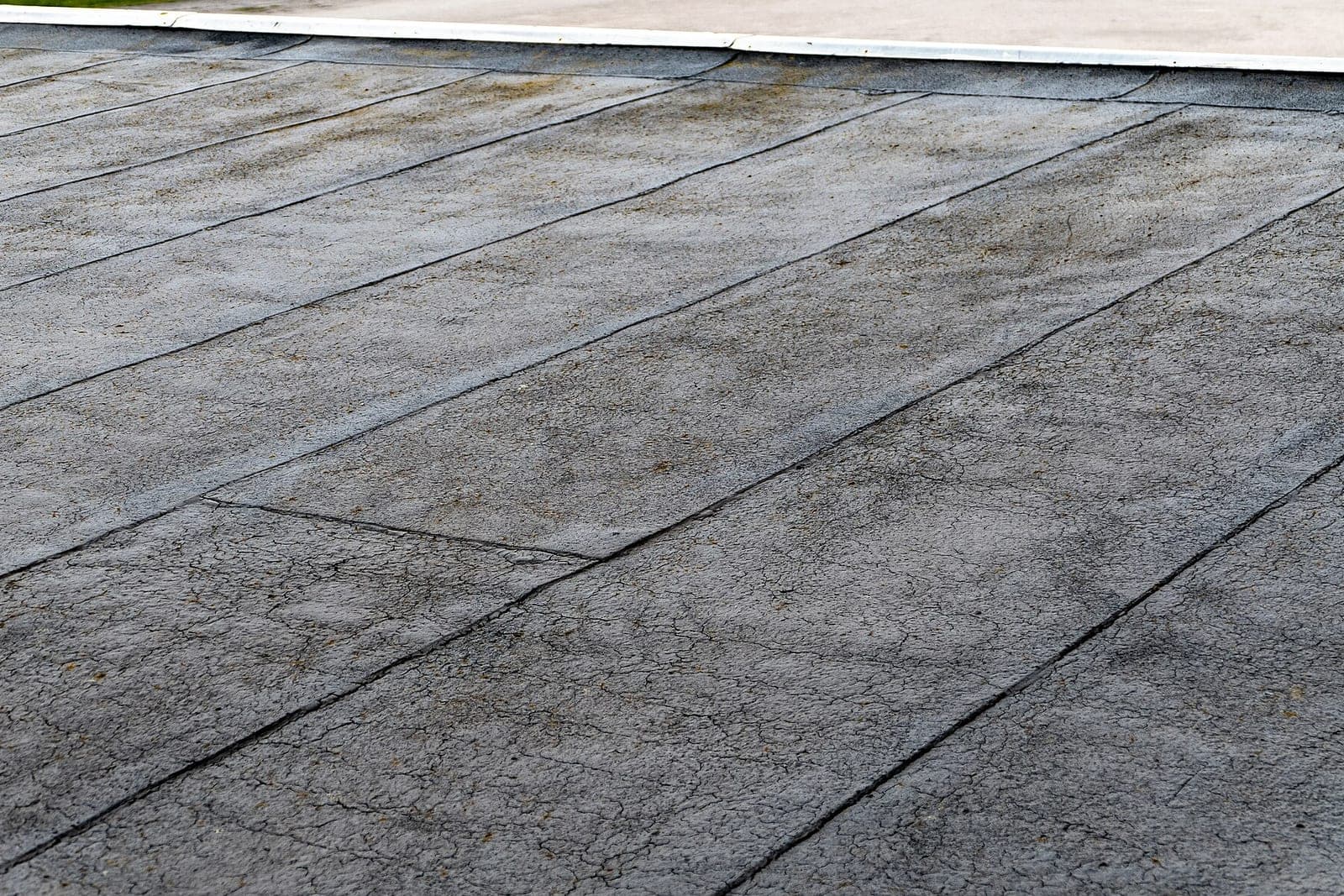
- Drains, scuppers and gutters. Cleared of leaves and debris so water leaves the roof. On low-slope roofs, standing water is where trouble starts.
- Flashing and sealant notes. Where caulk has pulled away at a curb, a wall or a pipe boot.
- Rooftop equipment. Notes on how HVAC units, vents and other penetrations meet the roof.
- A photo report per section. What the roofer saw, where, and what they recommend.
- Repair quotes from the findings. Priced by the roofer, sent with the report.
Some clients ask for roof and gutter maintenance on smaller buildings too. That fits the same schedule, with lighter reports.
How should a roofing company schedule visits across many buildings?
Book the season's visits all at once, grouped by area, then confirm access a few days before each one. The calendar should hold every building, every visit window and every site contact. Each building's access rules, like a locked hatch or tenant hours, belong in its file.
Commercial roofs come with access rules. A roof hatch locked by a building engineer. A retail tenant who wants crews up before opening. A school that only allows visits on certain days. Each building's rules belong in its file, so nobody has to remember them.
We can set up the Ops Agent to book each building's spring and fall inspections, group nearby roofs on the same day, text site contacts to confirm hatch access, and line up after-storm checks for every program roof in the path of a storm. The Ops Agent is one of six Starter Upgrades we set up for service companies. For routing, our post on route optimization software for service companies explains how grouped visits get built into daily routes.
After a hail or wind event, the agent can pull the list of program roofs in the affected area and draft the visit plan. The owner decides the order. Being there first also helps clients, since the FTC's guidance on home repair scams (opens in a new tab) warns that scammers often show up after windstorms and other disasters and tells owners to check licenses and insurance and get written estimates.

What should a roof inspection report look like?
A roof inspection report should have clear sections, real photos and plain notes the property manager can forward to an owner. It should say what was found, where, and what the roofer recommends next. The roofer writes the notes and approves the report before it goes out.
A useful structure:
- Building and date. Address, roof sections inspected, weather that day.
- Summary. A few lines in plain words: overall condition and anything urgent.
- Section by section. Photos with the roofer's notes: a seam opening near the north drain, flashing pulled at the rooftop unit curb, ponding near the east parapet.
- Work done today. Drains cleared, debris removed, minor sealant touch-ups.
- Recommendations. What should be repaired, and how soon in the roofer's view.
- Attached quotes. One per recommended repair.
The roofer writes the notes and judges the condition. The agent assembles the photos and notes into the report layout, sends it to the property manager on the day the roofer approves it, and files it with the building's history. Next year's inspection starts with last year's report in hand. That fits the SBA's guidance on AI (opens in a new tab), which suggests having a person check every message AI writes.
Turning findings into repair work
Findings turn into repair work when the roofer prices each one and the quote goes out with the report. Inspections are where much of a commercial roofer's repair work starts. A seam that is opening this fall is a repair quote now, before it becomes a leak call in March.
The flow is simple: the roofer flags a finding, sets the price, and the quote goes out with the report. If the property manager does not answer, a polite follow-up goes out later. Approved repairs land on the schedule. Billing for the program and the repairs follows, which our post on the roofing invoice covers.
What stays with the roofer
The roofer keeps every judgment about the roof itself. That means the condition of each section, what needs repair and how urgent it is, every price and program term, and anything about leaks, safety or access hazards. Warranty questions, promises about roof life, upset clients and disputes also stay with people.
The agent schedules and assembles. People keep the judgment:
- The condition of every roof and every section
- What needs repair and how urgent it is
- Every price and program term
- Anything about leaks, safety or roof access hazards
- Warranty questions and promises about how long a roof will last
- Upset clients and disputes
Same team. Same jobs. More capacity.
A fall season, sketched out
This is an illustration, not a customer story.
A commercial roofing company runs maintenance programs on a few dozen buildings for several property management firms. In late summer, the agent books every fall inspection, grouping roofs by area and noting each building's access rules. A few days before each visit, site contacts get a text to confirm hatch access.
The crews walk the roofs, clear drains and take photos. The lead roofer adds notes to each section on his phone. That evening the agent assembles the reports. He reads each one, fixes a note, prices two repairs and approves. The reports go to the property managers the next morning with quotes attached.
In October a hailstorm crosses part of town. The agent lists the program roofs in its path and drafts a check schedule. The owner moves a hospital office building to the top, and the crews head out that week.
Frequently asked questions
Can a roofing maintenance program cover residential roofs too?
It can, but the program looks different. Homeowners usually want a yearly check and gutter cleaning, not section-by-section reports. Many roofers run a lighter version for homes.
How do we sell commercial roofing maintenance plans to property managers?
Start with what managers need most: fewer surprise leaks, reports they can forward to owners and visits that happen without reminders. A sample report often does more than a sales pitch.
Will the agent decide which repairs to recommend?
No. The roofer judges every finding and sets every price. The agent only arranges the report and sends what the roofer approved. Nothing goes to the property manager until the roofer signs off.
What if a site contact never confirms access?
The visit stays on the calendar, and your office gets a note to call. Nothing gets canceled without a person deciding. The office can call the site contact, move the visit or mark it on hold.
What is roof maintenance?
Roof maintenance is regular inspection and upkeep: checking for damage, clearing drains and gutters, and writing up small problems before they turn into leaks. In a program, the roofer schedules those visits and sends the property manager a report after each one.
How often to do roof maintenance?
Many commercial programs schedule a visit in spring and another in fall, plus a check after big storms. The roofer sets the schedule for each roof based on its age, type and condition.
Next step
If fall inspections keep sliding into winter, book a free workflow consult. We are a Kansas City metro team and meet commercial roofers in person or by video. In the consult we look at your program buildings, how visits get booked today and how reports reach property managers, then map out a schedule and report flow you can approve.
About the ScaleAlphaAi team
We are a Kansas City company that designs and builds AI agents and custom software for small businesses, trades and growing firms. We write these guides from our work with owners and office teams: what AI handles well, what stays with your people, and how to start with one workflow.
Meet the team