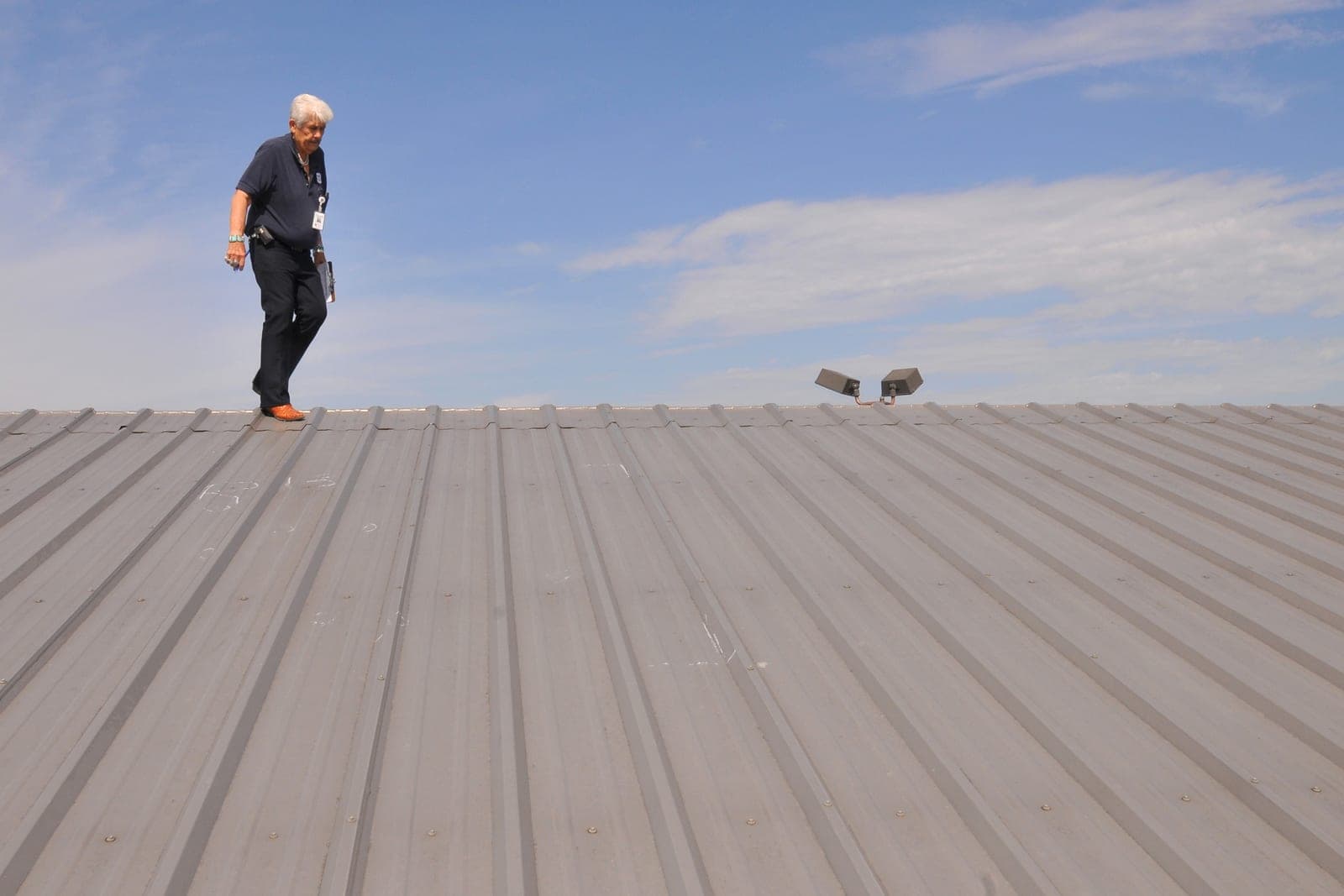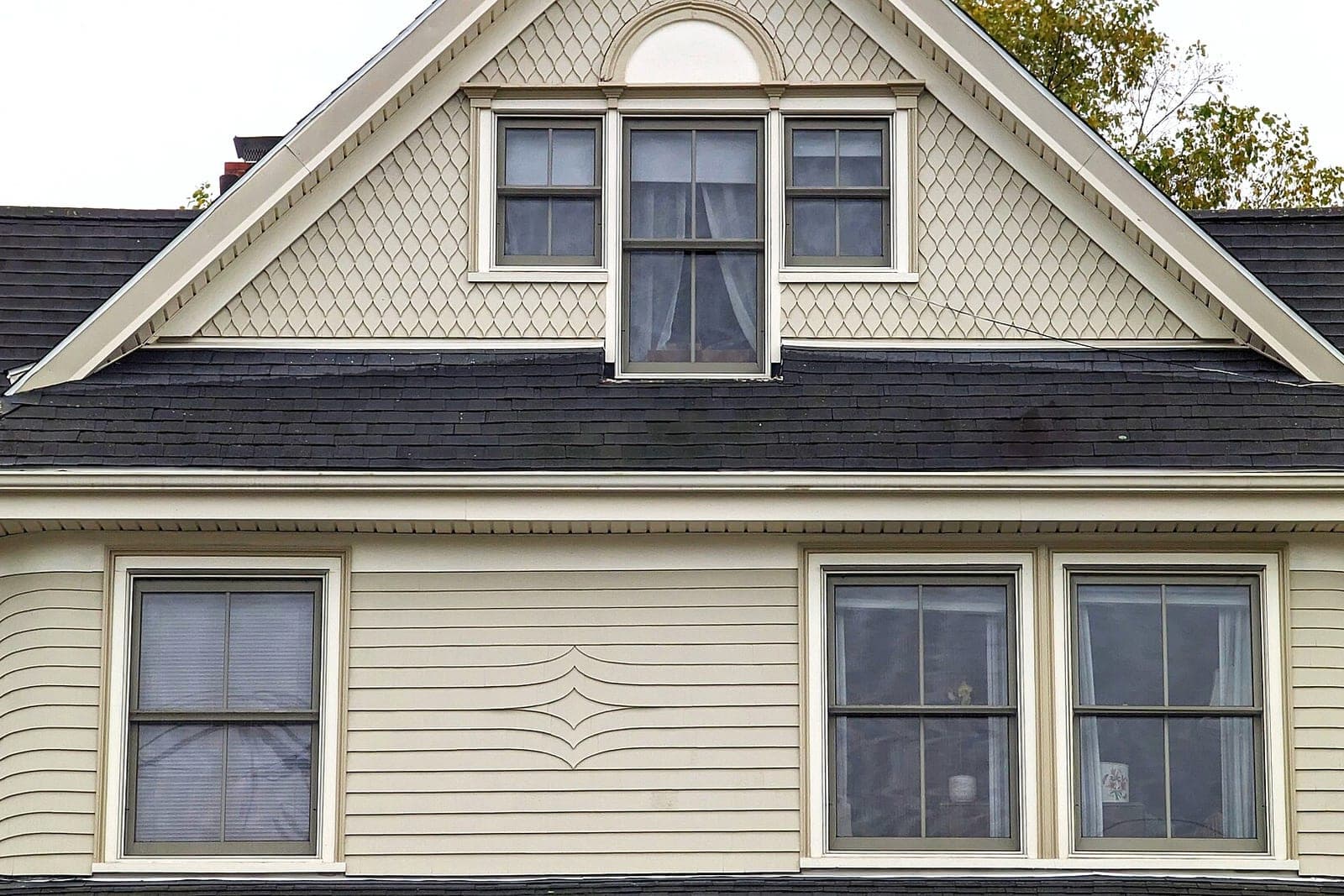
Roofing reviews come best right after the final walk-through, when the yard is clean, the magnets have swept for nails and the homeowner is looking at a finished roof. Ask before that and you ask a customer who still has shingle scraps in the flower bed. A short text with a finished-roof photo and a link to your map listing is usually all it takes.
This post is for roofing contractors who do good work but see thin or old reviews online. It covers timing, the request itself, replying, and keeping your name clean in storm season. For the rest of the roofing office, see AI for roofing companies.
When should a roofer ask for a review?
Ask on the day of the final walk-through, after cleanup is done and the homeowner has seen the roof. That is when they are most pleased and the work is fresh. Send one gentle reminder a few days later, then stop.
Do not ask:
- During the tear-off, when the house is loud and the yard is a mess.
- Before the final walk-through, when a missed nail or a scuffed gutter can still turn up.
- Before cleanup is done, when scraps and nails may still be in the yard.
- Weeks later, when the moment has passed.
A good rhythm is one request on walk-through day and one gentle reminder a few days later. Then stop.
Every customer gets the same review request on the same schedule, in line with the FTC's guidance on asking for reviews (opens in a new tab). If someone raises a problem, a person handles it, and the request still goes out as normal.
What should a roofing company's review request say?
A roofing company's review request should be short, personal and easy, with one text, one photo and one link. Use the homeowner's first name and the crew lead's name, add a finished-roof photo and a one-line thank-you, and say they can reply if anything is not right.
A request that works:
- The homeowner's first name and your crew lead's name.
- A photo of their finished roof, taken at the walk-through.
- A thank-you in one line.
- A link straight to the review form on your map listing.
- A line saying that if anything is not right, they can reply and the owner will call.
That last line matters. It gives any customer with a problem a direct way to reach the owner, and every customer still gets the same review link.
Only text people who contacted you or gave you permission, and make opting out easy.
Why reviews for roofing companies need replies
Reviews for roofing companies need replies because homeowners read how the roofer answered, not just the reviews. A reply to every review, good or bad, shows that a real company is paying attention. The owner approves every reply before it posts.
We can set up the Marketing Agent to watch for new reviews on your map listing, draft a reply to each one in your voice, and send the drafts to you to approve before anything is posted. The Marketing Agent is one of the six Starter Upgrades. For a roofing company, it also drafts the walk-through review request so the crew lead only has to tap send. Our guide to AI review management walks through the whole ask, reply and flag routine.
Replies to good reviews stay short. Thank the customer by first name, mention the job in general words and never share private details like the address or the claim.
What do you do with a bad roofing review?
Call the customer first, then reply in public with a calm, short note. Never argue in the replies. The owner handles every complaint personally, and the public reply thanks the reviewer, says the owner will reach out and shares no private details.
The owner handles every complaint. The Marketing Agent can draft a reply that thanks the reviewer, says the owner will reach out and gives no details. The owner reads it, changes it if needed, and posts it. The real fix happens on the phone or at the house. If the issue gets settled, some customers update their review on their own. Some will not, and that is fine. Never ask a customer to change or remove a review as part of a fix. Readers see that you answered like an adult.
Can you buy or write roofers reviews?
No. Never write reviews or buy them, and don't offer discounts, gifts or credits for reviews. Review sites forbid it and federal rules limit it. Under the FTC's rule on consumer reviews (opens in a new tab), a business can be liable for writing fake reviews, and it can't make a reward depend on a review being positive or negative.
Do not ask friends to post either, or have staff write reviews for the company. Honest reviews from real customers, even a few, build more trust than a pile of fake ones. Just ask every customer the same way, at the same moment.
How do you protect your reputation in storm season?
You protect your reputation in storm season by doing the same things you always do, faster. After a hail or wind storm, calls spike and new crews show up in town. Homeowners are wary, and they read reviews closely. Keep asking every customer, and reply to every review within a day or so.
- Keep asking every customer at the walk-through, even when you are slammed.
- Reply to every review within a day or so.
- Never knock other roofers in replies, posts or on the doorstep. Talk about your own work.
- Answer questions plainly about who you are and how long you have been in the area.
Reviews carry extra weight after a storm, because homeowners are picking someone they have never met. Our post on a CRM for roofing contractors covers tracking every storm lead through to the final walk-through.
What stays with the owner
The owner keeps every complaint and every bad review, plus approval of every public reply. Insurance claim questions, warranty promises, money disputes and anything about safety or damage to the home also stay with the owner. The agent drafts requests and replies, and a person decides what goes out.
- Every complaint and every bad review.
- Approval of every public reply.
- Insurance claim questions, warranty promises and money disputes.
- Anything about safety or damage to the home.
Same team. Same jobs. More capacity.
A busy hail season, one review at a time
This is an illustration, not a customer story. After a spring hail storm, a roofing company runs several crews at once. At each final walk-through, the crew lead takes a photo of the finished roof. The Marketing Agent drafts the review text with the homeowner's name and the photo, and the crew lead taps send before leaving the driveway.
Most customers who reply are happy. One writes back that a gutter was bent. That reply goes to the owner, who sends a crew the next day. The homeowner later posts a kind review that mentions the quick fix. The agent drafts a thank-you reply, and the owner approves it in a few seconds.
Frequently asked questions
How many times should we ask for a review?
Once at the walk-through and one reminder a few days later is plenty. More than that starts to feel like pressure. Every customer gets the same two messages, whatever you expect them to say.
Should the crew lead ask in person too?
Yes, a quick word at the walk-through helps. The text then gives them the link and the photo so it is easy to follow through.
Can the agent post replies without my approval?
No. A person approves every reply before it posts, short thank-you notes included. Complaints always go to you first. That follows the SBA's guidance on AI (opens in a new tab), which suggests having a person check every message AI writes.
How do you ask for reviews?
Ask right after the final walk-through, while the homeowner is happy with the new roof. Send a short text with a direct link, thank them by name and send one gentle reminder if they do not reply. Never offer a reward for a review.
Next step
If your reviews do not match your work, book a free workflow consult. We work out of the Kansas City metro and meet roofing owners in person or by video. In the consult we look at when your crews ask today, how replies get written and where storm-season requests fall through.
About the ScaleAlphaAi team
We are a Kansas City company that designs and builds AI agents and custom software for small businesses, trades and growing firms. We write these guides from our work with owners and office teams: what AI handles well, what stays with your people, and how to start with one workflow.
Meet the team