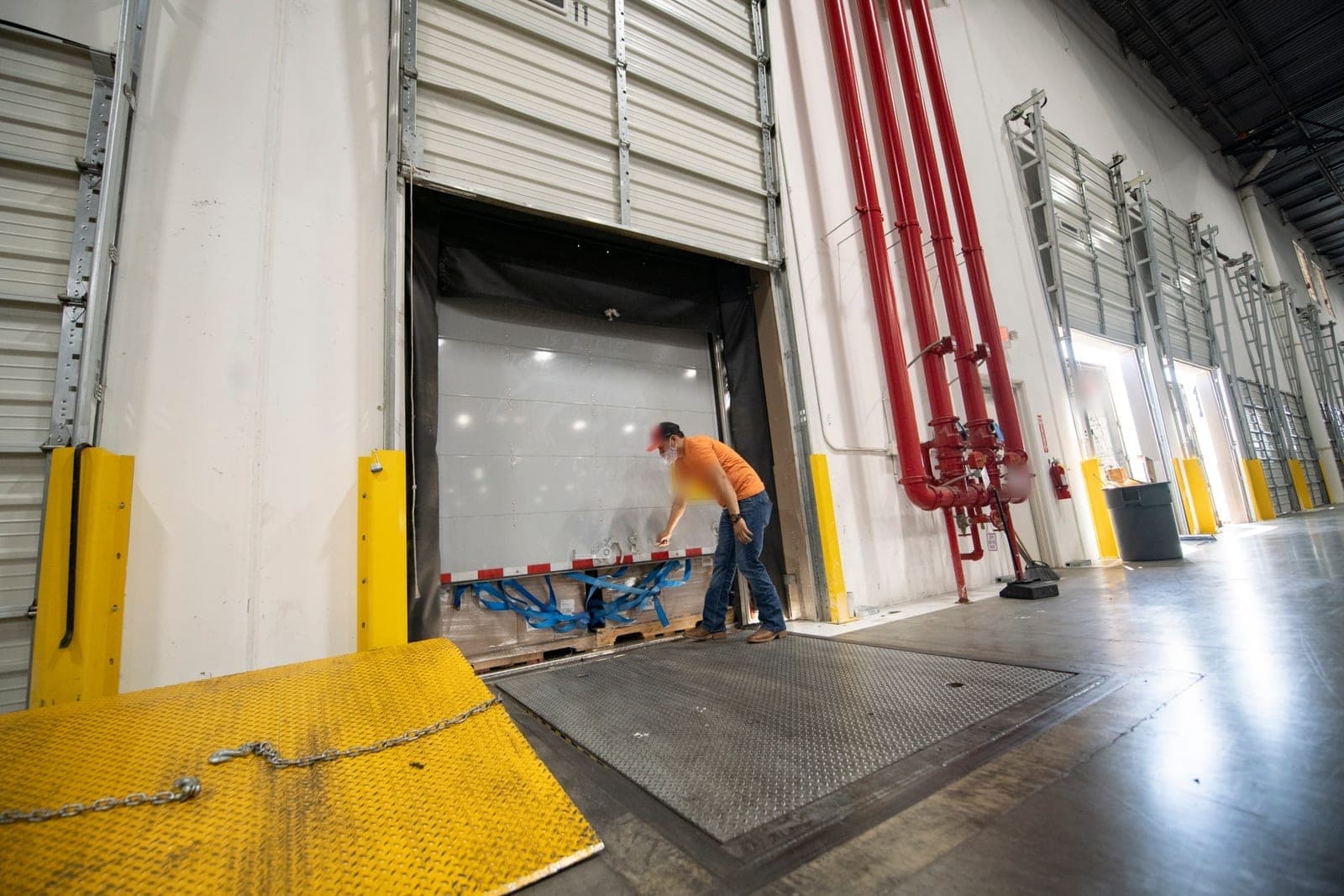
Trucking detention pay is the money a broker or shipper agrees to pay a carrier when a truck is held at a pickup or delivery past the free time on the rate confirmation. It is a contract term, set by the rate confirmation or your carrier agreement. A claim holds up when the carrier can show when the truck arrived, when it left and who signed for the load.
This guide is for owner-operators and small carriers who bill brokers. It covers the records a claim needs and the app we would build to keep them. For the wider office picture, read our guide to AI for logistics companies in Kansas City. For where software and agents fit in any business, start with AI for small business.
What records back up trucking detention pay?
The records that back up trucking detention pay are the arrive time, the leave time, the place, the signed paperwork and the free time on that load's rate confirmation. A broker checks each claim against those facts. When they sit together on one stop record, made while the wait happens, the claim is hard to wave off.
Today the proof is often a time scribbled on the bill of lading. Owners on trucking forums tell the same story. The driver wrote the times down, the broker wanted more, and hours of waiting went unpaid.
A stop record that holds up carries five things:
- Arrive and leave times, by location. Stamped when the truck reaches the lot and when it pulls out.
- Check-in and release. Some terms count from check-in, so that gets its own tap. Sites holding client stock keep receiving records in small warehouse management software.
- Photos of the paperwork. The signed bill of lading and any times the dock writes on it.
- The load's terms. Free time and detention terms from that rate confirmation.
- A short note. Why the truck sat, such as a late dock or freight that was not ready.
A DOT Inspector General review (opens in a new tab) found that most of the industry measures detention only as time past the limit in shipping contracts. So the detention time trucking companies can claim starts where the free time in the contract ends.
Why do bill of lading notes and generic apps leave gaps?
Bill of lading notes and generic trucking apps leave gaps because neither ties a time to a place, a photo and that load's own terms. A handwritten time is the driver's word against the dock's. A generic app may log a location, but it cannot read your rate confirmation or build the packet a broker asks for.
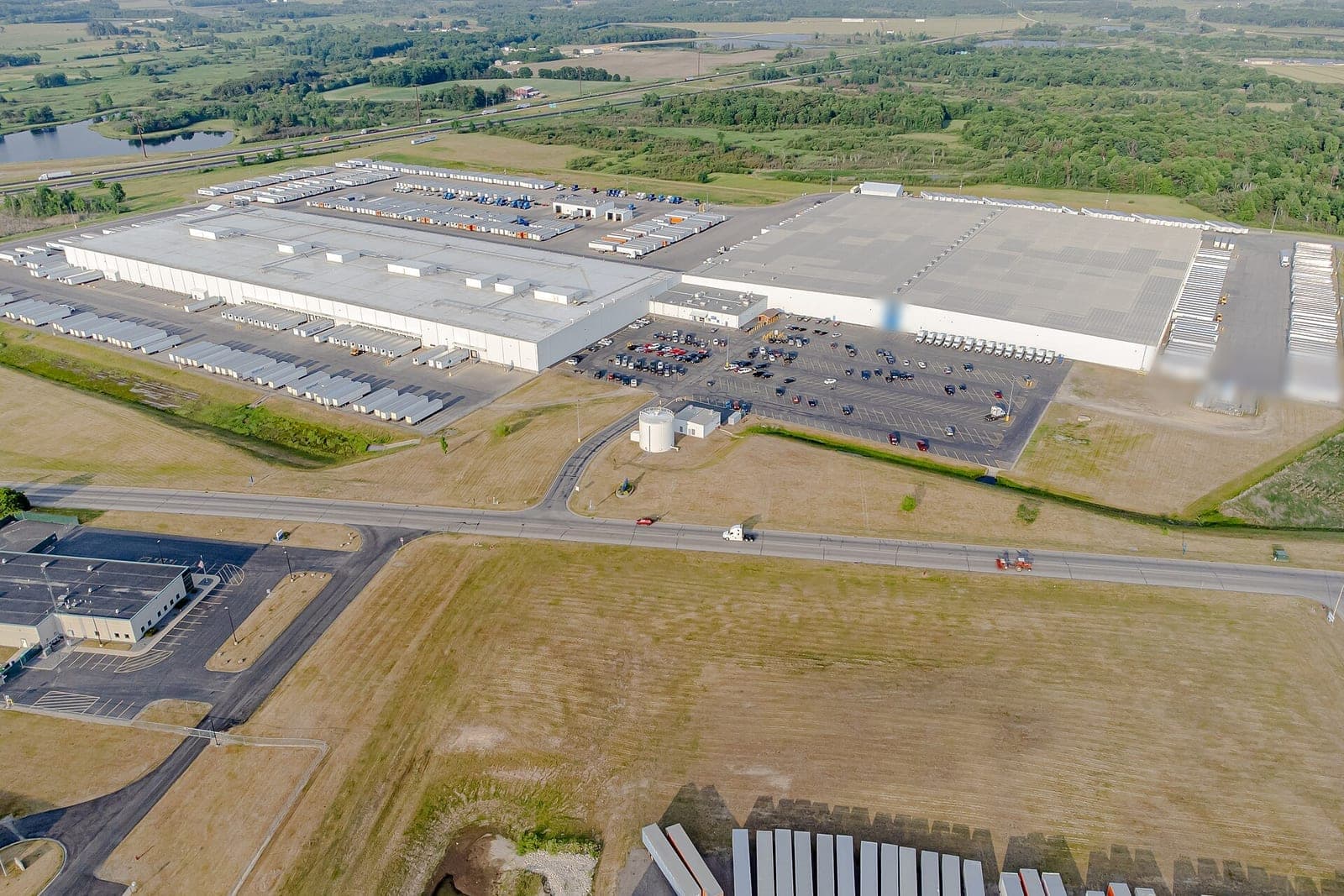
Four gaps come up again and again:
- No signal at the dock. Each stop must save on the phone and send once the truck is back in range.
- Edits nobody can see. A changed time should show the old time and who changed it.
- The wrong fields. A general fleet app tracks miles and fuel, not free time and check-in.
- No clean packet. A broker wants one file per stop, not a pile of screenshots.
Your electronic logging device still records duty status, and this app never stands in for it. Shippers see the same wait from their side of the dock, as our guide to AI for Lenexa businesses shows.
What would we build for your detention claims?
We would build a detention claims app as one of our full web applications, with a driver screen, an office screen and a claims board that all write to one stop record. Drivers, dispatch and billing each get their own login. Every tap carries a time and a place.
- Driver stop screen. Arrive, check in, loaded, leave. The driver taps only while parked, and a missed one gets a prompt when the truck leaves the lot.
- Paperwork photos. The signed bill of lading, attached to its stop.
- Rate confirmation terms. Your office enters the free time and detention terms for each load. The app counts the wait against those terms only.
- Claim packet. One PDF per stop with times, a map pin, photos, terms and the count, ready the same day.
- Claims board. Every claim by broker, marked drafted, sent, paid or disputed.
The Finance Agent drafts each claim packet and its cover email from the stop record, then follows up on claims that sit unpaid. Your dispatcher or the owner approves every claim before it reaches a broker.
Depending on the package you choose, you get the right to use the app we build or full ownership of it, and your load records stay yours either way.
How do we build and test it?
We start with a written spec of your stop screens, your claim packet and who may edit a time. You approve it before we build. Then a few trucks run the app on real loads as a pilot while the rest of the fleet keeps its routine, and we fix whatever drivers and the office find.
The app can connect to your dispatch system or accounting software, so a paid claim shows up where your books live. The same location pings can feed a live status link for each load, so brokers see where the truck is without a call.
What we test before we hand it over
- A stop logged with no signal reaches the office once the truck is back in range.
- Arrive and leave times match the map pin for that stop.
- An edited time keeps the old entry, with who changed it and when.
- The count uses only the free time entered for that load.
- The claim packet matches what the stop screen shows.
This is an illustration, not a customer story. Thea runs a small carrier and does her own dispatch. During the pilot, one of her drivers waits most of an afternoon at a grocery warehouse. The packet shows the times, the signed bill of lading and the free time. Thea reads it, approves it and sends it to the broker before supper.
What stays with you and your dispatcher?
You and your dispatcher keep every call that touches money and relationships: whether a wait is worth pursuing, which terms to accept, how hard to push a broker and when to let a claim go. The app keeps the facts straight and the Finance Agent drafts the paperwork, but a person signs off on every claim.
- The terms. You agree to free time and detention terms before the load.
- Disputes. When a broker pushes back, a person picks up the phone.
- Steady freight. Whether to claim from a broker who sends steady loads is a business call.
- Time edits. Only a named person can change a logged time, and the change stays on record.
Under the federal definition of on-duty time (opens in a new tab), time a driver spends waiting at a shipper's facility to be dispatched, or loading and unloading, counts as on-duty time. A slow dock eats into the driver's day as well as your margin.
Same team. Same jobs. More capacity.
Frequently asked questions
What is detention pay in trucking?
Detention pay in trucking is money a carrier collects from a broker or shipper when a truck is held at a pickup or delivery longer than the free time agreed for that load. The free time and the pay come from the rate confirmation or the carrier's contract, so they differ from load to load and broker to broker.
What is detention time in trucking?
Detention time in trucking is the time a truck waits at a shipper or receiver after the free time on the rate confirmation runs out. It is counted from arrival or check-in until the truck is released, depending on the terms you agreed to. That wait generally counts as on-duty time for the driver.
How does detention pay work?
Detention pay works through the terms on each load, so the detention pay trucking companies collect varies. The rate confirmation sets the free time and what the broker pays after it. When a truck waits longer, the carrier sends a claim with arrive and leave times and signed paperwork, the broker checks it with the shipper, and the pay is added to that load's settlement.
When does detention pay start?
Detention pay starts when the free time on your rate confirmation runs out. The clock usually starts at arrival or check-in for an on-time appointment, and a late arrival can void the claim under many terms. Each broker writes its own rules, so read them before you accept the load.
How do you request detention pay?
Request detention pay by telling the broker when the free time is close to running out, then sending a claim with the arrive and leave times, the location, the signed paperwork and the load number. Send it the same day, while everyone still remembers the stop, and keep a copy with the load record.
Is detention pay mandatory?
Generally not. Detention is a contract term, owed when the rate confirmation or your contract says so, which is why the terms on each load and the proof behind each claim matter so much. Read every rate confirmation for its detention terms before you accept the freight.
Next step
Book a free workflow consult and bring a few recent rate confirmations and the notes from a long wait. We will walk through how a stop gets logged today, where claims stall and what your brokers ask to see before they pay. We work from the Kansas City metro and meet owners face to face or by video call.
Our standards
- The examples in our guides are illustrations, not customer stories.
- Your AI runs on private and on-premise models, not public AI tools, and nothing you give us is used to train AI models.
- Agents are built so each action is logged in a record that shows any later edit.
- Every call and text opens with a short line saying it is the business's AI assistant, and asking for a person always works.
- Texts go only to people who contacted you or gave you permission, and every message says how to stop.
- If anyone may be hurt or in danger, the only instruction an agent gives is to call 911.
- Depending on the investment package you choose, you get either the right to use the software we build for you or full ownership of it.
- We work from the Kansas City metro and meet owners face to face or by video call.
- Same team. Same jobs. More capacity.
About the ScaleAlphaSi team
ScaleAlphaSi is a Kansas City firm specializing in Advanced AI Engineering. We design and build AI agents and custom software for small businesses, trades and growing companies. Each guide draws on our experience with owners and office teams: where AI delivers, where your people stay in charge, and how to begin with a single workflow.
Meet the team