AI for car dealerships works best on the jobs that pile up between people: answering internet leads right away, picking up after-hours calls, and booking test drives and service. Your salespeople, managers and advisors keep every price, every payment talk and every credit decision. The AI keeps the line moving so nobody waits until morning for a first reply.
This guide is for dealer principals, general managers, BDC and service managers, and owners of independent used-car lots. It covers where car dealership AI helps first, what it should never touch, and how to keep texts and data in line. If you are new to the idea, start with our guide to AI for small business, then come back here for the dealership view.
Where does AI for car dealerships help first?
It helps first with internet leads and chats, because those come in at all hours and go cold fast. A shopper who writes at ten at night is often on other stores' websites too. A fast reply that checks the listing and offers a test-drive time keeps that shopper with your store.
An AI assistant can reply right away, signed as your store's AI assistant, and:
- Say whether the vehicle is listed in inventory as of now, and make clear a salesperson confirms it before anyone drives over.
- Answer equipment questions from the vehicle's own listing details.
- Ask whether the shopper has a trade, without putting any value on it.
- Offer a test-drive time from your sales calendar and book it.
- Pass the thread to a salesperson with a short summary.
Our guide to car dealership lead follow up covers the reply rules for a single lead. Stores with a business development center will want the department view in our guide to the dealership BDC. For how these helpers work in general, see AI agents for small business.
We can set up the Sales Agent to answer your website and listing leads on nights and weekends, check that the car is still listed, offer a test-drive slot and hand each warm shopper to the floor with notes. The Sales Agent is one of six ready-made Starter Upgrades, so a store can begin with one job and add the next later.
Can AI answer the phones after the showroom closes?
Yes. An AI assistant can pick up the main line after close or when every phone is busy, sort the caller and book the next step. It handles sales, service, parts and status calls, and it alerts the right manager when something cannot wait.
Most after-hours callers want one of four things: sales, service, parts or the status of their car. The assistant answers hours and directions, books a test drive or a service visit, takes a parts request for the counter, and alerts the right manager when something cannot wait. If a caller is stranded or anyone may be in danger, the only instruction it gives is to call 911, and it pages your on-call manager right away.
Every call opens by saying it is the dealership's AI assistant, and asking for a person always works. Our guide to the AI receptionist for car dealerships covers the full call mix. The Customer Agent does this job.
How can AI help the service drive?
It books visits against the capacity your service manager sets and keeps reminders going out on time. Advisors get a lane that is already sorted when they unlock the doors. Diagnosis, repair quotes and warranty or recall rulings stay with your advisors and technicians.
Useful service jobs for AI:
- Online and text booking, with waiter, drop-off and loaner requests noted up front.
- Reminders before each visit, so fewer slots sit empty.
- "Due for service" texts from your store's own records, sent only to customers who agreed to them.
- Recall outreach that uses the manufacturer's notice wording, word for word, and offers a booking with an advisor. Drivers can also check any car by VIN on NHTSA's recall lookup (opens in a new tab).
The AI never diagnoses a car, never quotes a repair and never rules on warranty or recall coverage. Anything about whether to drive the car goes to a technician. Our guide to automotive service scheduling software goes deeper on advisor capacity and loaners. Independent repair shops have a different setup, covered in our guide to AI for auto repair shops.
What should never leave your people?
Prices, trade values, credit and financing never leave your people, and neither do F&I products, negotiations, holds on a car, repair diagnosis or upset customers. A store runs on trust, so a salesperson, manager or advisor makes each of those calls every time. The AI only says what is listed as of now.
- Prices, payments, rates, terms and trade values. A salesperson or manager gives every number.
- Credit and financing. Those stay with your F&I team, and credit applications stay in your store's own systems.
- F&I products and every negotiation.
- Whether a car is held for a customer. The AI only says what is listed as of now.
- Diagnosis, repair estimates, warranty and recall coverage.
- Upset customers, complaints and anything public, like review replies.
Same team, same jobs, more capacity. AI gives your people back the hours they lose to repeat questions.
How do you keep texts, calls and customer data in line?
Keep outreach to people who asked, and keep access tight. Both are setup choices you make once and then check. Consent is logged before any text goes out, replying STOP always works, and each AI agent sees only the data its job needs.
On outreach: texts and automated calls go out only with the consent your store's counsel requires under the FCC's rules on automated texts (opens in a new tab), that consent is logged, and replying STOP works every time. Your counsel reviews the setup before anything goes live. We do not buy lists, and marketing messages wait for a person to sign off.
On data, the practices we follow:
- Each AI agent gets only the access its job needs, the least privilege principle NIST describes (opens in a new tab).
- Every action lands in a log that shows any later edit.
- Your AI runs on private and on-premise models, not public AI tools, and nothing is used to train AI models.
- Customer data is never sold.
Clean records help every other job on this list. The AI can log each touch, flag duplicate contacts and catch bad phone numbers in your dealership CRM, so the next salesperson sees the whole story. Our guide on whether AI is safe for your business data explains the questions to ask any vendor.
Car dealerships across the Kansas City metro
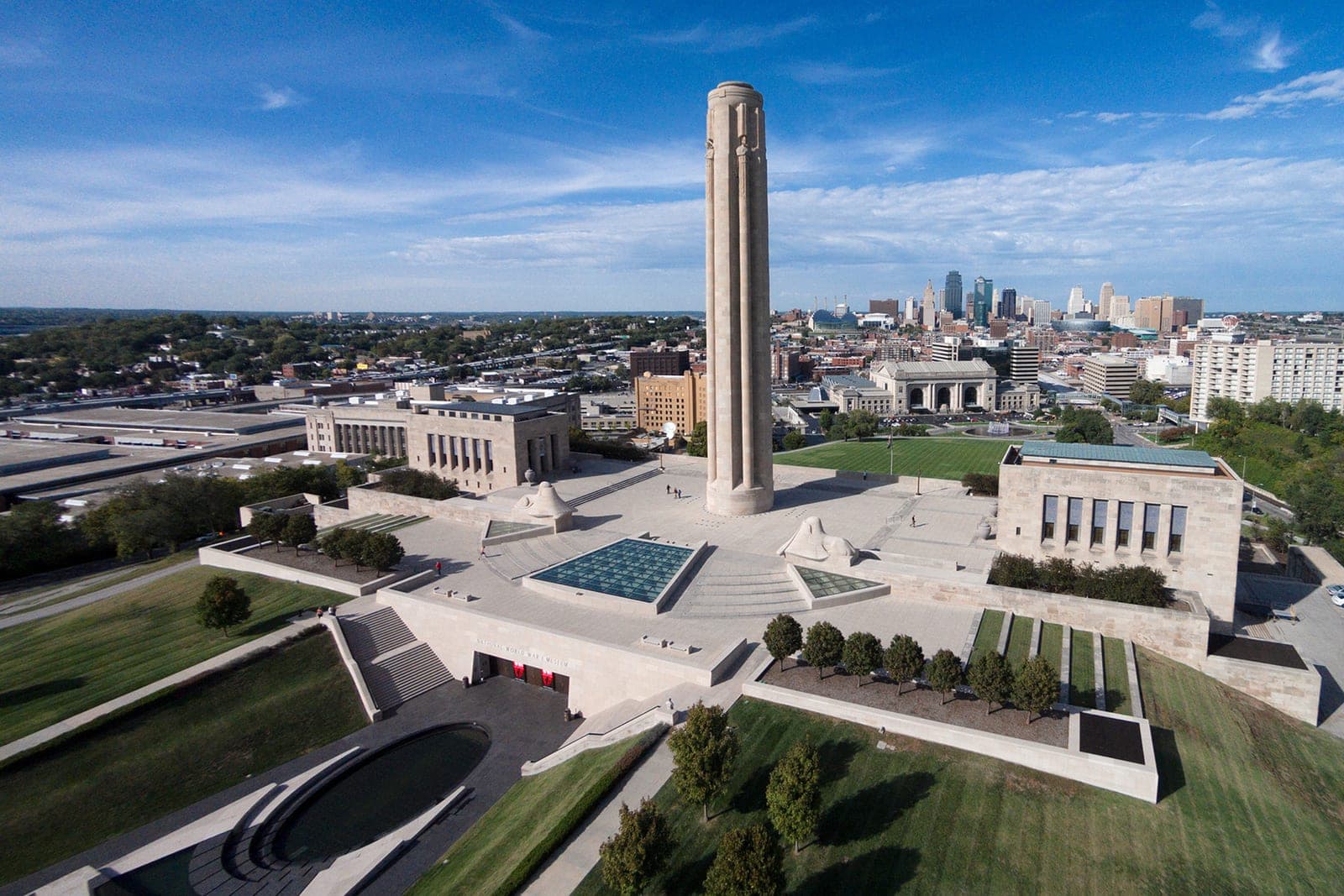
Dealerships line the interstates here, from Merriam and Olathe on the Kansas side to Independence, Blue Springs and Liberty on the Missouri side. Each store pulls buyers from across the metro and from both states. A shopper may compare stores on both sides of the state line before deciding which one is worth the drive.
That makes the details in a reply matter: which store, which car and what time. A shopper weighing a drive across the metro wants all three before leaving home.
We are based in the metro and meet dealer principals and managers in person, at the store. We watch how leads and calls move and show you where the gaps are. Video calls work too.
A week at a used-car store
This is an illustration, not a customer story. Picture Westbrook Auto, an independent lot with one sales manager, three salespeople and a small service bay, run by an owner named Tobias.
On Sunday night, eight internet leads come in. The Sales Agent replies to each one right away, confirms which cars are still listed, and books three test drives for Monday. Two of the leads turn out to be one shopper writing from two email addresses, so the assistant flags the pair for the sales manager instead of answering twice. On Monday, the sales manager opens a list of every lead, with a summary of each conversation.
On Wednesday, a customer texts about a noise from the front end. The assistant does not guess at the cause. It books a service visit, says a technician will look at the car, and pages the service lead so a person calls back. If anyone had been in danger, it would have said to call 911.
Tobias did not hire a night shift. His people just started every day with a clear list.
More guides for car dealerships
- Car Dealership Lead Follow-Up: Answer Internet Leads Fast: internet leads answered fast, with people quoting every price.
- Automotive Service Scheduling Software for Dealerships: advisor capacity, loaners and recall outreach.
- AI Receptionist for Car Dealerships: After-Hours Calls: sales, service and parts calls after close.
- Dealership BDC: How AI Agents Help Your Reps Keep Up: first replies and overnight leads handled, reps on the conversations.
- Dealership CRM: One Record From First Lead to Service: for independent lots and dealer groups.
Frequently asked questions
What is automotive AI?
Automotive AI covers AI across the car world, from driver-assist features in the vehicle to software at the store. AI for auto dealerships handles repeat work like answering leads, booking visits and logging calls inside your existing tools, and people make every decision about prices, credit and repairs.
What is the best AI for car dealerships?
The best AI for a dealership is the one that fits how your store already works. When you compare AI tools for car dealerships, look for fast replies signed as your store's AI assistant, booking on your real calendars, clean handoffs to people, and tight data practices. A tool that talks numbers with shoppers is the wrong one.
Can a car dealership use an AI chatbot?
Yes. A car dealership AI chatbot can answer questions about listed vehicles, hours and service, and book test drives and visits. It should say up front that it is the store's AI assistant, and asking for a person should always work.
What software do car dealerships use?
Most franchised stores run a dealer management system, a CRM, a website with chat, and a phone system. Independents often use fewer tools and a spreadsheet. AI agents work inside those tools rather than adding another screen to check.
Next step
Book a free workflow consult. We walk through where your leads, calls and service bookings come from today, where shoppers wait longest for a reply, and which single job an AI assistant should take first at your store.
About the ScaleAlphaAi team
We are a Kansas City company that designs and builds AI agents and custom software for small businesses, trades and growing firms. We write these guides from our work with owners and office teams: what AI handles well, what stays with your people, and how to start with one workflow.
Meet the team