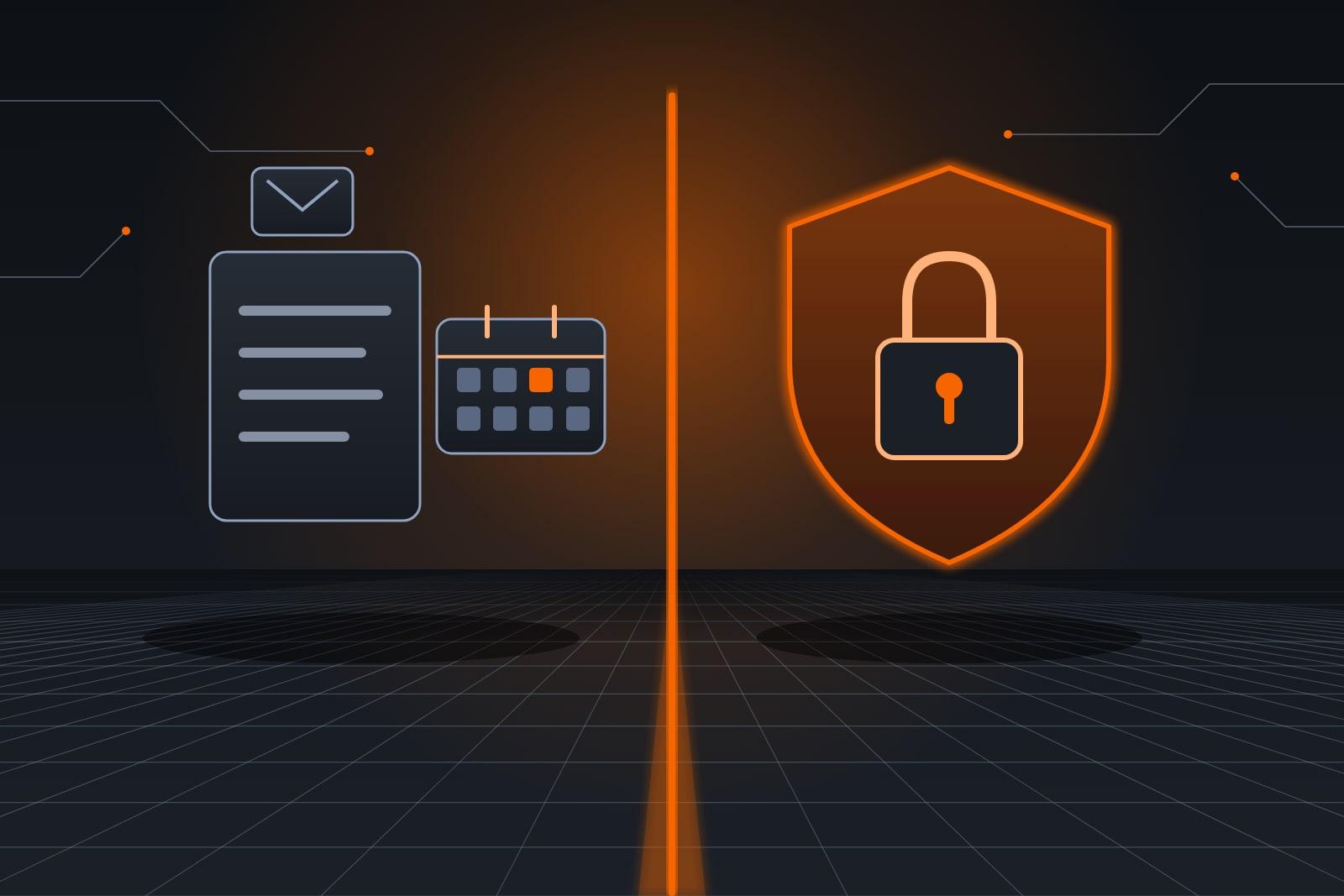
AI for nonprofits best practices come down to one line: the agent prepares, and a person decides. Agents gather records, draft messages and keep schedules. Staff keep major gifts, service decisions, your public voice and privacy.
Draw that line before anything goes live, so staff know what they must approve. The tasks each agent can take on are listed on our AI Agents page, and our nonprofit page shows how that work fits a mission-led organization.
AI for nonprofits best practices, in order
The first practice is to sort tasks before anything goes live: work an agent may prepare, and decisions a person keeps. Agents suit frequent, rule-based work that is easy to check, such as drafts, schedules, checklists or inbox sorting. A named staff member approves each output.
- Drafting from approved facts and templates.
- Sorting inquiries, attachments and records into the right place.
- Scheduling reminders, follow-ups and deadlines.
- Flagging gaps, missing numbers and replies that need a person.
The Customer Agent answers routine questions on your main line and passes anything sensitive to staff.
Where is the line between agent and staff?
People keep every decision that shapes a relationship, a person's access to services or the organization's word. That covers major-gift asks, eligibility, crisis replies, commitments to funders and anything said in public. An agent may prepare the background, and a staff member makes the call.
| Area | Agent may | Staff decide |
|---|---|---|
| Major gifts | Build the brief | The ask and the visit |
| Services | Share published hours | Who qualifies |
| Funders | Draft from approved data | Every commitment |
| Public voice | Draft a post | What gets published |
| Someone in crisis | Alert a person | The response |
If anyone may be hurt or in danger, the agent tells them to call 911 and alerts your on-call staff member at once.
How do you protect your brand voice?
Your brand voice stays safe when staff write the templates and approve every draft that goes out under your name. The Marketing Agent fills in approved wording; it does not invent new claims, promises or tone. A short style sheet with sample sentences keeps every draft close to how your team already writes.
Watch for three slips in early drafts: overpromising impact, sounding too formal and repeating the same opening line. Fix the template when a slip shows up, so later drafts start from the corrected wording.
How should sensitive client data be handled?
Sensitive client data belongs in locked systems with access limited to the staff who need it. Keep constituent case notes, health details and any personally identifiable information out of prompts. A thank-you draft, for example, runs on a donor's name and gift alone, without any case file.
A Pew Research Center survey on data privacy (opens in a new tab) found that 81% of Americans familiar with AI expect companies' AI to lead to personal information being used in ways they will not be comfortable with.
Keeping client records out of prompts answers that worry directly.
Data quality matters as much as access. Federal guidance on AI data security (opens in a new tab), released by CISA with the NSA, the FBI and international partners, ties the accuracy and integrity of AI outcomes to how the data behind them is protected.
Give each agent the least access its task needs, and review that access whenever the task changes.

What should a written AI policy say?
A useful policy names each approved task, the data each agent may see, who signs off on its output and what must always go to a person. Keep it to a page or two. Review it with the board yearly, and update it whenever a new task is added.
- List approved tasks and their approvers.
- Name the data each task may use, and the data it may not.
- Set a review date.
Our guide to human-in-the-loop AI for nonprofits shows how to start with one approved task. For funding records, the grant management software for nonprofits guide covers what each report depends on.
Setting limits with ScaleAlphaSi
ScaleAlphaSi writes the task list, the data limits and the approval steps with your team before any agent goes live. Each agent then works only inside those limits, in the tools you already use. A staff member reviews each output before it leaves the organization.
Every service on our nonprofit agents page goes live the same way, with written data limits and approval steps.
The Kansas City nonprofit guide shows how those limits apply across donors, volunteers and grants.
Book a free consult meeting to draft your first AI policy with us.
An eligibility question, handed to staff
Example: a caller asks about eligibility
A caller on a food pantry's main line asks whether her family qualifies for weekend boxes. The Customer Agent shares the published hours and the documents to bring, then books an intake with program staff.
It does not decide eligibility or ask about her income. A staff member calls back the same day, answers her questions and makes the decision.
Frequently asked questions
What are the biggest AI risks for nonprofits?
The biggest AI risks for nonprofits are client data in the wrong tool, inaccurate claims to donors or funders and drafts that do not sound like you. Clear task limits and a staff approval step address all three.
Who should own AI decisions at a nonprofit?
AI decisions at a nonprofit work best with one named staff owner, often the operations or executive director, who keeps the policy current. The board reviews it, and each approved task has its own approver.
Can an AI agent decide who receives services?
An AI agent should never decide who receives services. It can share published rules, collect the documents your intake asks for and book a meeting, but eligibility and every case decision stay with trained staff.
Next step
Book a free consult meeting and bring the task you most want help with. We will mark what the agent may prepare and what stays with your team, then you can try that agent free for 30 days.
Our standards
- The examples in our guides are illustrations, not customer stories.
- Your AI runs on private and on-premise models, not public AI tools. Nothing you give us is used to train AI models.
- Agents are built so each action is logged in a record that shows any later edit.
- Texts go only to people who gave you permission, and every message says how to stop.
- If anyone may be hurt or in danger, the only instruction an agent gives is to call 911.
- Depending on the investment package you choose, you get either the right to use the software we build for you or full ownership of it.
- We work from the Kansas City metro and meet owners face to face or by video call.
- Same team. Same jobs. More capacity.
About the ScaleAlphaSi team
ScaleAlphaSi is a Kansas City AI advisory firm specializing in Advanced Marketing and AI Engineering. Our team drives demand through SEO, AEO, GEO and paid ads management. Once that demand arrives, we build specialized AI agents to scale operations for profitability. Each guide draws on engagements with owners and operations teams, covering where to start, where people stay in charge and how to scale one workflow at a time.
Meet the Team