Human-in-the-loop AI for nonprofits means an agent does the work and a named person approves it before it goes anywhere. A small team starts with one workflow, such as donor thank-yous, instead of a full platform.
Human in the loop describes a setup where a person reviews or approves an AI's output as a fixed step in the process. Our AI Agents page describes what each agent does, and the nonprofit page shows good starting points.
Why does human-in-the-loop AI for nonprofits start small?
A single workflow keeps the change small enough for a busy team to manage. Staff learn how the Admin Agent works on one task, fix its wording and set the review habit before anything else moves. A full platform asks everyone to change at once, which small nonprofits rarely have time for.
Staff time is tight across the sector. In 2025, an Urban Institute survey (opens in a new tab) found that 46 percent of staffed nonprofits had employee vacancies.
One task also makes the value easy to see. Either the thank-yous go out faster, or they do not.
Which first task suits a small team?
The best first task is frequent, rule-based and low risk if a draft needs fixing. Donor thank-yous, volunteer reminders and grant checklists all fit. Each runs on templates or lists your staff already keep, and each has a clear person who can approve the output.
| First task | Why it fits | Who approves |
|---|---|---|
| Donor thank-yous | Frequent, templated | Development lead |
| Volunteer reminders | Rule-based, time-bound | Coordinator |
| Grant checklists | Built from the funder's own text | Grants lead |
Tasks that touch money, eligibility or a person in crisis make poor first projects. Those stay with staff, as our guide to AI for nonprofits best practices explains.
For thank-yous in particular, see AI agents for nonprofit fundraising. For checklists, see grant writing AI for nonprofits.
What does the approval step look like?
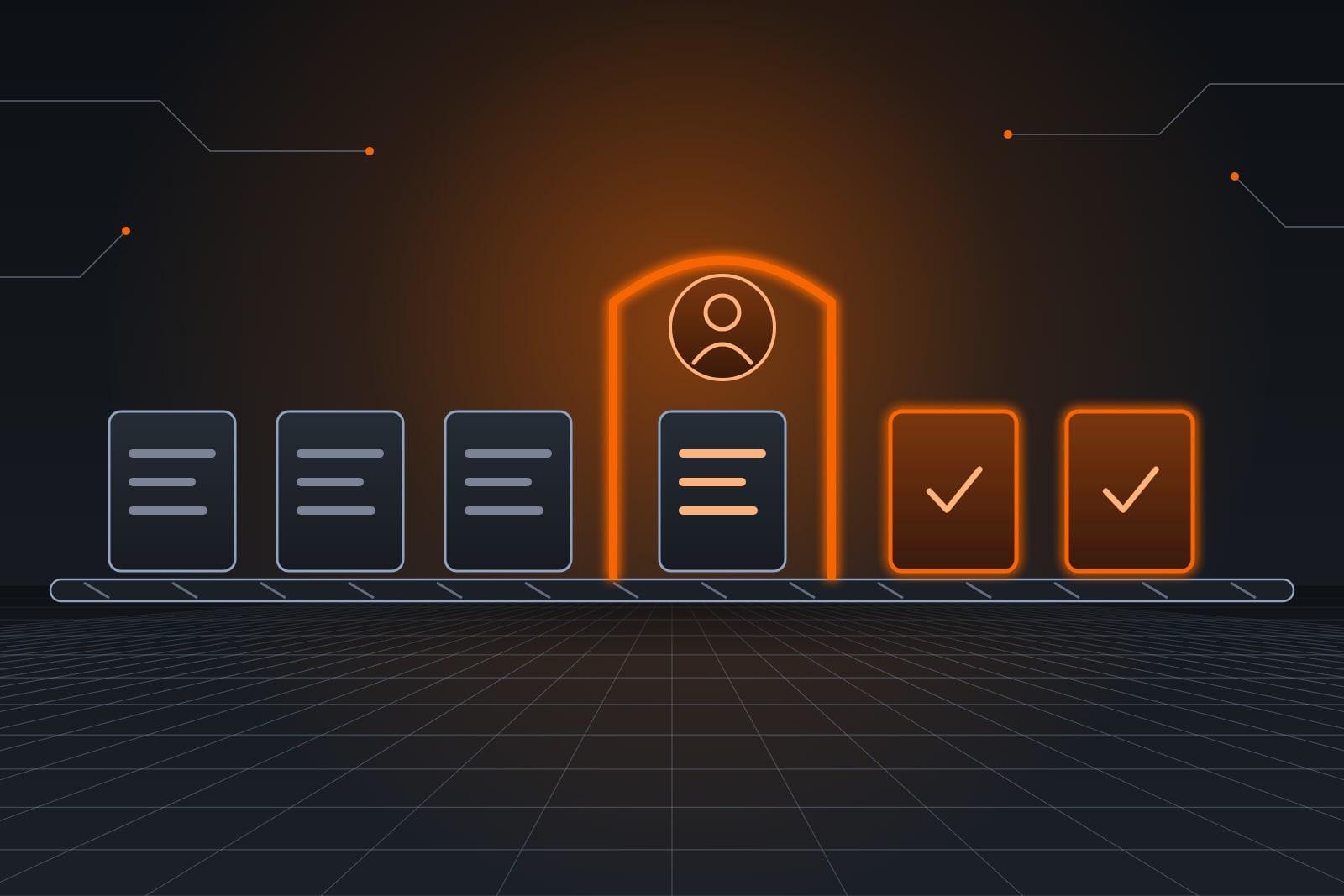
The approval step is a short queue where a named staff member sees each output, edits it if needed and approves it. Nothing leaves the organization until that happens. The agent logs who approved what and when, so the team can look back at any message.
Early on, the approver reads each item one at a time. Later, routine items such as shift reminders can arrive as one batch that the approver reads and releases together. Nothing skips the queue.
The NIST AI Risk Management Framework (opens in a new tab) is a voluntary guide for organizations that use AI, and it is a useful reference when a board asks how oversight is set up.

How do you widen the setup safely?
Widen one task at a time, after the first one has run cleanly for several weeks. Write down what the agent may do, what it must pass to a person and who approves its work. Then add the next task with the same review, and keep the old rules in place.
- Run the first task with full review for a month.
- Fix any wording or rule that needed repeated edits.
- Choose the next task and name its approver.
- Review both tasks together at a monthly staff check-in.
Clean records help every step. Our guide to donation tracking software for nonprofits shows what a tidy donor record looks like.
When should sensitive data enter the setup?
Sensitive data stays out of the workflow until the team decides it belongs there. Keep constituent details such as case notes, health information and home addresses out of prompts. Give each agent only the fields its one task needs, and a person approves every output before it is sent.
How ScaleAlphaSi keeps people in charge
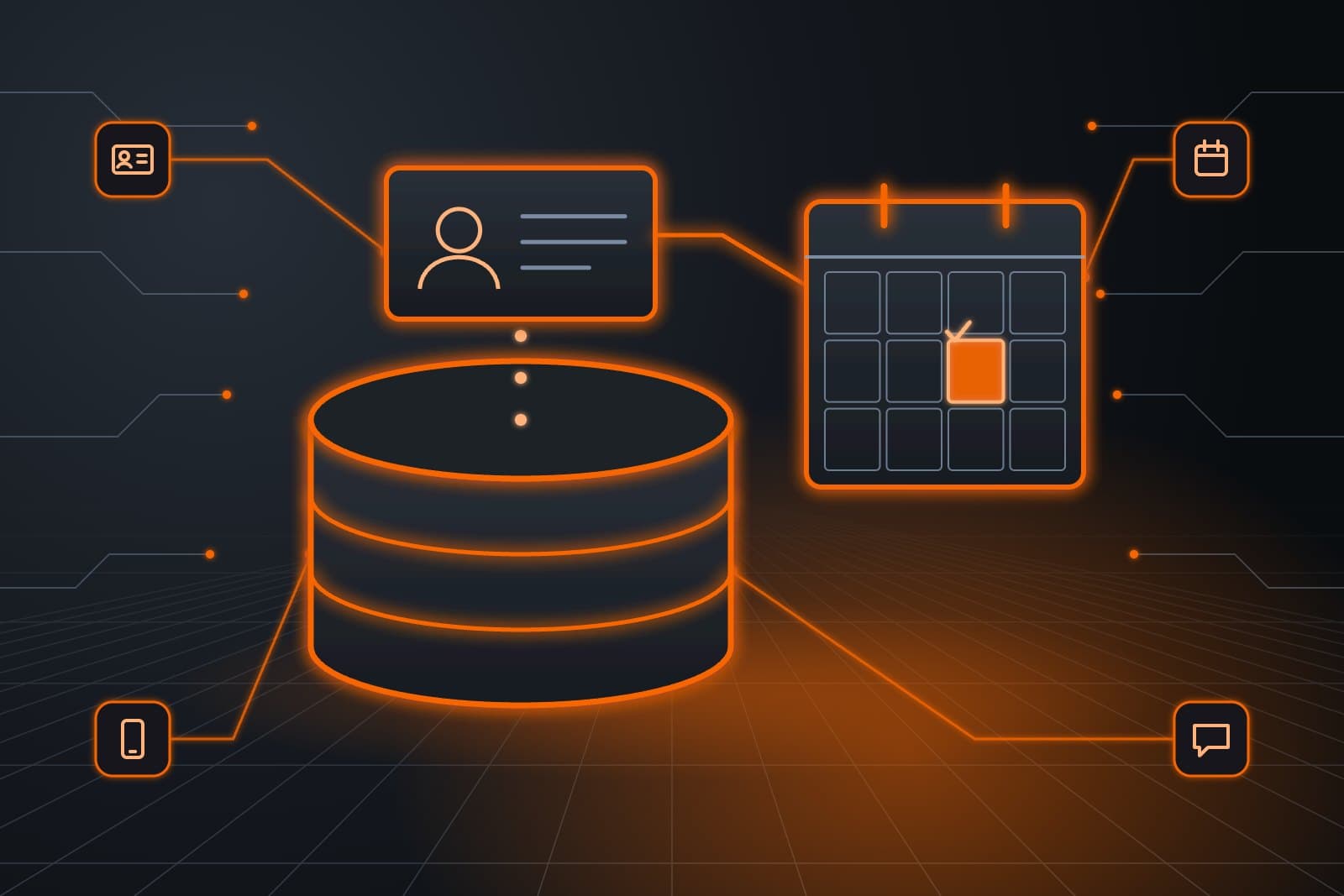
ScaleAlphaSi sets up the Admin Agent on the one task your team picks, inside the inbox, calendar and drive you already use. A staff member approves every output from day one. We add the next task only when your team asks for it.
That single-task start is how all of our nonprofit agent work begins.
The Kansas City nonprofit guide shows how donors, volunteers and grants fit once a few tasks are running.
Book a free consult meeting to choose your first task.
Three people, one first task
Example: a three-person team picks thank-yous
A three-person nonprofit picks donor thank-yous as its first task. The development lead writes two templates and approves every note for the first month, fixing the tone on a few.
By the second month the templates need few edits. The team then names the program manager as approver for volunteer reminders and adds that task. Grants, and anything about the people the nonprofit serves, stay fully with staff.
Frequently asked questions
What is human-in-the-loop AI?
Human-in-the-loop AI is a setup where a person reviews or approves what an AI produces before it takes effect. The agent drafts, sorts or schedules, and a named staff member signs off. It keeps judgment and accountability with people.
Is a small nonprofit too small for AI agents?
A small nonprofit is a good fit for one agent on one task, because the gain shows quickly and the review stays light. The agent works inside your existing email, calendar and files, so nobody learns a new platform.
How much staff time does the review step take?
Review time is highest in the first weeks, while staff fix wording and rules. It usually drops as drafts settle. On routine tasks, the approver can then read and release a whole batch at once.
Can we turn the agent off if it is not working?
An agent can be paused or switched off at any time, and your records stay in your own tools. A team can pause one task, fix the template or rule that caused trouble, then switch it back on.
Next step
Book a free consult meeting and bring the one task that falls behind most often. We will set up its approval step with you, then you can try that agent free for 30 days.
Our standards
- The examples in our guides are illustrations, not customer stories.
- Your AI runs on private and on-premise models, not public AI tools. Nothing you give us is used to train AI models.
- Agents are built so each action is logged in a record that shows any later edit.
- Texts go only to people who gave you permission, and every message says how to stop.
- If anyone may be hurt or in danger, the only instruction an agent gives is to call 911.
- Depending on the investment package you choose, you get either the right to use the software we build for you or full ownership of it.
- We work from the Kansas City metro and meet owners face to face or by video call.
- Same team. Same jobs. More capacity.
About the ScaleAlphaSi team
ScaleAlphaSi is a Kansas City AI advisory firm specializing in Advanced Marketing and AI Engineering. Our team drives demand through SEO, AEO, GEO and paid ads management. Once that demand arrives, we build specialized AI agents to scale operations for profitability. Each guide draws on engagements with owners and operations teams, covering where to start, where people stay in charge and how to scale one workflow at a time.
Meet the Team