Grant writing AI for nonprofits does two jobs well. It turns a funder's guidelines into a checklist and drafts sections from approved program data. A person still verifies every number and commitment before anything is submitted.
That split hands first drafts to the agent, and staff still approve every claim made in your organization's name. Our AI agents for nonprofits page shows where proposals sit beside fundraising, programs and volunteers.
What does grant writing AI for nonprofits do?
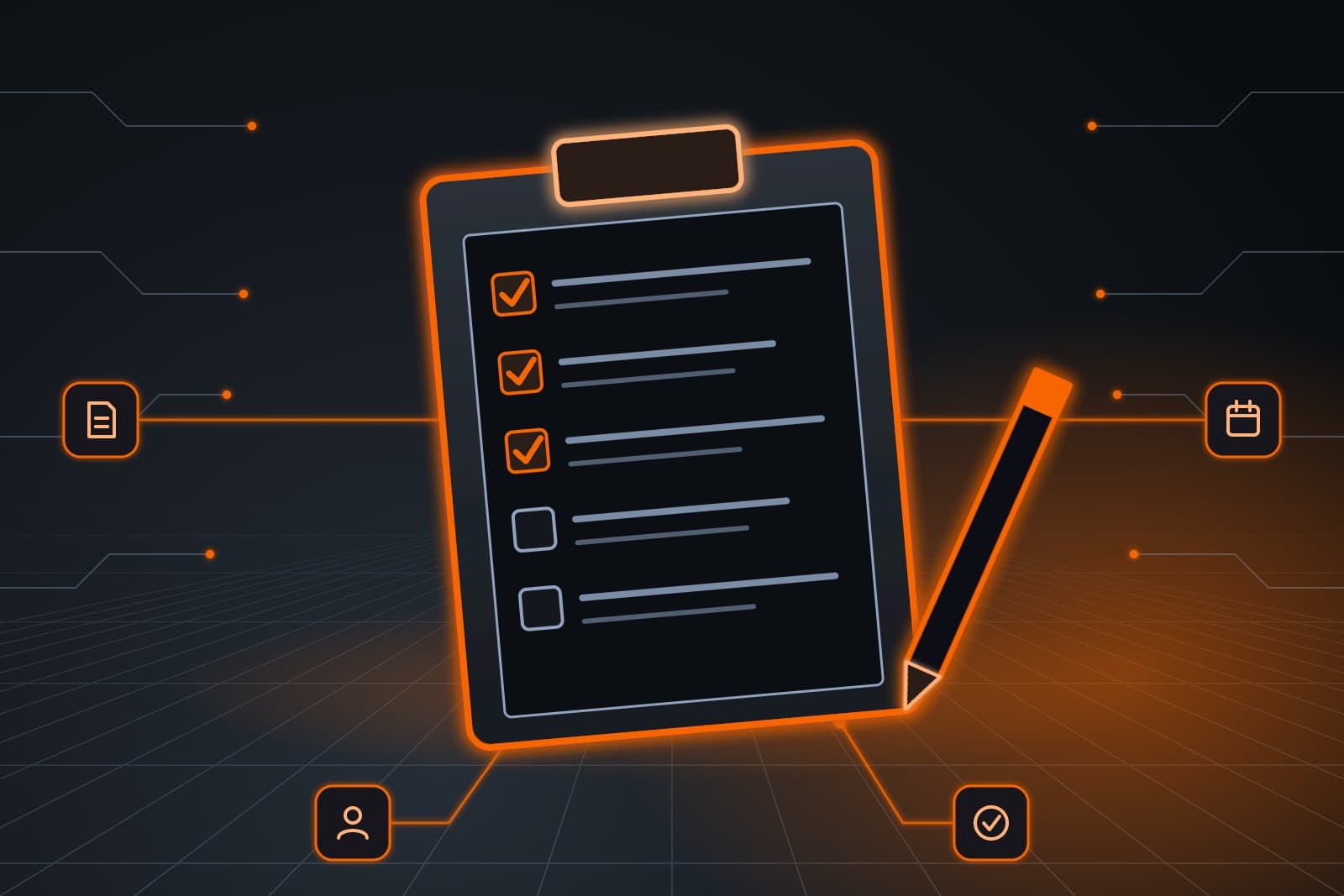
The Admin Agent reads the request for proposals, builds a checklist of every required section, attachment and limit, then drafts each section from your own records. It works from approved program metrics, past proposals and staff-written stories. It never invents a figure to fill a gap.
A request for proposals, or RFP, is the funder's document that says what to submit and how it will be judged.
An Urban Institute brief on government grants (opens in a new tab) found that 68 percent of nonprofits received government grants or contracts in 2022.
Proposals are one half of the grant cycle. After an award, what you send the funder follows its own path, covered in AI for nonprofit reporting.
Which sources should a draft draw from?
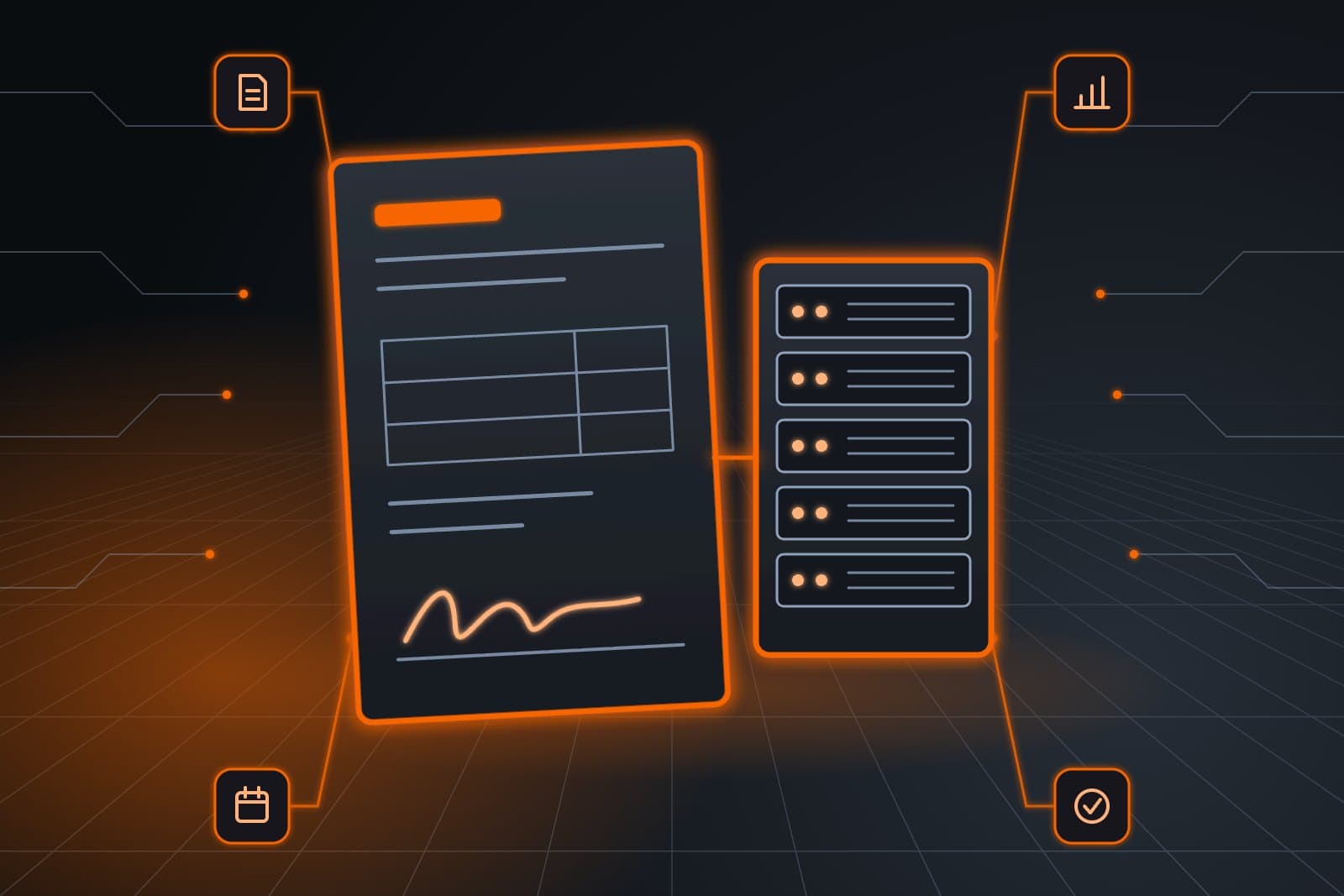
A draft should draw only from material your staff point to: the logic model, approved outcome numbers, the current budget narrative, board-approved language about your mission and past proposals that were funded. Anything outside that set stays out, so every claim in the draft traces back to a record.
- Program metrics. The numbers your program team already reports and stands behind.
- Stories. Short accounts written or approved by program staff, with consent from anyone named.
- Past proposals. Funded ones first, because their wording already passed review.
- Budget notes. The narrative your finance lead wrote, never a budget the agent builds.
Generated text can sound confident and still be wrong. NIST's generative AI profile (opens in a new tab) treats that false output as a natural result of how these models are designed, which is why our explainer on why AI hallucinates matters for grant teams.
How are funder requirements organized?
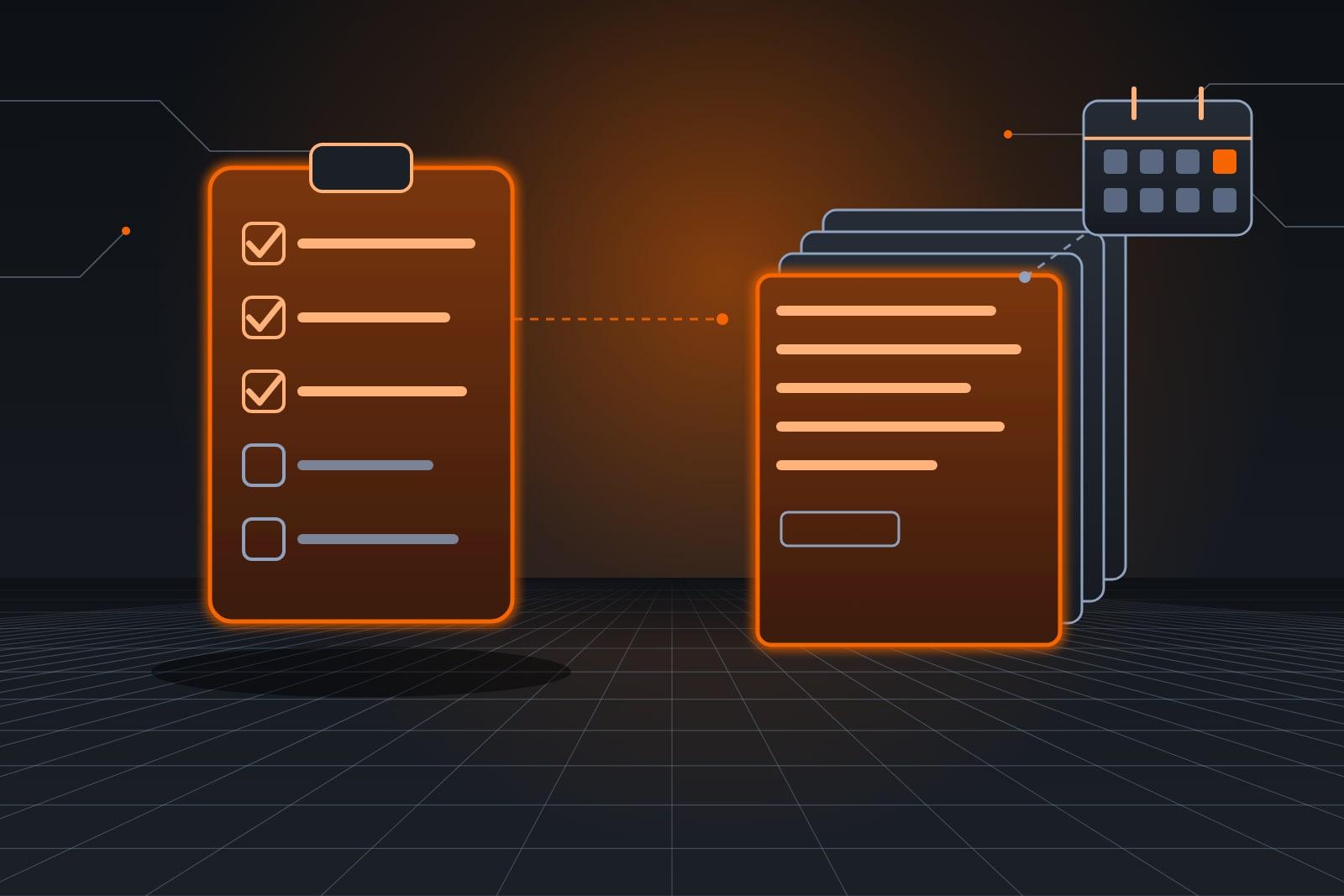
The Admin Agent turns each RFP into a checklist: every question, page limit, attachment, eligibility rule and deadline, in the funder's own order. Staff confirm the list against the source before writing starts. A single missed requirement can get an otherwise strong proposal set aside before anyone reads it.
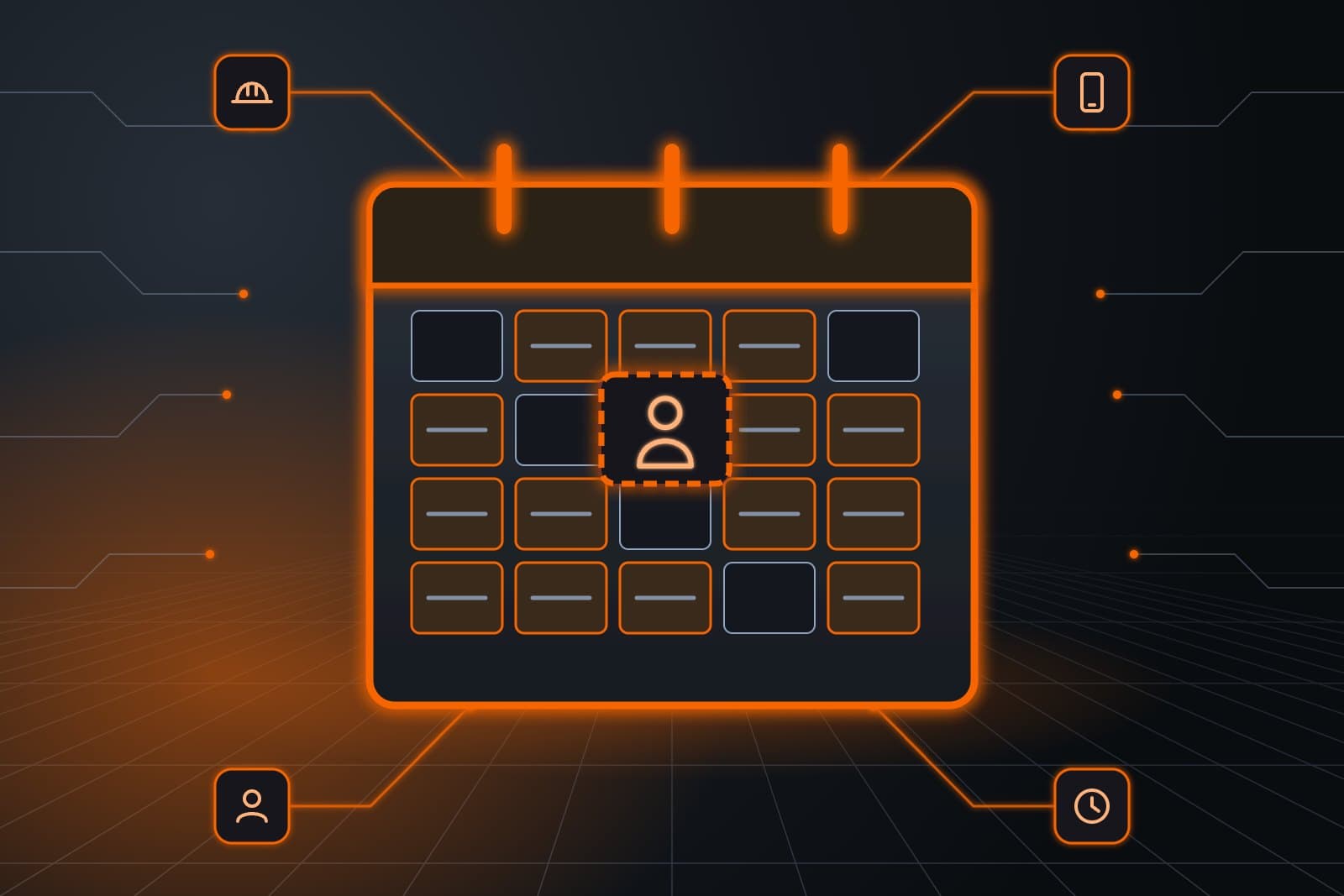
Each line on the checklist gets an owner and a status. The Admin Agent files the attachments, tracks the due dates on your calendar and sends reminders to whoever owns an open item.
Once a grant is awarded, its balance, spending rules and report dates belong in a tracker of their own, as our guide to grant management software for nonprofits explains.

Who checks a proposal before it goes?
A named staff member checks every proposal before it is submitted. That review covers each figure against its source, each commitment against what the program can deliver and the tone against your organization's voice. The executive director or grants lead signs off, and a person presses submit.
| Step | Agent | Staff |
|---|---|---|
| Build the checklist | From the RFP | Confirms it |
| Draft each section | From approved sources | Rewrites as needed |
| Flag a missing number | Yes | Supplies it |
| Promise an outcome | Never | Decides |
| Submit | Never | Yes |
How is client information kept out of drafts?
Client privacy holds when the agent sees only summary numbers and approved stories. Keep constituent case notes, names of the people you serve and any personally identifiable details out of prompts. Program staff pull the totals from their own records, and the agent drafts from those.
A person reviews the full proposal before it leaves the organization, including any story that mentions a participant.
ScaleAlphaSi's grant deadline setup
ScaleAlphaSi sets up the Admin Agent inside the shared drive, calendar and inbox your grants team already uses. It starts with checklists and deadline reminders, then moves to first drafts once staff trust its work. Your team keeps the final edit on every section.
All our nonprofit agent work follows the same split: the agent drafts and files, and staff approve.
For the bigger picture of donors, volunteers and grants together, see our guide to AI for Kansas City nonprofits.
Book a free consult meeting to walk through your next grant deadline.
A foundation request, step by step
Example: a small food program's first draft
A small food program sees a family foundation's request due in three weeks. The Admin Agent builds a checklist of six questions, a budget page and two attachments, and the grants lead confirms it.
Program staff supply approved meal counts and one family story they cleared. The agent drafts each answer and flags that the evaluation question needs a method nobody has chosen. The grants lead writes that section herself and submits on time.
Frequently asked questions
Can AI write a whole grant proposal?
AI can draft most sections of a proposal from approved records, but a whole proposal still needs a person. Staff choose the program to pitch, set the budget, write the hardest answers and approve every word before submission.
Do funders accept proposals drafted with AI?
Funder policies on AI-drafted proposals vary, so read the guidelines and follow any rule they give. If a funder asks about AI use, answer plainly. Every fact in the proposal should trace back to your records.
How do we stop an agent from inventing outcome numbers?
An agent avoids invented numbers when it drafts only from a fixed set of approved sources and flags any gap instead of filling it. A staff member then checks every figure against its record before the proposal moves on.
What should a grant checklist include?
A grant checklist should list every question, page limits, required attachments, eligibility rules, the budget format and the deadline with its time zone. Give each line an owner and a status, then confirm it against the guidelines.
Next step
Book a free consult meeting and bring one upcoming request for proposals. We will build its checklist together, then you can try the Admin Agent free for 30 days on your next deadline.
Our standards
- The examples in our guides are illustrations, not customer stories.
- Your AI runs on private and on-premise models, not public AI tools. Nothing you give us is used to train AI models.
- Agents are built so each action is logged in a record that shows any later edit.
- Texts go only to people who gave you permission, and every message says how to stop.
- If anyone may be hurt or in danger, the only instruction an agent gives is to call 911.
- Depending on the investment package you choose, you get either the right to use the software we build for you or full ownership of it.
- We work from the Kansas City metro and meet owners face to face or by video call.
- Same team. Same jobs. More capacity.
About the ScaleAlphaSi team
ScaleAlphaSi is a Kansas City AI advisory firm specializing in Advanced Marketing and AI Engineering. Our team drives demand through SEO, AEO, GEO and paid ads management. Once that demand arrives, we build specialized AI agents to scale operations for profitability. Each guide draws on engagements with owners and operations teams, covering where to start, where people stay in charge and how to scale one workflow at a time.
Meet the Team