Dumpster rental business software gives a small roll-off company one board for every container: its size, the drop date, the pickup date and the spot where it sits. Customers reserve online or by phone, drivers see their stops on a phone, and extra days land on the invoice instead of slipping past the office.
This guide is for roll-off companies with a few trucks and a yard of containers. Planning the drive itself has its own guide, route optimization software for service companies, and AI for small business shows where AI helps first.
What does dumpster rental business software need to hold?
Dumpster rental business software needs to hold each rental as one record: the container size, the drop date, the pickup date, the street address, placement and gate notes, and the customer's contact. Each container also needs a status, so the office can see at a glance which ones are free and which are tied up on jobs.
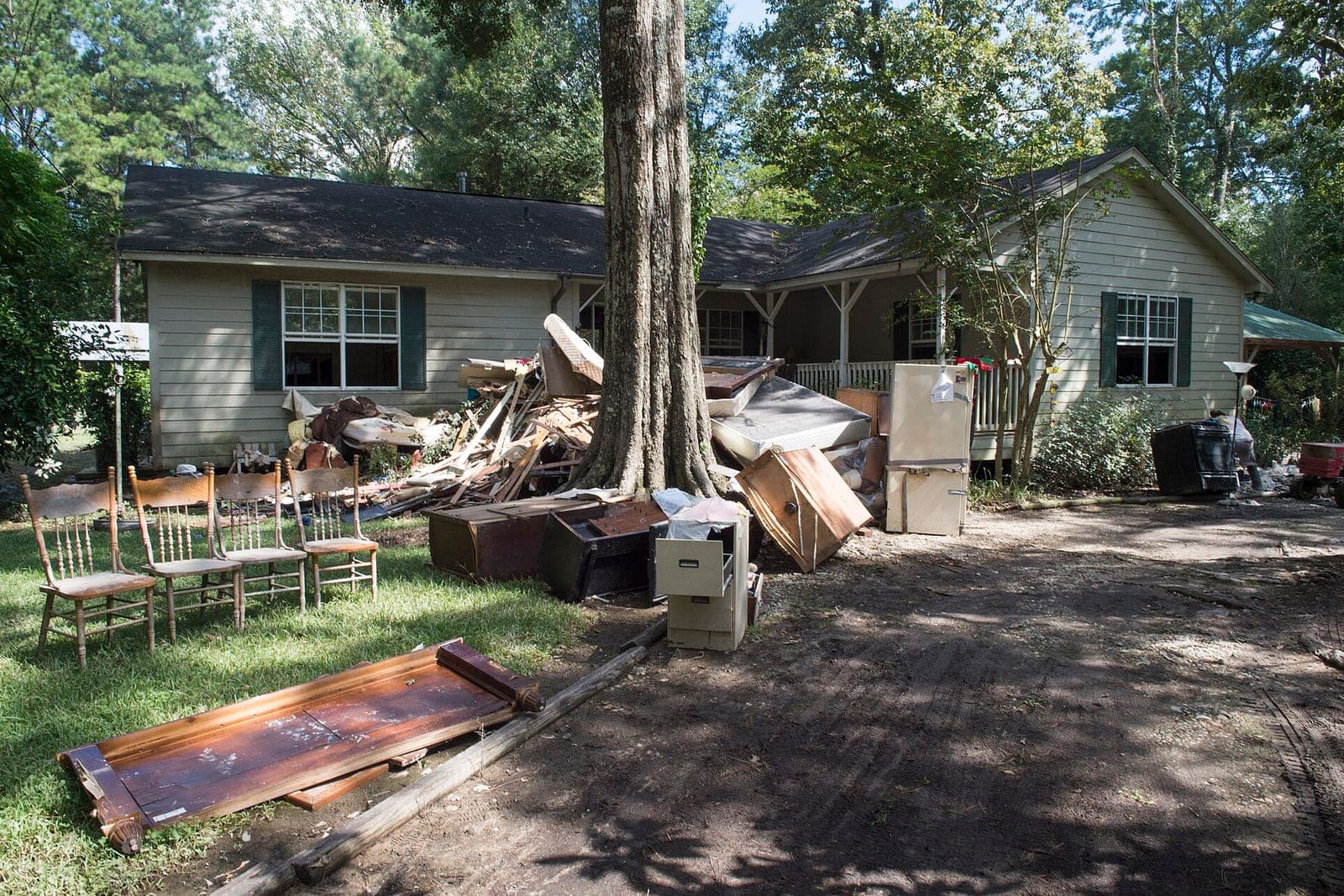
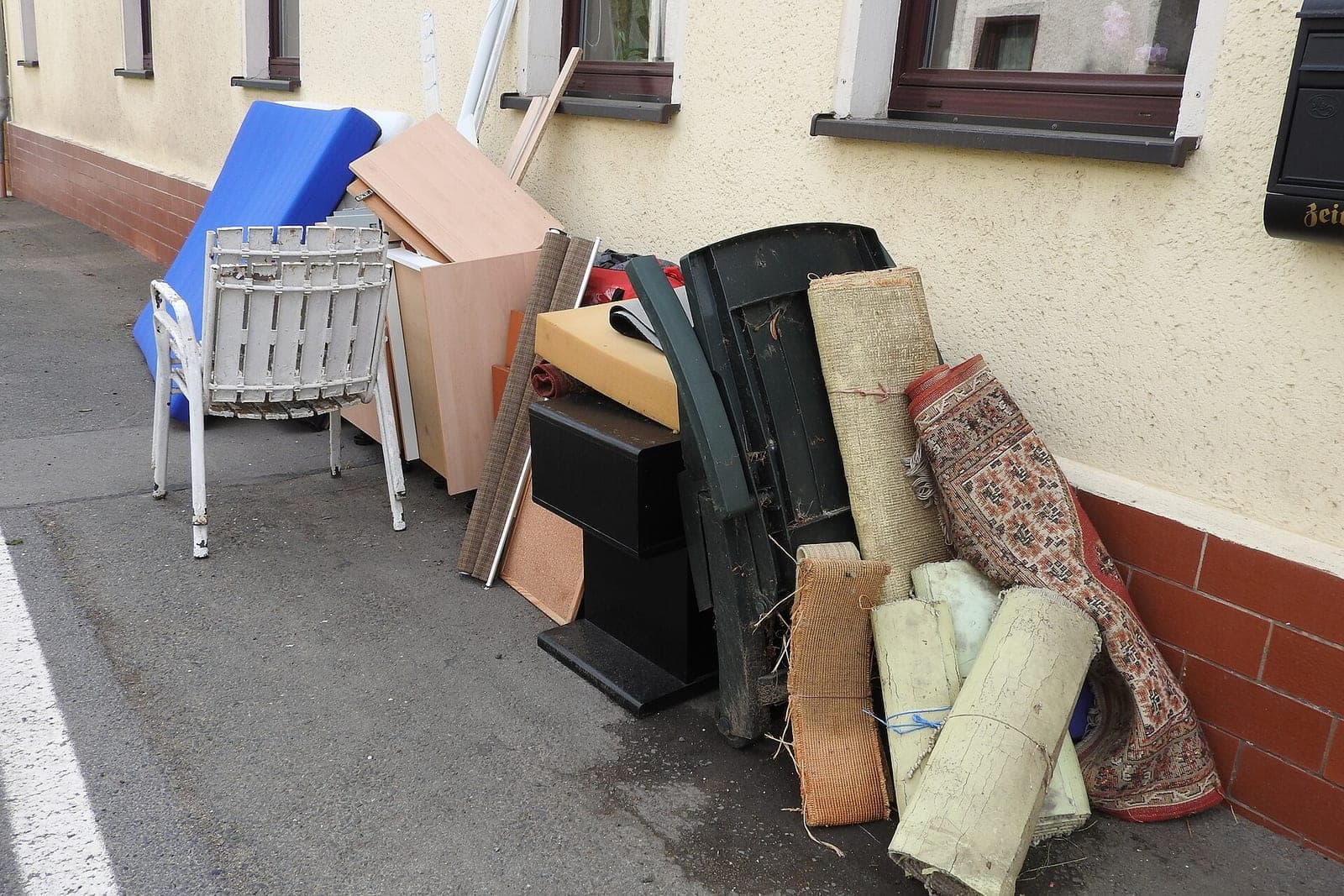
What goes in matters as much as where it goes. EPA's guide to construction and demolition debris (opens in a new tab) describes the leftovers from building, renovating and tearing down structures as often bulky and heavy, from concrete and shingles to drywall and brick. So the order form asks what the customer plans to load. The office can then match the size to the job and flag a heavy load early.
Why do phone orders and whiteboards fall behind?
Phone orders and whiteboards fall behind because the facts live in three places at once. The phone holds the request, the whiteboard holds the container, and the dispatcher's notes list the day's stops. When a customer keeps a container another week, nobody updates all three, so extra days get billed late or not at all.
A busy morning sounds the same at every yard. "What size do I need?" "Can you drop it Friday?" "Can I keep it until the roof is done?" Each call ends as a note on paper, then a line on the whiteboard.
Off-the-shelf tools each cover one piece:
- Spreadsheets. They hold rentals but not drivers' photos.
- Shared calendars. They show drop dates but not which container went where.
- Boxed dumpster rental software. It often expects your shop to bend to its screens and price rules.
What we build: one board from first call to final haul
We build an order-and-dispatch app around the containers, trucks and price list you already run. Every rental sits on one board, entered online or by phone, and every container shows where it is right now. Drivers work from a phone list, and invoices draft from the rental record for the office to approve.
We would build it as one of our full web applications: a rental board, a yard view and a driver app, with logins for the office, the dispatcher and each driver. It is software for dumpster companies shaped around your rules.
Online and phone orders
The online form offers only the sizes and dates your yard can cover. It asks for the address, placement and gate notes, and what is going in. Phone orders land on the same board, entered by the office or taken by the Customer Agent.
The yard view
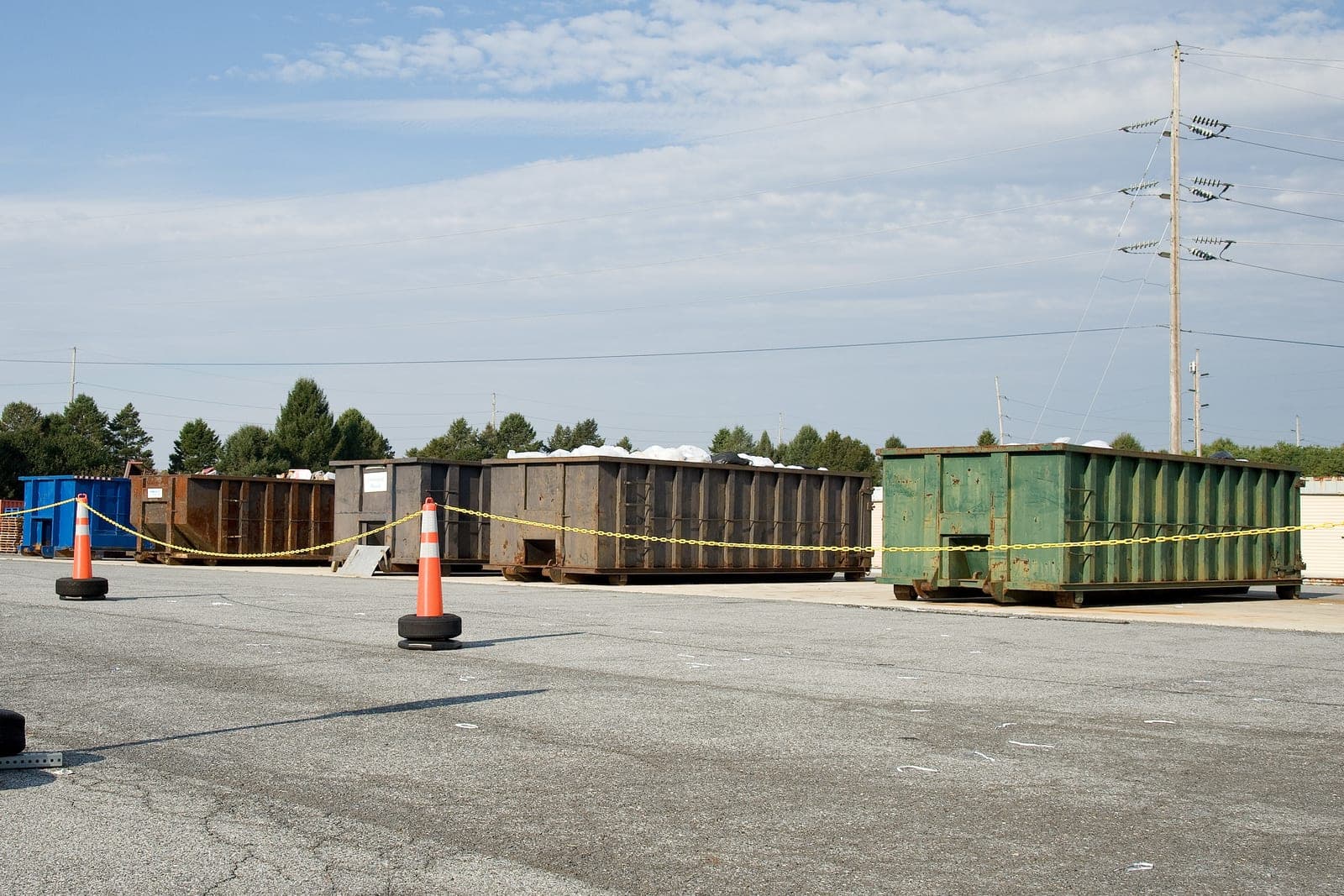
Good roll off dumpster tracking software gives each container a status the whole team can see:
- In the yard. Empty and ready.
- On a job. Tied to a rental, with its drop photo.
- Full and waiting. The customer called, or the pickup date arrived.
- Headed to the landfill. On a truck, to be emptied.
- Out for repair. Off the board until the shop clears it.
The driver's phone
Each driver sees the day's drops, swaps and pickups in order, with notes and gate codes. A photo at drop shows where the container was set. A photo at pickup shows the load. This is roll off dispatch software in its plainest form. Drivers tap only while parked.
Extra days and the bill
Customers who agreed to texts can ask for more days with a quick reply, and anyone can opt out at any time. The Finance Agent drafts each invoice from the rental record and your price list, extra days and overweight charges included. The office approves every extension charge first.
The agents behind the board
The Customer Agent answers calls. Its texts reach only customers who agreed to them, and anyone can opt out at any time. It puts drops into open dates you set and takes swap, extension and early-pickup requests. Each reply says the customer is texting the company's AI assistant, and asking for a person always works. The Ops Agent keeps the container board and flags any rental with no placement note.
Each agent reaches only the records its job needs. Every action is logged in a record that shows any later edit, and your customer list is never sold. Depending on the investment package you pick, you get either the right to use the roll off dumpster software we build or full ownership of it, and your customer records and job history stay yours either way.
This is an illustration, not a customer story. Darnell runs a small roll-off company that grew out of his old remodeling crew. On Thursday a contractor asks online for a container for a kitchen tear-out, and the form shows only the sizes free for Monday. The order lists drywall and cabinets, so Darnell's office confirms the size. Later the contractor asks to keep it another week. The Finance Agent adds the extra days to the draft invoice, and Darnell approves the charge. At pickup, the driver's photo shows debris above the rim, so the driver asks the crew to level it first.
How do size questions and the no-go list get answered?
Size questions and the no-go list get answered from your own rules, written once and approved by the office. The Customer Agent explains each container size, what tends to fit and what never goes in. Anything unusual, like a mixed load or an odd item, goes to the office so a person can decide.
Write the size guide in plain words. Yours might say the smallest container suits a bathroom or garage cleanout, a mid-size one fits a kitchen, and the largest handles a full gut.
Paint, batteries and tires stay on the no-go list the owner writes. EPA's household hazardous waste guidance (opens in a new tab) says that, in some cases, putting household hazardous waste out with regular trash is improper disposal, and it sends people to their local solid waste agency. So a customer with old paint cans gets pointed to that agency.
Before a container goes on the street, check your city's rules, and the Customer Agent sends every street request to the office.
What stays with your office, dispatcher and drivers?
Your office, dispatcher and drivers keep the calls a person must make: price exceptions and refunds, who takes each stop in which truck, where a container can sit, and whether a load is too full to haul. The app and the agents draft, remind and log, but they never set a price or approve a charge.
- The office. It approves every price exception, extension charge, refund and unusual load.
- The dispatcher. They assign drivers and trucks to each day's list.
- Drivers. They pick the spot at each address and hold a pickup until an overfilled load is leveled.
- The owner. They set the price list, the rental period and the no-go list.
Weekly curbside routes are a different business, covered in waste hauling software. Crews who load the truck themselves should read about junk removal software and junk removal online booking. Gear rented by the hour is a third flow, in rental booking software, and machines belong in software for equipment rental companies.
Frequently asked questions
How does a roll off dumpster work?
A truck drops an open-top container at your job, you fill it during the rental period, and the truck hauls it away full on the pickup date. The company empties it at the landfill or a drop-off site and bills for the rental, plus any extra days or overweight charges on its price list.
What is a roll off container?
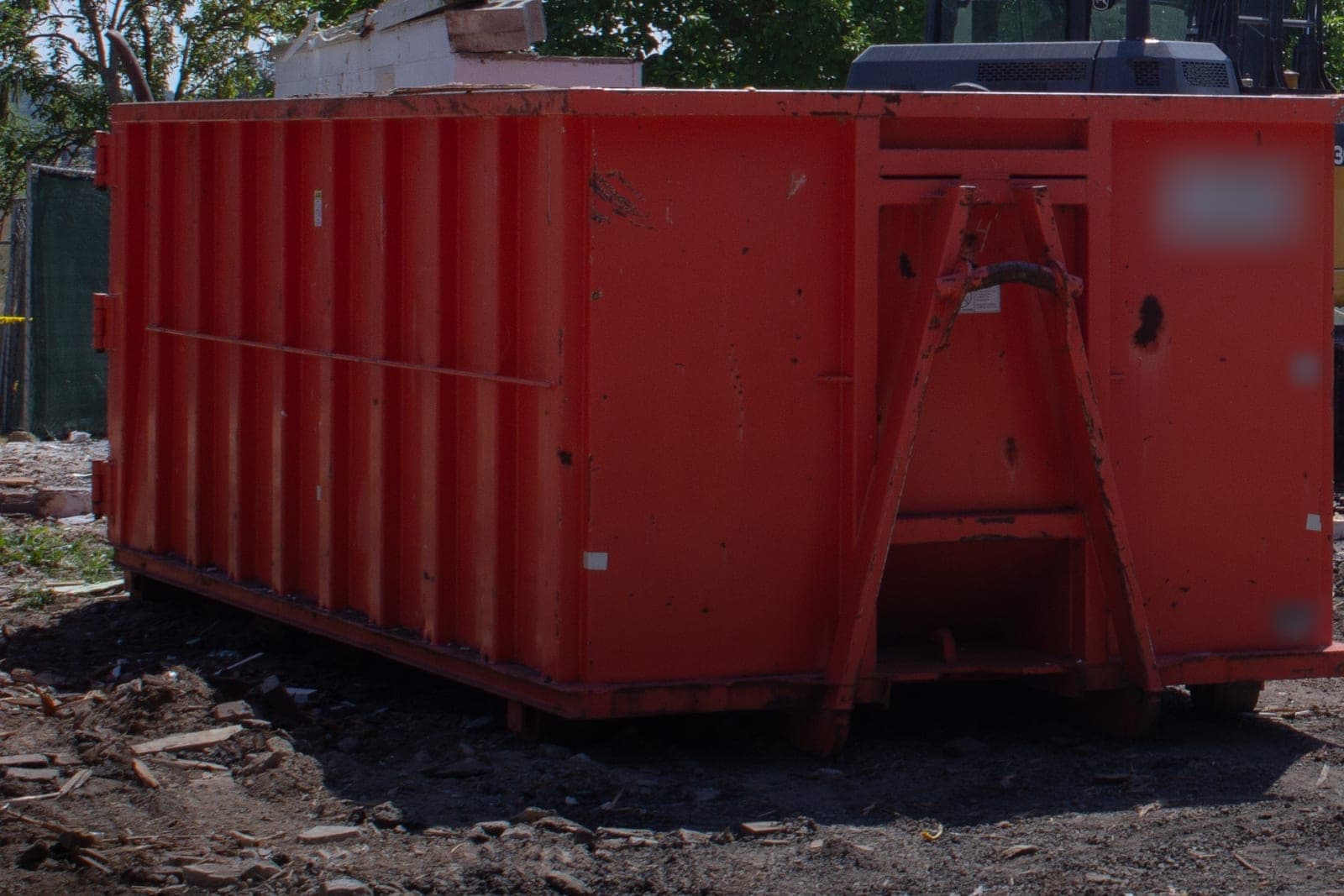
A roll off container is a large open-top steel box that a truck slides onto its frame with a winch or hook arm. Contractors and homeowners rent one for remodels, cleanouts and tear-offs, and companies offer several sizes so each customer can match the container to the job.
How long can you keep a dumpster rental?
You keep it for the rental period written on your order, and each company sets its own. If the job runs long, you ask the company for more days before the pickup date. The office approves the extension and any extra-day charge from its price list, then moves the pickup.
How do you rent a dumpster?
You give the company the address, the start date, what is going in and where the container should sit. The office or the online form offers the sizes and pickup dates that fit and shows the owner's price and any no-go items. Then the dispatcher adds the drop to a driver's list.
Next step
Book a free workflow consult and bring last month's rentals, a photo of your whiteboard and your price list. We will trace each container from the first call to the final haul and mark where extra days slipped off the bill. We work from the Kansas City metro and meet owners face to face or by video call.
Our standards
- The examples in our guides are illustrations, not customer stories.
- Your AI runs on private and on-premise models, not public AI tools, and nothing you give us is used to train AI models.
- Agents are built so each action is logged in a record that shows any later edit.
- Every call and text opens with a short line saying it is the business's AI assistant, and asking for a person always works.
- Texts go only to people who contacted you or gave you permission, and every message says how to stop.
- If anyone may be hurt or in danger, the only instruction an agent gives is to call 911.
- Depending on the investment package you choose, you get either the right to use the software we build for you or full ownership of it.
- We work from the Kansas City metro and meet owners face to face or by video call.
- Same team. Same jobs. More capacity.
About the ScaleAlphaSi team
ScaleAlphaSi is a Kansas City firm specializing in Advanced AI Engineering. We design and build AI agents and custom software for small businesses, trades and growing companies. Each guide draws on our experience with owners and office teams: where AI delivers, where your people stay in charge, and how to begin with a single workflow.
Meet the team