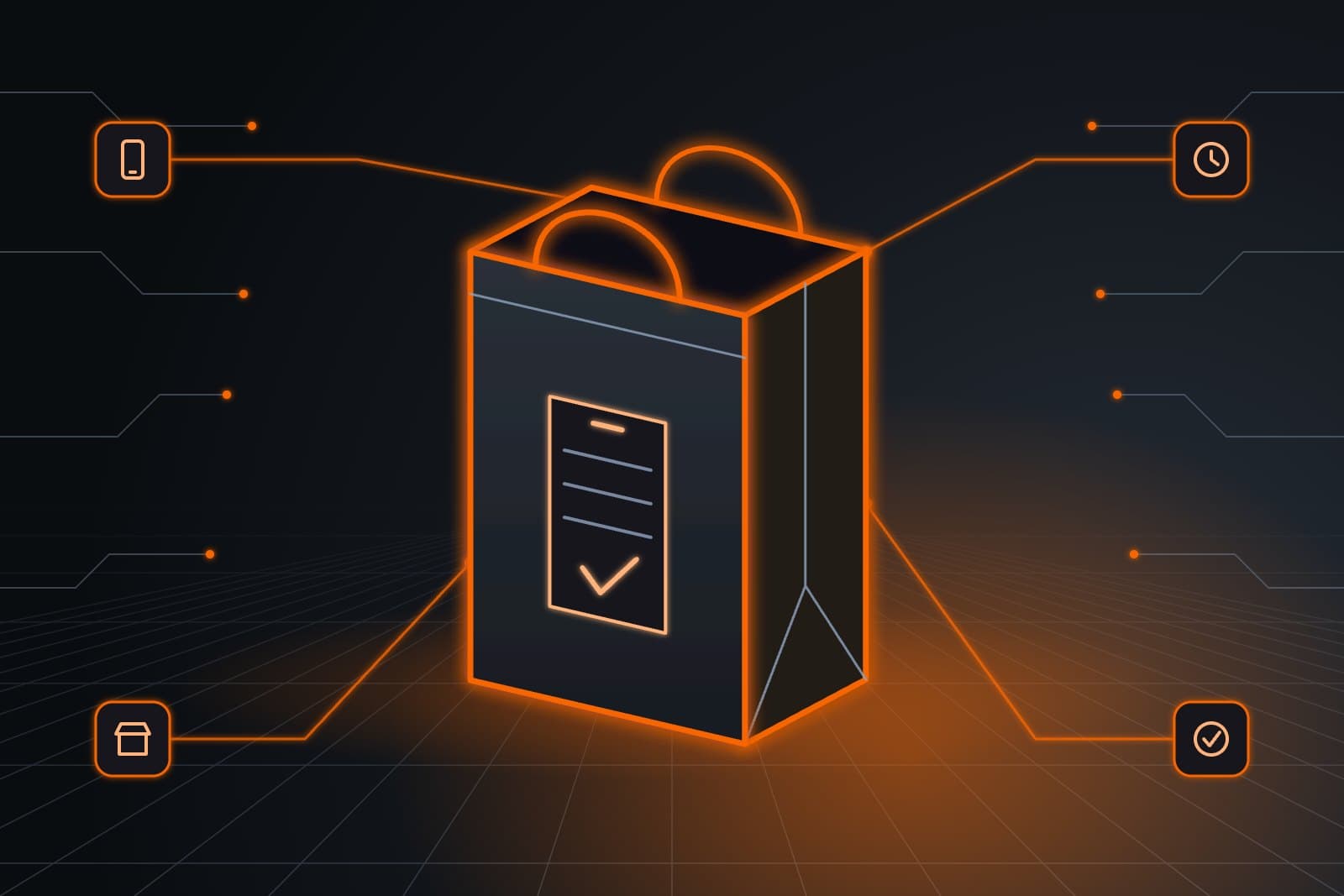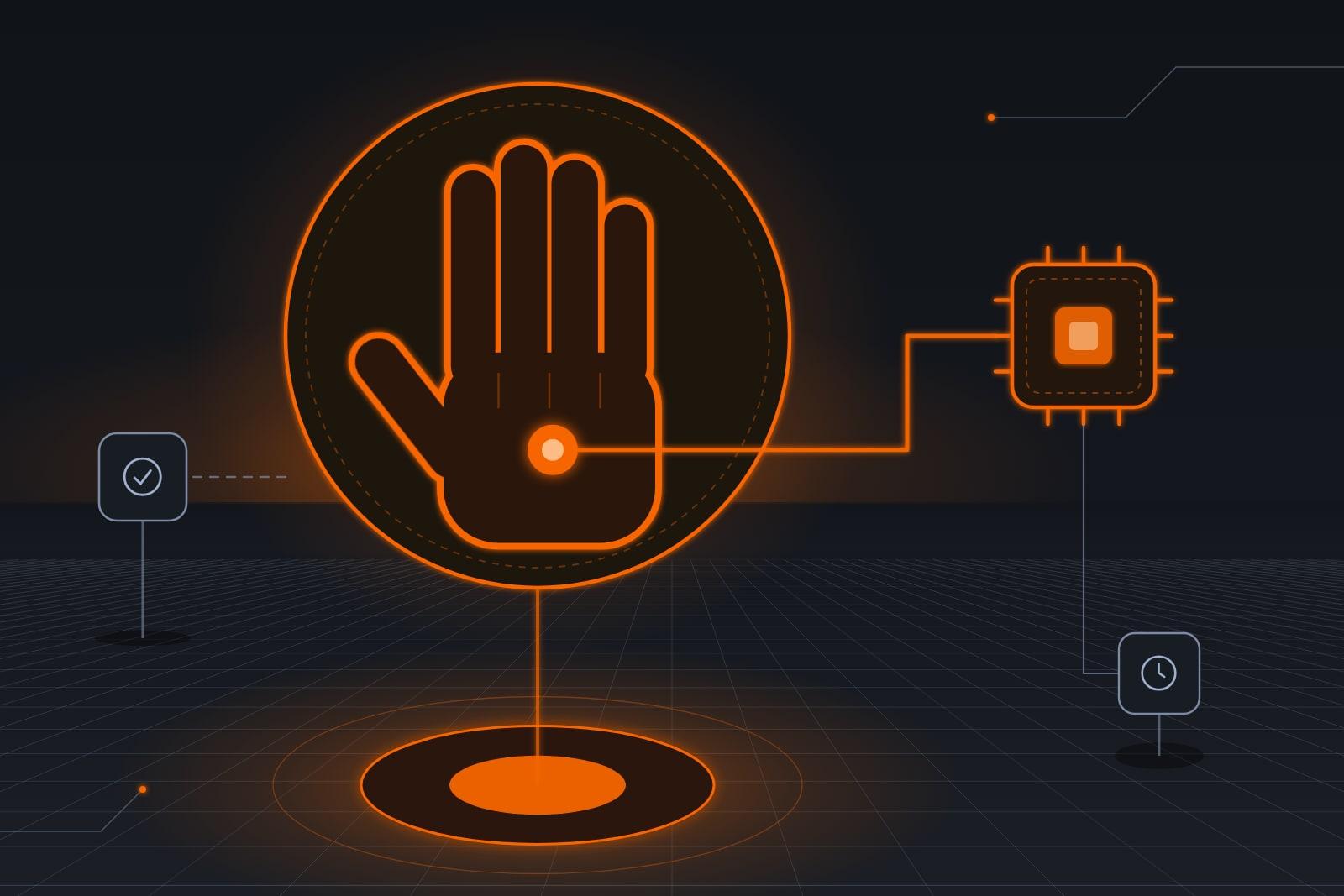
Human approval for AI agents means the riskiest actions wait for a named person before they run. Our Human Approval Gate is a software product that holds outside emails, deletes, refunds, permission changes and payments until that person decides.
ScaleAlphaSi writes security software for companies that run AI, and this approval product needs nothing else from us. You subscribe to it, then connect it to the agents and AI tools your team already relies on, whoever built them.
The Human Approval Gate is listed on our Security page, and it runs on its own.
Why do some agent actions need a person?
An outside email cannot be unsent, a deleted file may be gone for good, and money that leaves your account is hard to get back. These steps are final the moment they run. A person checks them first because an agent can be wrong, or an attacker can fool it.
Prompt injection is a common way an agent gets fooled: an attacker hides orders in an email, file or web page it reads. What Is Prompt Injection in AI? Attacks and Defenses explains the trick.
NIST calls one form of it agent hijacking, and its tests showed that the harm from a successful attack varies widely. As NIST's write-up of those tests (opens in a new tab) puts it: “Some injection tasks may also pose disproportionate risk.”
For an owner, that is the case for rating each held action by risk. A fooled agent that sends a harmless email is a nuisance, while one that sends client files or money out is a real loss.
The tests ran on one AI model in simulated settings, so the risks in your own business will look different.
NIST's request for information on AI agent security (opens in a new tab) lists approvals for consequential actions among the human oversight controls it asks about. The Human Approval Gate packages that control as a product.
What does the Human Approval Gate do?
The product stops a high-risk action before it runs and holds it in an approval queue for the person you named. That person sees what the agent wants to do, why it wants to, and how risky the move is. Then they approve or decline it, and nothing happens until they do.
Each held action arrives with four things:
- The action itself. The exact email, file list, refund, access change or payment, written out in full.
- The reason. The message, record or job that led the agent there.
- Who it touches. The customer, vendor, employee or account on the other end.
- A risk rating. A plain label for how much harm the step could do if it were wrong.
An approved action runs exactly as shown. A declined one never runs, and the agent carries on with the rest of its work.
Keeping a full record of agent activity is a separate product, covered in Audit Trail for AI Agents: See Every Action and Risk.
What do you need to run the product?
Running the Human Approval Gate takes AI agents or AI tools that act in your systems, such as sending email or paying bills. It also takes a person who owns the held list and answers the queue. Before you subscribe, we check how the product connects to the tools you use.
- An owner for the rules. One person decides what goes on the held list and who approves each kind.
- Approvers with a backup. Each held kind needs a named approver, plus a second person ready when the first is out.
Which actions need human approval for AI agents?
Outside emails, deletes, refunds, permission changes and payments are the kinds the product is built to hold. Routine work inside your written rules, such as a meeting confirmation, keeps running on its own. Before you switch it on, we write the held list with you and name who decides each kind.
The table shows common tasks and what the product does with each.
| Task | Agent | What happens | Who decides |
|---|---|---|---|
| Confirm a booked meeting time | Booking agent | Runs on its own, inside your rules | No one, unless it falls outside them |
| Email client files to an outside address | Inbox agent | Held and rated high risk | The person you name |
| Delete duplicate files from a shared folder | Inbox agent | Held for review | The person you name |
| Refund a double charge | Books agent | Held and rated high risk | The owner plus a second person |
| Pay a vendor bill | Books agent | Held for review | A named person, with a second one above your limit |
| Change a vendor's bank details | Books agent | Held and rated high risk | The owner plus a second person |
| Give a new hire access to shared folders | Staff tool | Held for review | The person you name |
| Sort a bank entry into your accounts | Books agent | Runs on its own and is logged | A person, if it does not match |
Refunds and bank-detail changes take two people for a reason. NIST's glossary entry on separation of duty (opens in a new tab) describes the principle that no single user should hold enough privileges to misuse a system alone.

Which agent jobs need it most?
Agents that can move money need it most, such as one that keeps the books and issues refunds. Agents whose checklists change who can open your systems come next, then agents that send email or delete files. Agents that only draft work for a person to send need it least.
Not sure which steps should wait? Request a call. We will list your agents' actions with you, whoever built them, and show where the product would hold them.
How does a business start with it?
A business starts by listing what its agents and AI tools can do, whoever built them. Together we mark which actions wait, name an approver plus a backup for each, connect the product and let you practice on sample tasks. After launch, your rule owner decides every change.
That written list matches NIST's AI Risk Management Framework core (opens in a new tab), which calls for processes for human oversight that are defined, assessed and documented.
What will the approval step not catch?
The approval step only sees the actions on your held list, so a mistake in routine work still needs your normal checks. It also cannot make a rushed approver read closely. Spotting planted instructions is the job of a separate product, explained in AI Agent Guardrails: A Runtime Layer That Checks Each Action.
No single control stops every attack. NIST's release on attacks that manipulate AI (opens in a new tab) says no foolproof method yet exists for protecting AI from misdirection.
So pair the product with narrow access, giving each agent only the permissions its job needs. A fooled agent with little access can do little harm.
Approval fatigue is the other limit. When every small step waits, people start clicking yes without reading, so we help you keep the held list short.
A bookkeeping firm's held queue
Example: a bookkeeping firm's Tuesday
Ottoline runs a bookkeeping firm for local shops and restaurants. She connects the Human Approval Gate to a bookkeeping agent, an inbox agent and a staff checklist tool.
On Tuesday, her queue holds a refund. A client paid the monthly fee twice, and the bookkeeping agent prepared a refund rated high risk. Ottoline approves, and her office manager adds the second approval.
Next, a message that seemed to come from a client asked for bank statements to go to a new accountant. The held reply shows the requester's address, one letter off from the client's real one. Ottoline declines.
Last, the checklist tool asks to open the shared client folders to a new hire, and Ottoline approves. Routine bookkeeping kept running the whole time.
Frequently asked questions
Who can approve a held action?
Any person you name can approve a held action, such as the owner, an office manager or a bookkeeper. Each kind of action gets a named approver plus a backup, and your rule owner can change who approves.
What happens if nobody answers a held action?
A held action that nobody answers simply waits. It never runs because time passed, and it never approves itself. Naming a backup for each kind of action keeps the queue moving when the main approver is out.
Will it hold actions from the agents we already run?
Yes. The Human Approval Gate is its own software product, so it can hold actions from the agents and AI tools you already run, whoever built them.
We do not claim it connects to every tool. On a call, we check how it would connect to yours before you subscribe.
Does the approval step slow the agent down?
The approval step adds a wait only to held actions. Routine work keeps moving inside your rules, while held items sit until your approver reads them. How long that takes depends on your approver.
Next step
Request a call and bring a list of what your agents and AI tools do in a normal week. We will show you the Human Approval Gate on your own setup and mark which actions should wait.
Our standards
- The examples in our guides are illustrations, not customer stories.
- Your AI runs on private and on-premise models, not public AI tools. Nothing you give us is used to train AI models.
- Agents are built so each action is logged in a record that shows any later edit.
- Texts go only to people who gave you permission, and every message says how to stop.
- If anyone may be hurt or in danger, the only instruction an agent gives is to call 911.
- Depending on the investment package you choose, you get either the right to use the software we build for you or full ownership of it.
- We work from the Kansas City metro and meet owners face to face or by video call.
- Same team. Same jobs. More capacity.
About the ScaleAlphaSi team
ScaleAlphaSi is a Kansas City AI advisory firm specializing in Advanced Marketing and AI Engineering. Our team drives demand through SEO, AEO, GEO and paid ads management. Once that demand arrives, we build specialized AI agents to scale operations for profitability. Each guide draws on engagements with owners and operations teams, covering where to start, where people stay in charge and how to scale one workflow at a time.
Meet the Team